Women's Health
We promote maternal health, ensure sexual and reproductive health and rights, strengthen responses to women’s health conditions, and prevent and respond to violence against women.
We work with partners to generate evidence, co-design solutions, and to advocate for women’s health globally. We have extensive experience and expertise in relation to promoting maternal health, ensuring sexual and reproductive health and rights, strengthening responses to women’s health conditions, and preventing and responding to violence against women.
We are a WHO Collaborating Centre for Women’s Health, supporting the World Health Organization’s efforts to improve the health of women and girls in the Western Pacific region in particular. We apply our diverse methodological expertise to initiatives ranging from large, multi-country research programs to strengthen women’s healthcare services, through to community-based interventions focused on prevention and health promotion in Australia.
Our work
-
Analysing Safety and Place in Immigrant and Refugee Experience
Migrant and refugee women’s experience of family violence in Australia.
-
Multicultural and Settlement Services for Women Experiencing Violence
Supporting women and children experiencing family violence.
-
Faith communities supporting healthy family relationships
Faith communities play an important role in many Victorians’ lives. Faith leaders provide guidance and support to member of their communities, and many provide invaluable support to women experiencing violence.
-
Listening for Change
Preventing family violence against women from refugee backgrounds.
-
Strengthening Joined-up Responses to Violence Against Women and Children in Timor-Leste
Nossal Institute’s Australia Awards Fellowships Round 20 program aims to deepen participants’ understanding of how to build effective, inclusive systems to address violence against women and children.
-
World Health Organization Collaborating Centre on Women's Health
WHO Collaborating Centre since 1993
-
kNOwVAWdata: Measuring Violence against Women in the Asia Pacific
Using data to better address violence against women
-
Sexual and gender-based violence in the refugee crisis
A four country study on Sexual and Gender-based Violence (SGBV) against Syrian and Iraqi Refugees
-
W-DARE
Sexual and reproductive health of women with disability in the Philippines.
-
More than the sum of my parts
Understanding intersectionality through the eyes of women with disability
-
STARS: Standing Together Against Racism in Sport
A participatory action research project aiming to co- design, and evaluate an anti-racism intervention
-
Structural Barriers to Accessing Response Services for Gender-Based Violence Survivors
Global estimates indicate that less than 40% of women and girls experiencing GBV will seek help of any kind, with far fewer survivors making formal reports.
-
FAIR - Family violence affecting children from immigrant & refugee backgrounds
This program of research aims to provide the evidence needed to strengthen service system responses to family violence affecting children from immigrant and refugee backgrounds.
-
Migrant and refugee experiences of Men’s Behaviour Change Programs
Understanding the experiences, challenges and value of intervention programs for migrant and refugee men who use domestic, family and sexual violence.
-
Early detection and treatment of postpartum haemorrhage: The E-MOTIVE project
Postpartum haemorrhage (PPH) is the leading cause of maternal death, accounting for 27% of maternal deaths worldwide. Delays in the detection or initiating treatment of postpartum haemorrhage can result in complications or death.
-
AIM-Gender: Accelerating Innovation for Mothers
The goal of the AIM project is to define and implement pathways for accelerating development and introduction of innovative products for pregnancy-specific conditions through global partnerships.
-
Giving Mums a Fair Go: culturally-responsive maternity care for refugee and migrant women in Australia
Compared to Australian-born women, refugee and migrant women in Australia have worse birth experiences, seek maternity care services later and less often, and have greater risks of poor health.
-
Technology-facilitated gender-based violence
This qualitative research project aims to fill a knowledge gap for governments and service providers in Asia by increase understanding of TF GBV across the region.
-
PEARLS
Preventing pre-eclampsia: Evaluating AspiRin Low-dose regimens following risk Screening.
-
Sharing WISDOM
The Sharing WISDOM project will develop collective understanding of what success means for integration of multicultural community services in a coordinated family violence response, and establish key principles for a successful, coordinated response to family violence that is inclusive of multicultural community services.
-
Refugee Youth Wellbeing
Understanding social determinants of mental health for young people from refugee backgrounds to improve mental health. This project focuses on wellbeing for young people from refugee backgrounds, and their families.
-
Abortion Self-Management as Health System Innovation
Exploring the feasibility of integrating a self-managed medication abortion model in Australia
-
Settling Well
Settling well in regional Australia: Experiences of people from refugee backgrounds.
-
Family Health House Evaluation
The FHH Model provides essential Reproductive maternal, newborn, child, and adolescent health services in hard-to-reach areas of Afghanistan.
-
Evaluation: Nurse Colposcopy Training Model Pilot, Victoria, Australia
The Nossal Institute will conduct an evaluation of this pilot program to explore effectiveness and suitability of the Model
-
Regional Roadmap for EMTCT 2022-2030
Mother-to-child transmission (MTCT) of HIV, syphilis, and hepatitis B is preventable, yet it continues to cause avoidable deaths and disabilities among mothers and newborns.
-
Violence Against Women and Girls: Understanding the Indonesian health system response
Women affected by violence are increasingly seeking medical care and assistance through the health system. The increased burden of care on the health system has not yet been measured.
-
Collaborative curriculum development for cervical cancer patient education in Indonesia
This project involves co-development and piloting of a patient education module for Indonesian patients with a diagnosis of cervical cancer, providing a crucial resource for health professionals, filling a critical information gap, and enhancing patients’ right to quality health care.
Our impact
Meet our Women's Health experts
-
Dr Shazra Abbas
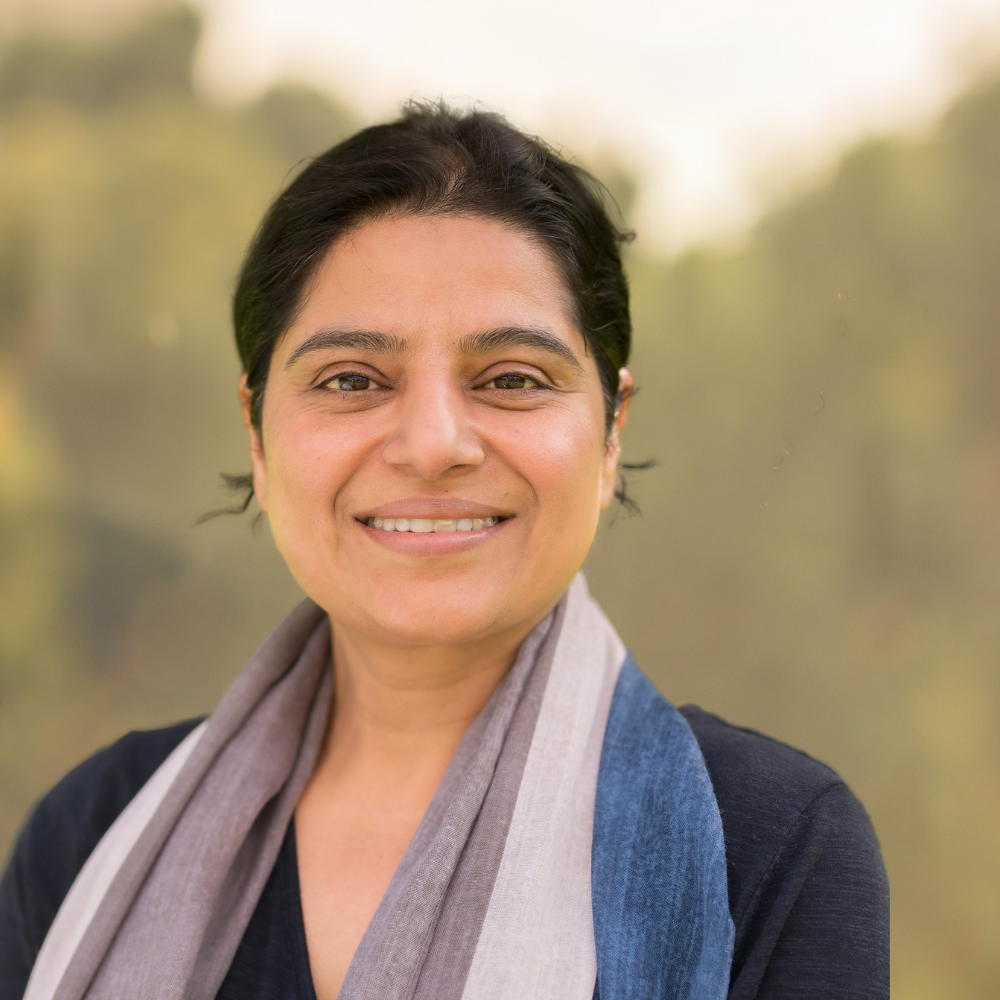
Senior Technical Advisor
Research Focus: Maternal & newborn health; Communicable & non-communicable disease control; Health systems -
Professor Linda Rae Bennett

Research Focus: Sexual and Reproductive Health and Rights; Cervical Cancer Prevention and Care; Gender Based Violence and Intersectionality
-
Sarah Bergman

Research Assistant
Research Focus: Gender-based violence; Gender inclusion; Sexual & reproductive health -
Associate Professor Karen Block

Migration and Health, Head
Research Focus: Migrant & refugee health; Health equity & inclusion; Gender -
Professor Meghan Bohren

Gender and Women’s Health, Head
Research Focus: Maternal health; Women's health; Sexual & reproductive health rights -
Dr Lauren Carpenter (parental leave)

Research Fellow
Research Focus: Behaviour change; Gender Inclusion; Migrant and Refugee Health -
Martha Vazquez Corona
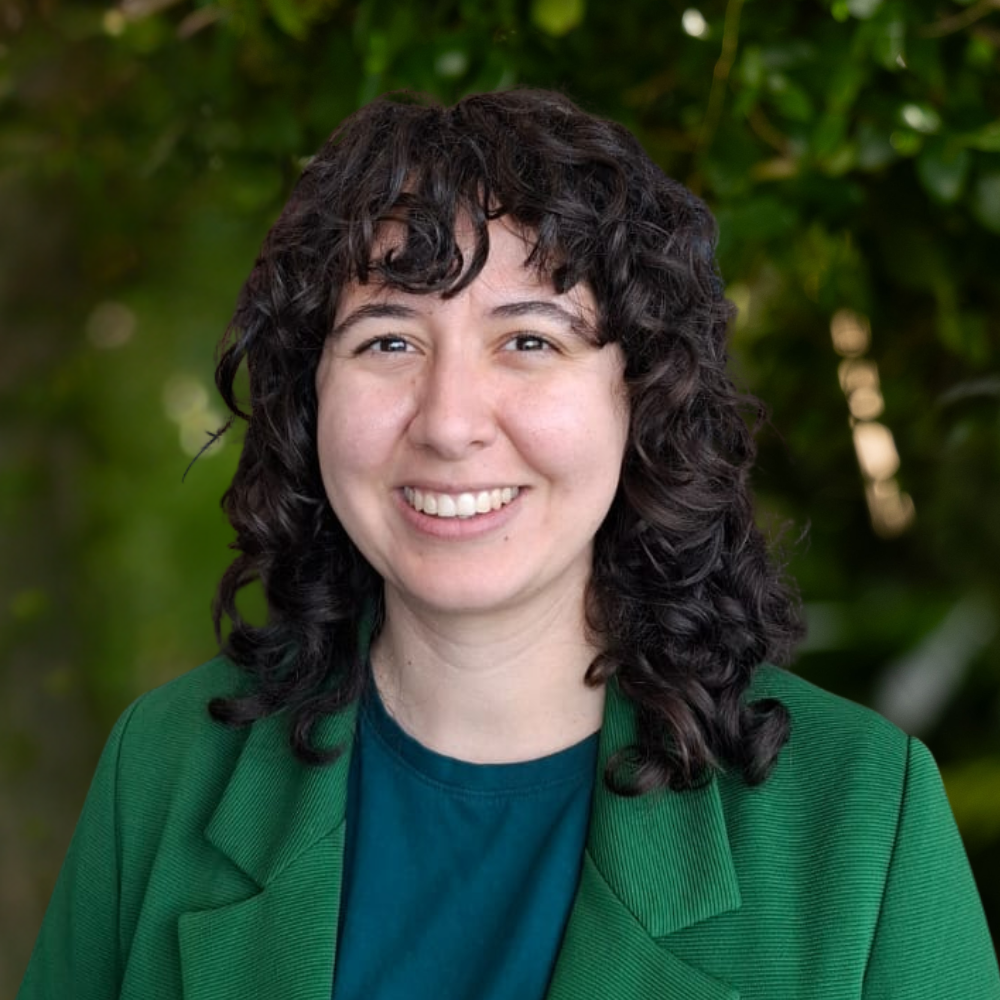
Research Assistant
Research Focus: Health equity & inclusion; Maternal health; Sexual & reproductive health & rights -
Dr Eliza Crosbie

Research Assistant
Research Focus: Migration; Refugee settlement; Gender -
Alya Hazfiarini

Research Assistant
Research Focus: Maternal health; Health equity & inclusion; Sexual & reproductive health rights -
Kenneth Juma

Research Fellow
Research Focus: Maternal & child health -
Dr Nuruzzaman Khan

Research Fellow
Research Focus: Aboriginal community health; Adolescent health; Behaviour change Child health -
Jess Kirwan

Research Assistant
Research Focus: Gender-based violence; Gender inclusion; Health equity & inclusion -
Min-Hui Law

Technical Advisor
Research Focus: Governance; Gender Equality & Social Inclusion; Sexual and Reproductive Health & Rights -
Dr Meg Lee

Research Assistant
Research Focus: Youth participatory research, Migration, settlement & wellbeing; Health equity & inclusion -
Dr Nicole Minckas

Research Fellow
Research Focus: Maternal & neonatal health; Health equity & inclusion; Sexual & reproductive health -
Vinh Nguyen

Research Fellow
Research Focus: Health system responsiveness, Women’s health, Disability -
Dr Thiago Melo Santos

Research Fellow
Research Focus: Child health; Health equity & inclusion, Water Sanitation & Hygiene (WASH) -
Dr Mridula Shankar

Research Fellow
Research Focus: Gender; Health equity & inclusion; Maternal health, -
Sarah Simpson

Senior Technical Advisor
Research Focus: Equity & inclusion; Gender; Health systems -
Mary Stathopoulos

Research Assistant
Research Focus: Gender; Gender-based violence; Service delivery -
Gemma Tarpey-Brown

Research Assistant
Research Focus: Migrant & refugee health; Gender-based violence; Gender inclusion -
Dr Brigitte Tenni

Equitable Systems for Health, Co-head
Research Focus: Access to medicines; HIV/Sexual reproductive health & rights; Global health governance -
Professor Cathy Vaughan

Director
Research Focus: Violence against women, Gender and health, Health equity -
Dr Franka Vaughan

Research Fellow
Research Focus: Anti-racism, colonialism, migration & international development -
Dr Juan-Pablo (JP) Villanueva-Cabezas

Honorary Research Fellow, Infectious Diseases
Research Focus: Pandemic Preparedness & Response; Zoonoses; One Health -
Dana Young

Research Fellow
Research Focus: Gender; Health equity & inclusion; Migrant & refugee health; -
Rana Islamiah Zahroh

Research Fellow
Research Focus: Health equity & inclusion; Maternal health; Sexual & reproductive health