Meet our Graduate Researchers
Graduate Researchers produce high-impact research to address inequities, improve health outcomes and strengthen systems.
The Institute has a unique focus on applied health strengthening research, teaching and advisory work.
Our multidisciplinary researchers, work with partners in the Asia and Pacific regions developing evidence to inform, influence and implement health systems reforms, strategies and programs. Our research aims to understand the determinants of health and to contribute to health improvement for all populations, locally and globally, especially those who are most disadvantaged. We produce high-impact research to address inequities, improve health outcomes and strengthen systems. Our Senior Research Fellows are available for PhD supervision.
Nossal Institute Graduate Researchers work with our internationally recognised experts in global health to produce high-impact research to address inequities, improve health outcomes and strengthen systems.
More information on undertaking a graduate research degree at the University of Melbourne is available on the Future Students Website.
Meet our current Graduate Researchers
-
Xinhui Wang

The thesis title is being refined, the topic will be Health financing and provider payment.
-
Abiyu Abadi Tareke

The impact of climate change on human health in Kyrgyzstan
-
Belege Siyamregn
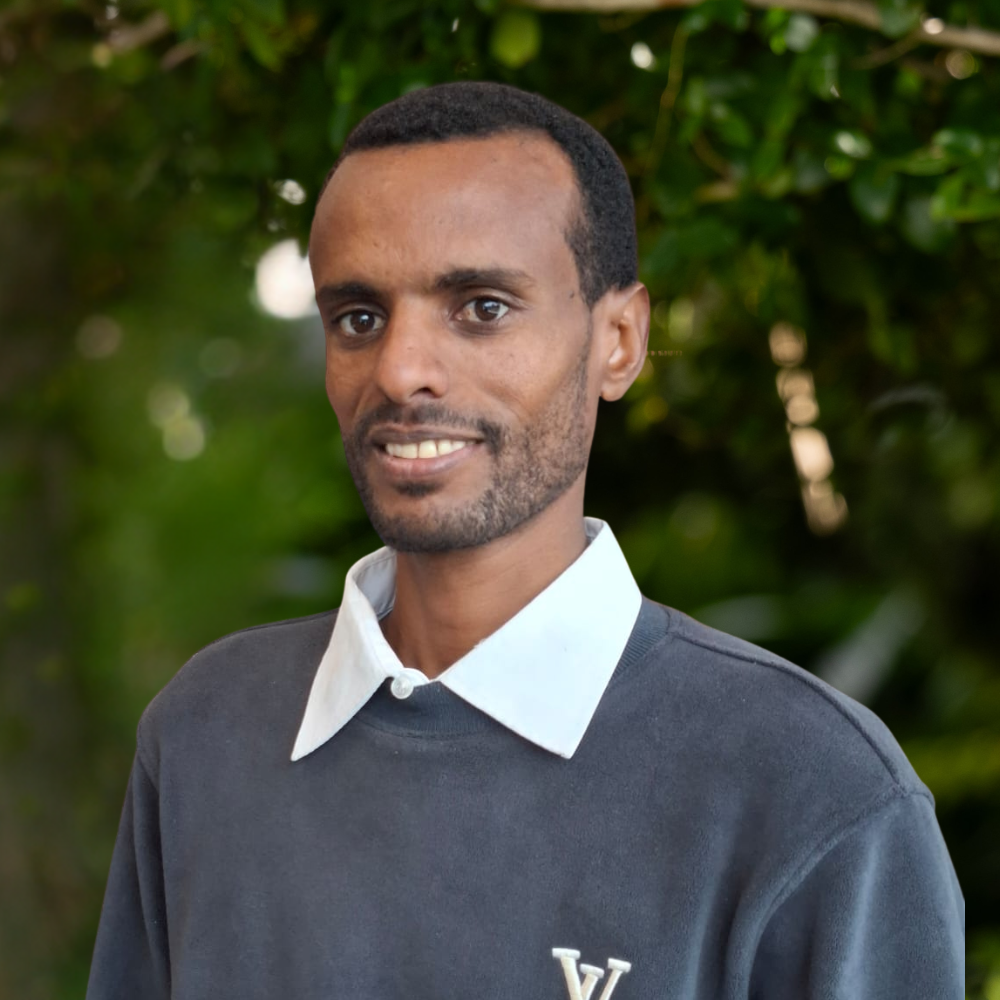
A One Health assessment of the impacts of climate-sensitive zoonoses amongst livestock keeping communities in Kyrgyzstan, Central Asia
-
Kenneth Juma

Assessing the availability and quality of post-abortion care in select sub-Saharan Africa countries
-
Joice Deby Nafi
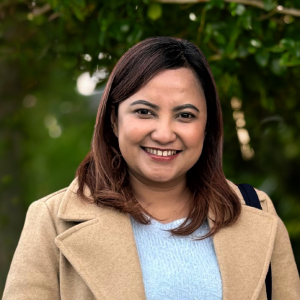
The Role of Health Providers and Facilities in Women's Experiences of Childbirth in Asia Pacific Countries
-
Rami Subhi

Learning from a medical oxygen program to improve emergency care services for children in low-and-middle-income countries
-
Benjamin Ilsley

The experiences & support needs of male caregivers of children with a disability in Australia.
-
Eleanor Johnson

Partnering the community to co-design comprehensive abortion care in Melbourne’s North.
-
Pritania Astari

Young Mothers' Access to and Navigation of Health and Social Services While Situated on the Street of Yogyakarta, Indonesia
-
Kris Li

Strengthening Mortality Measurement and Chronic Disease Prevention in Australia: Leveraging Big Datasets for Improved Evidence
-
Gemma Tarpey-Brown

Women’s experiences of temporary labour migration between Australia and Pacific Island countries and Timor Leste
-
Katherine Eddy

Preventing pre-eclampsia: exploring economic and implementation barriers to effective maternity care
-
Sanjana Santosh

Living with Major Illnesses in Urban India
-
Sandra Olivia Frans
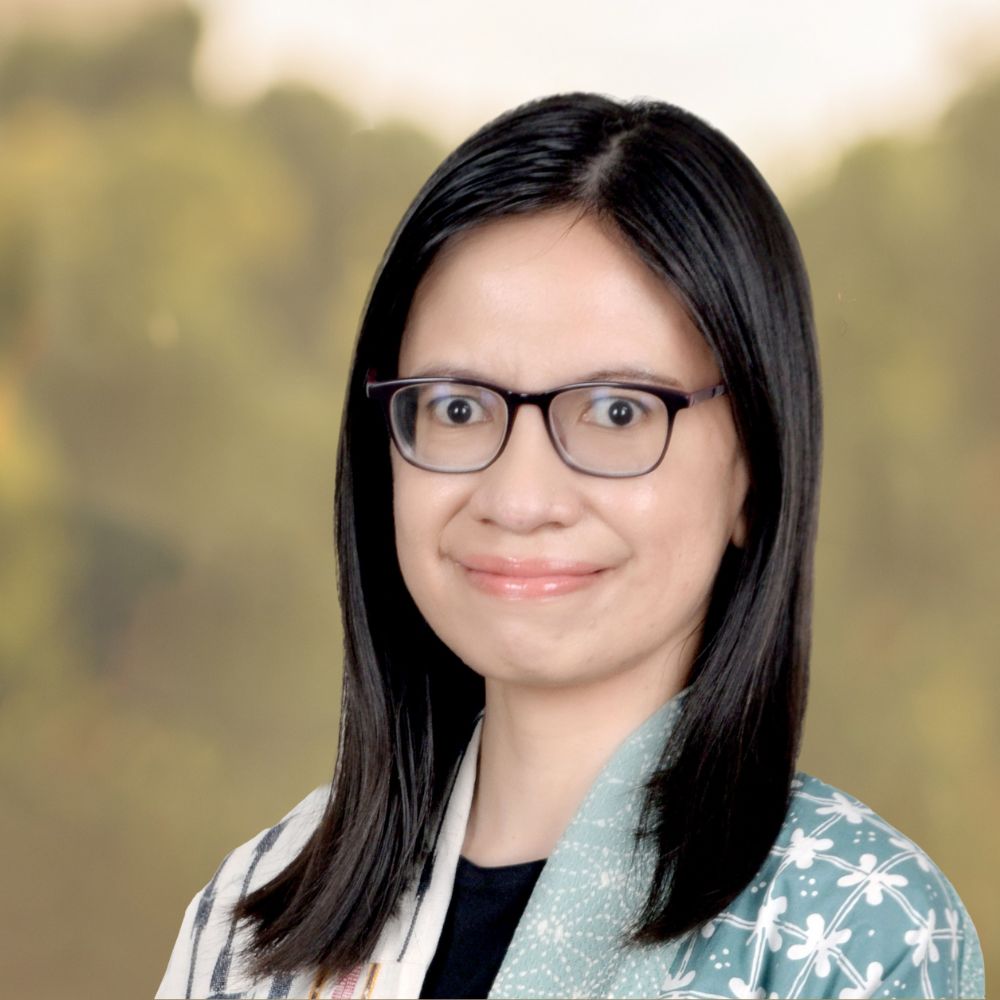
Integrating Cervical Cancer Prevention to the Family Planning Program in East Nusa Tenggara Timur (NTT), Indonesia
-
Jack Ganbaatar

LGBTQI+ health disparities in Mongolia
-
Alya Hazfiarini
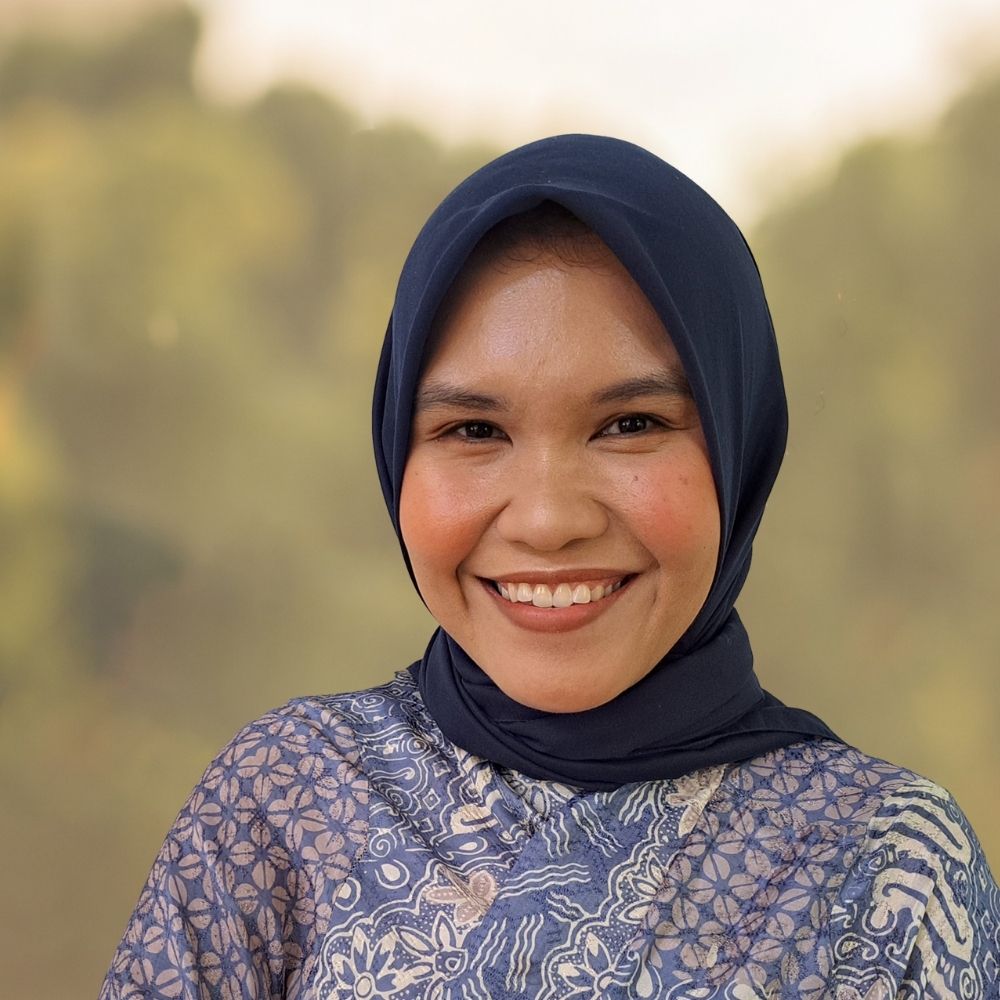
Adolescent pregnancy in Indonesia: Understanding maternity care use and quality.
-
Dana Young

Sports participation and social capital development for migrant women and adolescent girls
-
Warwick Padgham

How do health justice programs in Indigenous community-controlled health organisations give effect to Indigenous self-determination?
-
Ebony Johanna Verbunt

Improving the management of women experiencing anaemia in pregnancy: A case-study of Bangladesh
-
Daniel Roitman

How do health systems change during periods of rapid economic growth?
-
Salsawi Debela
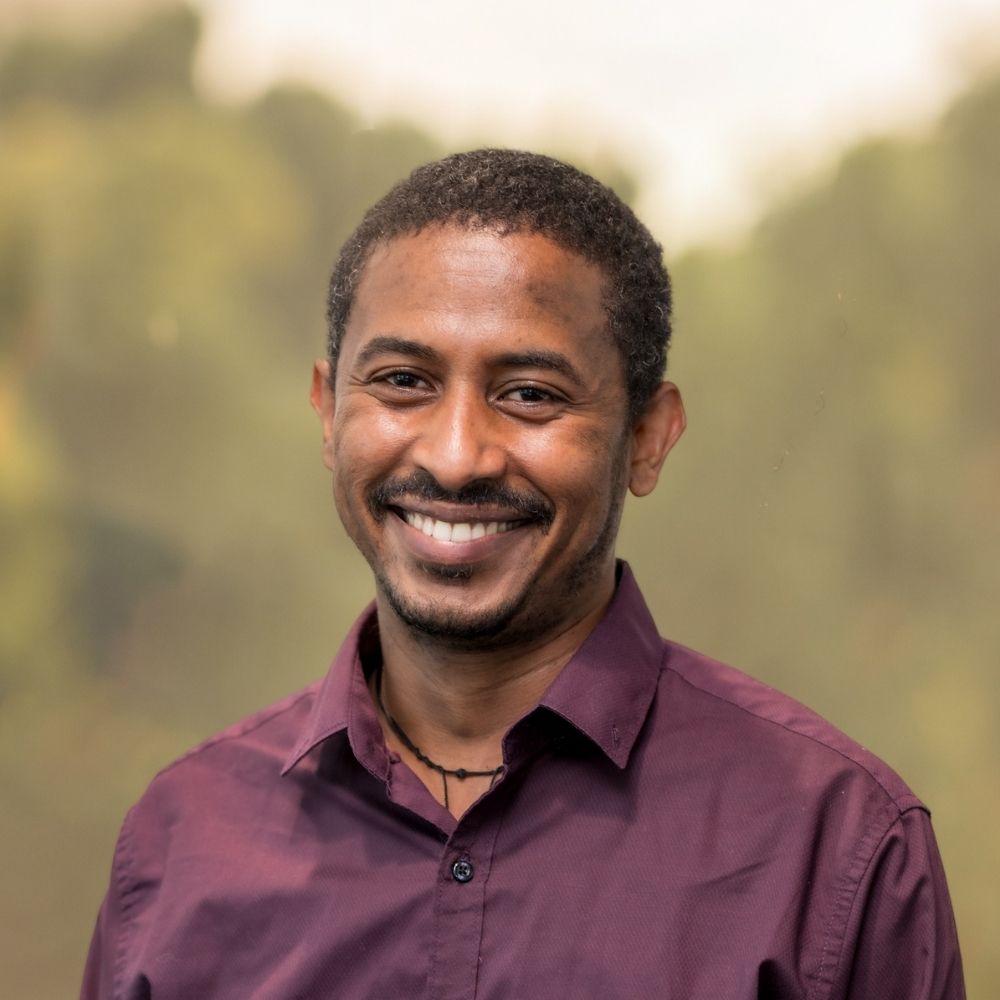
Exploring the wellbeing of humanitarian migrants in regional Australia.
-
Claire Sullivan

Legal responses to family violence: experiences of refugee and migrant women in Victoria
-
Amanda Blair

Exploring the current state of Australia’s postnatal care guidelines and quality of care measures.
-
Pratyasha Acharya

Public health insurance and long-term healthcare funding: Efficacy of Indian public health insurance programs.
-
Champamunny Ven
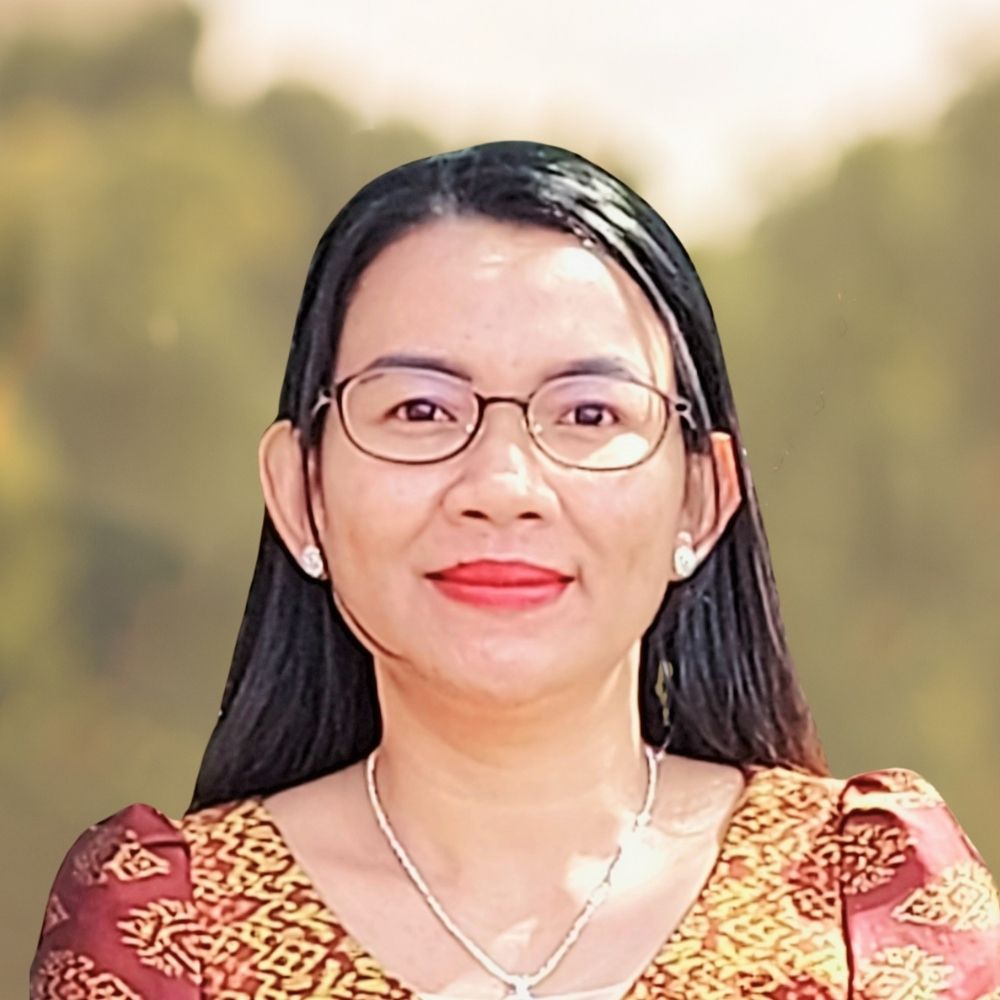
An exploration of what Cambodian midwives need to provide disability-inclusive maternity care
-
Xiaoying Zhu

The Role of Health Insurance in Shaping Health-Seeking Decisions and Its Effects on Health Expenditure in China
-
Prarthna Dayal

Understanding the response of public hospitals to reform initiatives in India: A Case study of the Pradhan Mantri Jan Arogya Yojana.
-
Xuemei Zhang

Is the health burden of NCDs shifting from rich to poor in China: implications for health policy and clinical practice?
-
Siân Slade

To understand the mechanisms enabling patients to navigate healthcare.
-
Setiyani Dewi

The introduction and upscaling of an HPV vaccination program for early adolescent Indonesian girls.
Previous research
2024 Completions
-
Constructs of Indigeneity have been the locus of settler colonial interest and control since colonisation in Australia. Through historical policies of displacement, and contemporary normative processes that question the authenticity and belonging of Aboriginal and Torres Strait Islander people, urban places continue to be sites of erasure and non-belonging. However, cities will always be Aboriginal land, and places of cultural resurgence, renewal and regeneration. Internationally, a growing body of literature investigates experiences of First Nations young people in urban places, but in Australia this is lacking.
This thesis explores how Aboriginal and Torres Strait Islander young urban people in Narrm (Melbourne) practise and connect to their Indigeneity, as they come into relation with place, community, and their engagement with institutional regimes.
Supervisors
- Professor Richard Chenhall
- Professor Catherine Vaughan
- Professor Shaun Ewen
-
Health systems responsiveness is the “health system’s ability to meet the population’s legitimate expectations”. Despite growing recognition of the importance of responsiveness in recent years, several theoretical and empirical gaps remain. Theoretically, there is limited explicit engagement with and understanding of what corresponds to a legitimate expectation of care. Moreover, current analytical frameworks of responsiveness and resultant empirical work do not yet sufficiently consider the broader contextual conditions which define what people expect from their health systems. Such a consideration is particularly important given the political, economic, and health system transitions and changes experienced by low- and middle-income countries (LMICs) in recent decades.
Supervisors
Professor Sumit Kane
Professor Rosemary McKenzie
Advisory Committee Chair: A/Professor Meghan Bohren -

Thesis title
Identity and resilience among Hazara and Afghan adolescents and young adults following childhood experiences of forced migration
Description of PhD Project
In Afghanistan, prolonged conflicts have for decades forced individuals to flee. Globally, the number of forcibly displaced people rose substantially to 108.4 million in 2022. The return of the Taliban government in Afghanistan in 2021 led to a large increase in the number of people fleeing the country. Australia is among the high-income countries hosting Afghans from a refugee background. The large number of resettled children and adolescents from Afghanistan in Australia increases the need to understand how they can be supported to build resilience after the adverse experiences of the refugee journey.n the past two decades, researchers have focused on factors promoting resilience in young people from a refugee background.
Supervisors
Associate Professor Karen Block
Biography
Farnaz Shahimi is an Iranian Psychologist with a particular focus on working with marginalised populations and survivors of trauma.
Farnaz worked with families and adolescents in private practice in Iran. She served as a psychosocial counsellor for Afghan and Iraqi refugees at the United Nations High Commissioner for Refugees (UNHCR) in Iran. In her UNHCR role Farnaz, implemented individual therapy sessions with survivors of sexual and gender-based violence (SGBV). She designed and implemented psychosocial community-based projects to prevent and respond to SGBV among the refugee community in Iran. Farnaz is a Counsellor Advocate – Adults and Family at the Victorian Foundation of Survivors of Torture – Foundation House.
As a Forcibly Displaced People Network's Advisory Committee member, she provides professional advice and expertise to support intersectional advocacy for queer and trans-identified individuals who have experienced forced migration to Australia.
Farnaz has a Bachelor's and Master's degree in Clinical Psychology from Shiraz University, Iran and a Master of Science degree in Psychology, University of Wollongong.
Funding/scholarships
Melbourne Research Scholarship
Population Health Investing in Research Students’ Training (PHIRST)
Follow Farnaz's work



-
The engagement of men is essential to improving the sexual and reproductive health and rights for everyone. Effective male engagement includes increasing the availability and uptake of male family planning methods (vasectomy, male condoms and some natural family planning). The Democratic Republic of Timor-Leste (Timor-Leste) has some of the most critical sexual and reproductive health challenges in the Asia-Pacific region, including low uptake of male family planning methods.
Supervisors
- Dr Meghan Bohren
- Dr Cathy Vaughan
- Dr Rui de Araújo
-
Evidence suggests that migrant women in high-income countries experience poorer maternal health outcomes and more negative childbirth experiences than non-migrant women. A lack of culturally-responsive care may be a contributing factor. A possible solution may be through community-based doulas providing continuous support to migrant women throughout their pregnancy, labour and birth and postnatal experiences.
Supervisors
2023 Completions
-
Women and girl safe space interventions are increasingly being implemented by multilateral agencies and, international and local non-governmental organisations (NGOs) in areas affected by forced displacement, disaster, and conflict interventions. Women and girl safe space interventions employ gender-segregated space and collective-based strategies in the pursuit of women’s empowerment. There is little research supporting the effectiveness of women and girl safe spaces in empowering women. Much of the existing research uses quantitative methods, and sheds little light on what actually happens in women and girl safe spaces, or the nature of women’s experiences participating in them.
-
This thesis explains the role and meaning of alcohol consumption among young people in Jayapura and Sentani, two sites in Papua, a resource-rich Indonesian province on New Guinea Island. In describing the youths’ experience with alcohol, this study critically engages with previous studies focusing on alcohol globally as well as with theories from health and anthropological studies specific to Papua. Based on 24 months of fieldwork conducted with young people from Jayapura and Sentani, I investigate the youths’ drinking patterns, the benefits and costs of their alcohol use and how the social, cultural and political contexts in which they live interact with their drinking practices. This includes examining the wider societal expectations by gender that there might be for drinking among young people.
-
Timely and quality mortality data provide important evidence to inform health policy and monitor the progress of local and national development goals. In Nepal, a civil registration and vital statistics (CRVS) system has operated for several decades. However, the system’s focus has been on legal and administrative aspects and no vital statistics have been produced from its data. Censuses and surveys collect mortality data, but they focus on early age mortality while adult mortality data suffer from quality and completeness issues. There is hence limited information about mortality in Nepal and reliance on model-based estimates provided by the Global Burden of Disease (GBD) Study and the United Nations (UN). This thesis aims to fill this knowledge gap in Nepal by assessing the completeness and quality of national mortality data sources, estimating the key national and subnational mortality indicators, assessing differentials in death registration completeness by socio-economic, demographic, and geographical characteristics and identifying the main barriers and enablers for death registration.
2022 Completions
-
Quality care improves maternal and newborn health outcomes. Quality maternal and newborn care refers to the provision of evidence-based and respectful care to women and newborns by experienced and competent healthcare providers in a well-equipped and supportive environment. There is a need to prioritise improving the quality of maternal and newborn care globally, especially in low- and middle-income countries, such as Papua New Guinea, where women and newborns experience high rates of morbidity and mortality during pregnancy, childbirth and the postpartum period
Follow Dr Wilson's Work

2021 Completions
-
Although Bangladesh has achieved significant progress in health in the past decades, excess morbidity and mortality persist. Informal providers are widespread; they remain the primary source of health care for many Bangladeshi, despite an inadequate knowledge base to provide care that meets the minimum quality standard of a modern health service. Profit-making orientation often prompts them to deliver unnecessary or even harmful care. On the other hand, the public health sector is perceived to be of low quality, hindering people from using this formal sector.
-
Cardiometabolic diseases are the leading causes of deaths globally. Although effective strategies for managing these chronic conditions have been proposed as clinical guidelines and action plans, the translation of evidence into practice is challenging. With the advancement of information and communication technologies (ICTs), digital health and mobile health (mHealth) technologies are increasingly applied to healthcare purposes and hold promise for the promotion of disease management and the strengthening of the healthcare system.
Follow Dr Gong's work
-
Over the last two decades, adolescent pregnancy in the Philippines has been increasing. From a global health standpoint, there is considerable agreement that adolescent pregnancy poses risks to the health and wellbeing of a young mother and her child. Addressing adolescent pregnancy remains a public health priority in the Philippines.
Follow Dr Habito's work
-
Urbanization presents new health and development challenges and opportunities for low and middle-income countries (LMICs). Effective strategies for reaching the urban poor and addressing urban determinants of health and inequities are needed. While community health workers (CHWs) are commonly employed in rural LMIC settings to reach the underserved, there has been little examination of the role of CHWs in urban settings.
Follow Dr Ludwick's work:
-
Drug-Resistant tuberculosis (DR-TB) is a complex form of TB that develops when the causative bacteria (Mycobacterium tuberculosis) become resistant to anti-TB drugs used for the treatment of primary TB. A rise in DR-TB reflects a weak health system's response to primary TB. Pakistan is ranked fifth for primary TB and fourth for DR-TB incidence in the world.
Follow Dr Abbas' work:
-
The Mental Health First Aid (MHFA) training program is an evidence-based health intervention, which focuses on teaching members of the public how to provide mental health first aid, i.e., the help offered to a person developing a mental health problem, experiencing a worsening of an existing mental health problem or in a mental health crisis, until appropriate professional help is received or until the crisis resolves.
Follow Dr Lu's work:
2020 Completions
-
Non-Communicable Diseases (NCDs) are the leading cause of death and morbidity throughout the world, with the greatest burden in low- and middle-income countries (LMICs). Of the estimated 17.9 million CVD deaths in 2016, more than 10 million occurred in LMIC countries. Coronary heart disease and stroke were the two major causes contributing to these deaths.
Follow Dr Rarau's Work
-
Obesity has attained pandemic proportions globally, including in many South Asian countries. The spectrum of obesity in the Indian setting may vary from apparently thin looking individuals with normal weight obesity (NWO) to those at the far end of the spectrum with morbid obesity. However, several knowledge gaps have been identified regarding the utility of clinical and genetic indicators of obesity, across this spectrum, in this unique population.
Follow Dr Marthias' work
-
Despite the increased emphasis placed on people-centred mental health care in low- and middle-income countries (LMICs), until this study, there has been no systematic investigation of the paradigm outside Western high-income country settings. Timor-Leste, a lower middle-income country in South-East Asia, is in the process of strengthening its national mental health system to align with people-centred approaches to mental health care.
Follow Dr Hall's Work
-
Obesity has attained pandemic proportions globally, including in many South Asian countries. The spectrum of obesity in the Indian setting may vary from apparently thin looking individuals with normal weight obesity (NWO) to those at the far end of the spectrum with morbid obesity. However, several knowledge gaps have been identified regarding the utility of clinical and genetic indicators of obesity, across this spectrum, in this unique population.
Follow Dr Kapoor's work
-
The mistreatment of women during facility-based childbirth is a violation of women’s human rights that jeopardises their right to a safe, satisfying, and positive childbirth experience. In addition, such mistreatment is a significant deterrent to the utilisation of skilled birth services. In Ethiopia in 2019, 52.5% of women gave birth outside a health institution. There is compelling evidence that the level of mistreatment of women in the country is very high and women prefer home birth in part due to experienced or perceived mistreatment.
Follow Dr Asefa's Work
2019 Completions
-
The rapidly rising burden of non-communicable diseases (NCDs) in China affects the demand for healthcare services among households and threatens to create an increased financial burden on households, at a time when economic growth has been slowing down and traditional forms of inter-generational support are in decline. However, the design of effective policies to address household impacts of NCDs in China is hindered by a lack of high-quality work on the economic roots of NCDs, the impact of NCDs on households and economic gains that might result from policy action to address NCDs.
Follow Dr Pan's Work
-
Water, sanitation and hygiene (WASH) are important for health and wellbeing. In Timor-Leste, the rates of access to WASH are some of the lowest in the world, particularly in remote areas. The national government’s response to improving sanitation in remote areas is a community-based approach called ‘PAKSI’ (Planu Aksaun Komunidade, Saneamentu no Ijiene) which is also implemented by non-governmental organisations.
-
In address the burden of non-communicable diseases (NCDs) and achieve the universal health coverage, China officially launched the New Health System Reform in 2009. This thesis investigated trends and socioeconomic inequalities in the healthcare utilisation and financial protection among patients with NCDs in China, using two nationally representative datasets
Follow Dr Yang's work
-
Epidemiological evidence suggests that Bacillus Calmette-Guerin (BCG) vaccine exerts non-specific (heterologous) effects in infants; decreasing neonatal mortality in high-mortality settings and preventing allergy and morbidity from infection in developed countries. New tuberculosis (TB) vaccines could potentially lack these beneficial effects. Immune mechanisms underlying the non-specific effects of BCG vaccine have been linked to ‘trained immunity’ or innate immune memory.
Follow Dr Freyne's Work
-
The number of people with type 2 diabetes is increasing rapidly, particularly in low- and middle-income countries (LMICs). High and increasing prevalence of type 2 diabetes contributes to increased morbidity and mortality due to its complications, most importantly, cardiovascular diseases (CVD). Therefore, preventing type 2 diabetes is a high priority.
Follow Dr Lotfaliany Abrand Abadi's Work
-
Disability disaggregation of education management information systems (EMIS) is vital to inform policies and resourcing for disability-inclusive education and evaluate progress towards targets. The approach to disaggregation must use a valid and reliable method for identifying children with disabilities.ovascular diseases (CVD). Therefore, preventing type 2 diabetes is a high priority.
Follow Dr Spunt's Work
-
In recent decades, the prevalence of cardiovascular diseases (CVDs) around the world has been increasing, and researchers have paid more attention to understand the epidemiology of CVDs to provide reference for healthcare professionals and policy makers. China is one of the countries where rapid development of economy occurs accompanied by changes in people’s socioeconomic status and lifestyle, and is also facing the challenge of increasing burden of CVDs.
Follow Dr Zhang's Work
2015 - 2018 Completions
-
This thesis explores youth sexuality, sexual risk and sexual resilience among young iTaukei women attending university in Fiji. An adapted ecological model is developed to enable the theorisation of sexual risk and sexual resilience in these women’s lives.
Follow Dr Mitchell's Work
-
Ageing of the Australian population affects the residential aged care system, yet the structure and dynamics of the system remain uncertain. A comprehensive model of residential care based on the individual perspective of residential aged care events is missing. Thus, older Australians, government and care providers have only a limited model of aged care actions
Follow Dr Jukic's Work
-
Rheumatic heart disease (RHD) is a major cause of global morbidity and mortality, particularly affecting children and young adults in resource-limited settings. Most individuals are diagnosed at an advanced stage of disease, limiting opportunities for prevention. Population-based screening has the potential to detect individuals in an earlier, latent stage of disease, where secondary prevention may be most effective.
Follow Dr Engleman's Work
-
Despite an intense national discussion in India during 2010 – 2012, progress towards universal health coverage (UHC) has stalled. Coverage of the entire population is still a challenge, especially effective coverage of the poor. Through the mechanism of microfinance-based self-help groups (SHGs), poor women and their families are provided not only with access to finance in a way that is understood to improve livelihoods, but also in many cases with a range of basic health services.
Follow Dr Saha's Work
-
Since 1997 the United Nations process indicators for the provision of essential obstetric care (EOC) have guided health planners aiming to ensure women receive timely quality delivery care from skilled birth attendants (SBAs). In Nepal, where difficult geography and an under-resourced health system contribute to poor health care access, the Government has scaled up the number of trained SBAs, posting them in newly constructed birthing centres attached to peripheral health facilities, made available to women 24 hours a day.
Follow Dr Morgan's Work
-
Hospitals are resource intensive with detrimental environmental effects. This thesis explored hospital environmental resource use and resultant waste production in the operating room and intensive care unit. It examined safely reducing the use of equipment; compared reusable versus single use items and their resultant life cycles of carbon, water etc; and explored the effects of recycling.
Follow Dr McGain's Work
-
For Indonesian women and men from all social strata, the milestones of heterosexual marriage and parenthood are not only symbolic of the transition to adulthood, but also represent the path to an idealised, normative future, otherwise known as the ‘happily ever after’.
Follow Dr Spagnoletti's Work
-
Decentralized provision of HIV care continuum – from diagnosis to chronic antiretroviral treatment (ART) – at primary health care facilities (PHCFs) is a critical step towards realizing optimal care coverage in national programs of lower- and middle-income countries (LMICs). Whether such a model of provision is justified depends on considerations of effectiveness, program costs, and cost-effectiveness.
Follow Dr Rahadi's Work
-
Decentralized provision of HIV care continuum – from diagnosis to chronic antiretroviral treatment (ART) – at primary health care facilities (PHCFs) is a critical step towards realizing optimal care coverage in national programs of lower- and middle-income countries (LMICs). Whether such a model of provision is justified depends on considerations of effectiveness, program costs, and cost-effectiveness.
Follow Dr Aziz's Work