Equity and Inclusion
We generate evidence and provide technical expertise to ensure those most marginalised equitably participate in, and benefit from, global health and development processes.
We work with governments, multi-lateral agencies, civil society and communities to realise global commitments to equity and inclusion.
Our work on equity and inclusion is underpinned by our expertise on disability, rehabilitation and assistive technology; gender equity and gender analysis; early childhood development; care and support system strengthening; migration and health; and generating and using equity data.
We use co-designed and strengths-based approaches to work with socially, culturally and racially marginalised groups and individuals to deliver contextually relevant equity and inclusion solutions.
Our work
-
Humanitarian Disability Needs Estimation and Screening Tool
The Humanitarian Disability Needs Estimation and Screening Tool (HD-NEST) project set out to develop a tool for identifying people with disability and support needs during the critical early response phase of a sudden onset disaster.
-
Preventing suicide in India by improving media reporting of suicide
Pioneering research on media reporting of suicides in India.
-
rapid Assistive Technology Assessment: Training and implementation
This project will support WHO Assistive Technology (AT) team in the global data collection
-
Learning, Acting and Building for Rehabilitation in Health Systems - ReLAB-HS
ReLAB-HS aims to support development of health systems that are responsive to the growing need for physical rehabilitation.
-
The Disability Inclusive Health Services Toolkit
This Toolkit will provide practical guidance on how to identify and address barriers to health services experienced by people with different types of disability, so that everyone can access and benefit equally from these services
-
Finding the gaps in Australian Government funding support for SWAN children
Our researchers worked with SWAN Australia to understand the gaps in funding support for children with Syndromes Without A Name.
-
Designing disability-inclusive virtual healthcare
Nossal researchers will work with The George Institute for Global Health India to produce a model of care to address health and rehabilitation needs of people with disability in India.
-
Preparing Actionable Data for Inclusive Shelter - PADIS Phase 2
PADIS Phase 2 will build organisational capacity on use of disability data in humanitarian shelter response in Asia. This will be via a collaborative and guided design process with country shelter cluster and organisation of persons with disabilities (OPD) representatives.
-
Impact of Age-Inclusion Specialists
Humanitarian programs frequently use a blanket approach that does not respond to the differential needs of older people. The research will explore the tangible impacts of dedicated Age-Inclusive Specialists.
-
Pacific Disability Statistics Guidebook
This project will facilitate effective collection and analysis of quality disability data that can be used to promote evidence-based policymaking that enhances the inclusion and well-being of persons with disabilities in Pacific Island countries and territories.
-
Partnerships for a Healthy Region Initiative
Building resilience and health security in Asia and the Pacific through gender equality, disability and social inclusion and improving water, sanitation and hygiene.
-
Digital Storytelling for Evidence-informed Advocacy
Evidence-informed advocacy harnesses the power of narratives to effectively communicate research findings, evoke empathy, and inspire action. Storytelling bridges the gap between data and people, driving meaningful change through compelling stories.
-
Australia-Indonesia Partnership for Pro-Poor Policy—The Knowledge Sector Initiative (KSI)
Improving the lives of the Indonesian people through better quality public policies that make better use of research evidence.
-
Improving child development outcomes: the role of WASH
Looking at the role of sanitation hygiene and environmental cleanliness in improving child development outcomes.
-
Protecting Non-COVID Essential Health Services-Indonesia
The aim of this project is to understand the effectiveness of efforts to curtail the impact of the COVID-19 pandemic and associated public health measures on the utilization of non-COVID essential health services in Indonesia.
-
Strengthening Joined-up Responses to Violence Against Women and Children in Timor-Leste
Nossal Institute’s Australia Awards Fellowships Round 20 program aims to deepen participants’ understanding of how to build effective, inclusive systems to address violence against women and children.
-
Family Health House Evaluation
The FHH Model provides essential Reproductive maternal, newborn, child, and adolescent health services in hard-to-reach areas of Afghanistan.
-
STARS: Standing Together Against Racism in Sport
A participatory action research project aiming to co- design, and evaluate an anti-racism intervention
-
Health seeking behaviour in four Indian States
We propose to provide an understanding of health seeking behaviour in two States with low levels of health system development:
-
Analysing Safety and Place in Immigrant and Refugee Experience
Migrant and refugee women’s experience of family violence in Australia.
-
Violence Against Women and Girls: Understanding the Indonesian health system response
Women affected by violence are increasingly seeking medical care and assistance through the health system. The increased burden of care on the health system has not yet been measured.
-
Responsive health systems
This program of work involves critical explorations of the concept of ‘health systems responsiveness’ and each of the eight proposed elements of responsiveness
-
Listening for Change
Preventing family violence against women from refugee backgrounds.
-
Settling Well
Settling well in regional Australia: Experiences of people from refugee backgrounds.
-
Refugee Youth Wellbeing
Understanding social determinants of mental health for young people from refugee backgrounds to improve mental health. This project focuses on wellbeing for young people from refugee backgrounds, and their families.
-
Migrant and refugee experiences of Men’s Behaviour Change Programs
Understanding the experiences, challenges and value of intervention programs for migrant and refugee men who use domestic, family and sexual violence.
-
Faith communities supporting healthy family relationships
Faith communities play an important role in many Victorians’ lives. Faith leaders provide guidance and support to member of their communities, and many provide invaluable support to women experiencing violence.
-
Sexual and gender-based violence in the refugee crisis
A four country study on Sexual and Gender-based Violence (SGBV) against Syrian and Iraqi Refugees
-
Enhancing Gender Equality and Social Inclusion Results in Infrastructure in South Asia
We are providing technical advice and strategic support to Asian Development Bank’s South Asia Department (SARD) GESI Team to enhance the integration of gender equality and social inclusion in program design and implementation.
-
Early Childhood Intervention in Fiji
Exploring current practices and gaps for early identification for children with, or at risk of, disability.
-
A Framework for Understanding Disability Support Systems in the Pacific
Disability support services assist people with disability to live with independence, dignity and equal opportunity. In the Pacific, families provide most day-to-day support but there is limited understanding of what broader systems of support for people with disability exist or are needed
Our impact
-
Humanitarian Disability Needs Estimation Screening Tool
-
Supporting Health System Strengthening in Afghanistan
-
Costs of Children with Disabilities in the Philippines
-
Family violence affecting children and young people from migrant & refugee backgrounds
-
Count Me In: A sports participation intervention for refugee and migrant background young people
Meet our Equity and Inclusion experts
-
Nicole Bishop
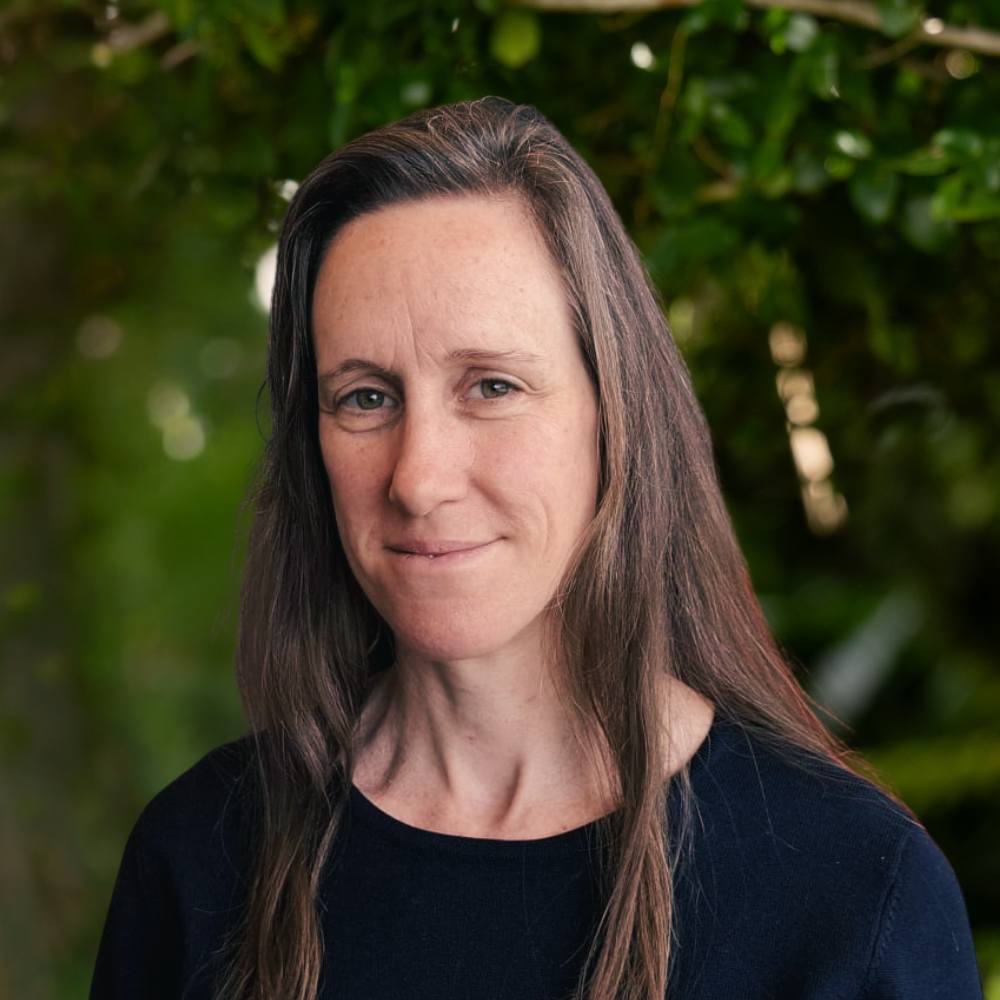
Research Assistant
Research Focus: Community health; Disability; Professional networking -
Associate Professor Karen Block

Migration and Health, Head
Research Focus: Migrant & refugee health; Health equity & inclusion; Gender -
Dr Lauren Carpenter (parental leave)

Research Fellow
Research Focus: Behaviour change; Gender Inclusion; Migrant and Refugee Health -
Dr Rachel Coghlan

Senior Technical Advisor
Research Focus: Narrative inquiry in health and social care; Ageing, disability, rehabilitation and palliative care; Humanitarian health practice, research and advocacy -
Sonja Firth

Technical Associate
Research Focus: Health systems; Non-communicable diseases; Monitoring & evaluation -
Professor Nathan Grills

Research Focus: Digital health; Disability Inclusion; Health Equity and Inclusion
-
Min-Hui Law

Technical Advisor
Research Focus: Governance; Gender Equality & Social Inclusion; Sexual and Reproductive Health & Rights -
Dr Meg Lee

Research Assistant
Research Focus: Youth participatory research, Migration, settlement & wellbeing; Health equity & inclusion -
Dr Noor Shah Kamawal

Senior Technical Advisor
Research Focus: Health Program; Health Systems; Health Policy -
Professor Sumit Kane

Social & Economic Determinants of Health, Head
Research Focus: Health systems; Health systems responsiveness; Implementation science -
Dr Nuruzzaman Khan

Research Fellow
Research Focus: Aboriginal community health; Adolescent health; Behaviour change Child health -
Professor Barbara McPake
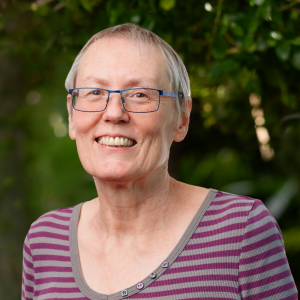
Research Focus: Health financing; Health economics; Health systems
-
Dr Manjula Marella
Senior Research Fellow
Research Focus: Disability Inclusive Development; Disability Data; Health Equity and Inclusion -
Dr Tiara Marthias

Senior Lecturer in Global Health
Research Focus: Maternal health; Child health; Health financing -
Vinh Nguyen

Research Fellow
Research Focus: Health system responsiveness, Women’s health, Disability -
Dr Wesley Pryor

Principal Advisor
Research Focus: Rehabilitation; Assistive Technology; Disability -
Dr Alex Robinson

Disability Inclusion and Rehabilitation, Head
Research Focus: Disability; Development; Disaster risk -
Dr Matthew Reeve

Senior Technical Advisor
Research Focus: Primary health care; Health systems; Maternal health -
Sarah Simpson

Senior Technical Advisor
Research Focus: Equity & inclusion; Gender; Health systems -
Fleur Smith

Senior Technical Advisor
Research Focus: Child health & disability; Early childhood intervention & development; Rehabilitation & allied health -
Clare Strachan

Principal Advisor – Strategic Partnerships
Research Focus: Pandemic prevention, preparedness & response, & health security; Health systems, governance & financing; Communicable & non-communicable disease control -
Dr Daniel Strachan

Equitable Systems for Health, Co-head
Research Focus: Social & behaviour change communication; Health systems; Primary health care -
Dr Brigitte Tenni

Equitable Systems for Health, Co-head
Research Focus: Access to medicines; HIV/Sexual reproductive health & rights; Global health governance -
Gemma Tarpey-Brown

Research Assistant
Research Focus: Migrant & refugee health; Gender-based violence; Gender inclusion -
Professor Cathy Vaughan

Director
Research Focus: Violence against women, Gender and health, Health equity -
Dr Franka Vaughan

Research Fellow
Research Focus: Anti-racism, colonialism, migration & international development -
Dana Young

Research Fellow
Research Focus: Gender; Health equity & inclusion; Migrant & refugee health;