Gender Barriers in Cambodia’s Veterinary Profession
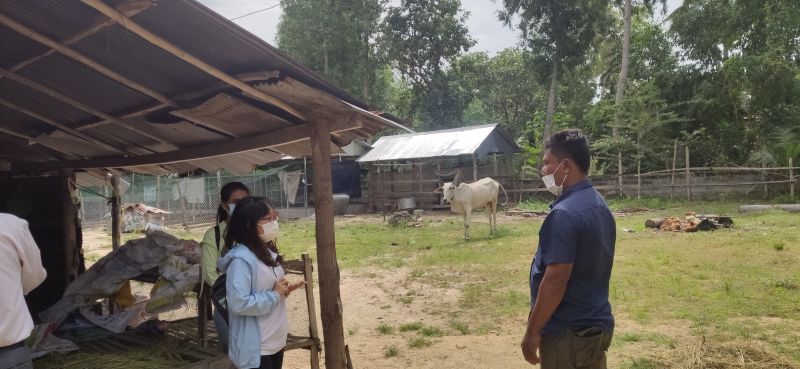
The veterinary profession and veterinary education in Cambodia is changing with more women studying veterinary medicine. However, this profession has deeply engrained gender norms that continue to shape career choices, work specialization preferences, and sectoral employment opportunities of students. Understanding the motivations and challenges of veterinary students is an important step to foster a more inclusive and effective veterinary workforce that strengthens animal health systems and the One Health agenda in Cambodia.
The Nossal Institute worked with Sreytouch Vong, a Cambodian researcher, to investigate these issues as part of her Strengthening Preparedness in the Asia-Pacific Region through Knowledge (SPARK) fellowship. We used focus group discussions and surveys to explore motivations for choosing to study veterinary medicine and career preferences for veterinary medicine students at the Royal University of Agriculture in Phnom Penh. We found significant differences in career preferences between women and men. Female students prefer working in private clinics that treat companion animals in urban areas, while male students prefer working with livestock in rural areas. These preferences may be driven by gender-based barriers identified in this study, including women being perceived as “too small” or physically weak, receiving less trust from farmers because of their gender, and facing safety concerns when working in animal farm in the rural areas.
This study brings attention to the current gendered norms of the veterinary health system in Cambodia, and the associated gender barriers. Challenging the perceived gender norms in the veterinary profession will reduce constraints faced by students, especially female students, in their career choices. Additionally, addressing safety issues that are most restrictive for female veterinarians, for example handling large animals, will improve safety for all the animal health workforce. Creating a veterinary system that is more inclusive will attract more female veterinarians to the profession at a time of increasing concern for animal health and production. Now more than ever, Cambodia needs a string veterinary workforce to address the challenges of food security and zoonotic disease outbreaks, regardless of gender.
Dr Justin McKinley is a Research Fellow at the Nossal Institute for Global Health. He is an economist with a background in agricultural, development, and environmental economics. Justin’s research focuses on One Health Economics.