Advancing Cervical Cancer Patient Education in Indonesia
The Australia-Indonesia Cervical Cancer Patient Education Project (AI-KPPKS) has reached an exciting new milestone in a project to improve health literacy and patient outcomes for women diagnosed with cervical cancer in Indonesia.
The team led by Professor Linda Rae Bennett and Dr Mitha Eka has developed a suite of patient resources to provide patients with accessible, culturally appropriate information. The education materials were developed in close collaboration with Indonesian community-based disability inclusion organisations, including OHANA and SAPDA, whose guidelines on accessible written communication have shaped the design and language of the resources. Our academic partners at the Centre for Reproductive Health at Gadjah Mada University have played a critical role, testing the materials for readability across diverse demographics—ensuring they are understandable to people of different ages, income and literacy levels.
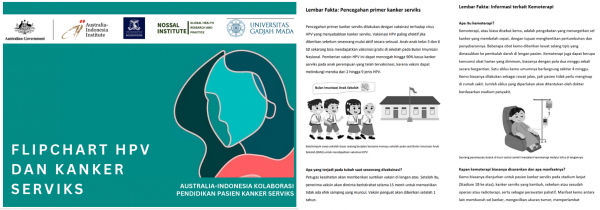
“Our co-design process has highlighted the importance of translating medical terminology and formal written Indonesian into colloquial language” project lead Professor Linda Bennett said. “This approach maximises comprehension and ensures that the materials resonate with patients and their families, regardless of their literacy levels.”
Next, the AI-KPPKS team will apply the Delphi method to reach consensus among clinical collaborators on the utility and effectiveness of the materials. This participatory approach ensures that both educators and patients have a voice in shaping the resources before they are piloted with newly diagnosed cervical cancer patients from November 2025 to April 2026.
This milestone reflects the effectiveness of cross-sectoral collaboration and community engagement in creating inclusive, impactful health education. We look forward to sharing further updates as the project moves into its next phase of clinician training and patient piloting.
Professor Bennett is a global leader in research on Sexual and Reproductive Health and Rights (SRHR) in Indonesia, and her current research includes: Indonesian women's lived experiences of cervical cancer; Indonesia's progress towards primary and secondary prevention of this disease; and understanding the intersectional drivers of health inequity among vulnerable populations in Indonesia.
Learn more about the project Collaborative curriculum development for cervical cancer patient education in Indonesia