Final Presentation and Workshop on PCV Schedule Optimization Held in Fiji
On Monday, 3rd March 2025, Associate Professor Natalie Carvalho and PhD student Mr. Fulgence Niyibitegeka, along with colleagues from the Murdoch Children’s Research Institute (MCRI)—including Professor Fiona Russell (Principal Investigator) and Dr. Eleanor, an infectious disease modeller—travelled to Fiji to deliver the final presentation and workshop training for their project: “Optimising the PCV Schedule in Fiji for Immunisation Policy Decision-Making”, funded by the Australian Department of Foreign Affairs and Trade (DFAT).
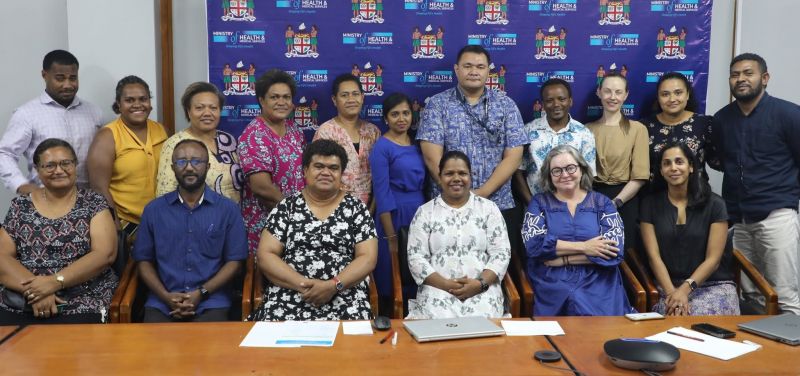
The event was held in partnership with the Ministry of Health of Fiji and brought together stakeholders from various government departments, UNICEF, and other key financial partners to review findings and build capacity for evidence-based immunisation policy.
Morning Session: Project Findings and Policy Dialogue
The morning session opened with Associate Professor Natalie Carvalho providing a succinct recap of the project's health economics components. This was followed by Dr. Laila, a paediatrician leading the costing study on pneumonia and invasive pneumococcal disease, who delivered a compelling presentation of the costing study findings.
Mr. Fulgence Niyibitegeka then presented the cost-effectiveness analysis, offering valuable insights into the economic evaluation of a reduced PCV schedule (1+1 PCV) compared to the current 3+0 PCV schedule within the Fijian context. The session concluded with an open policy discussion, encouraging dialogue around how the project findings could shape future immunization strategies in Fiji.
Afternoon Session: Capacity Building Workshop
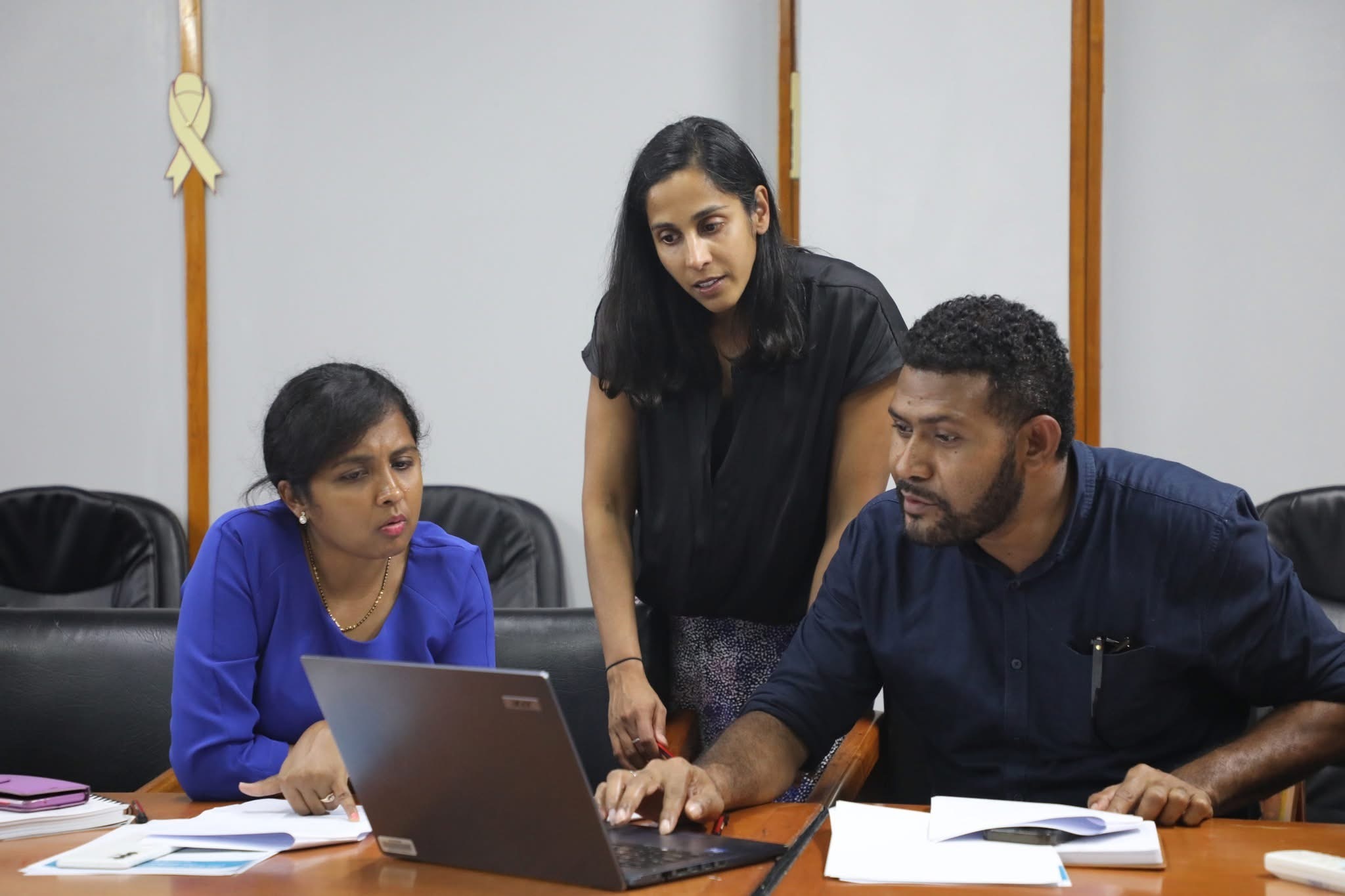
The afternoon focused on strengthening local capacity in health economic evaluation through an interactive and practical workshop. Topics covered included:
- An overview of health economic evaluation and its importance for policymaking.
- Guidance on selecting and constructing economic models to assess cost-effectiveness and budget impact, using a vaccination program as a case study.
- Techniques for interpreting cost-effectiveness results and addressing uncertainty in economic analyses.
This training aimed to equip local health professionals, policymakers, and analysts with the tools and frameworks needed to apply economic evidence in immunisation policy decision-making.