Pathways to Accelerated Cervical Cancer Elimination (PACE) Project
Project Details
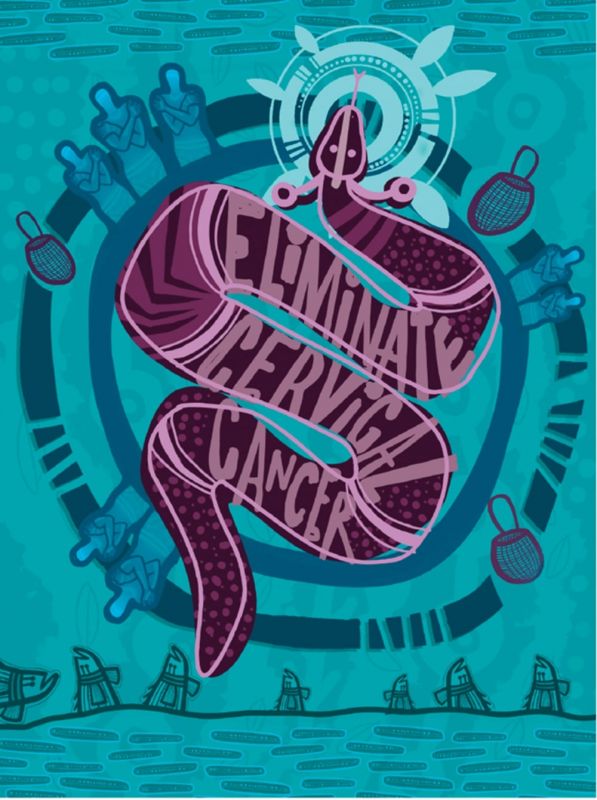
MRFF 2020 Rapid Applied Research Translation. Scaling up infectious disease point-of-care testing for Indigenous people. HPV project. Pathways to Accelerated Cervical Cancer Elimination (PACE) Project
For many people in remote communities, cervical screening specimens must be sent to far away laboratories, and there can be delays in returning screening results to clients and coordinating specialist follow up visits. This often means anxiety waiting for a test result, loss to follow up or avoidance of screening altogether, and delays in the diagnosis and treatment of pre-cancerous lesions and cancers.
Point-of-care testing allows for the specimen to be tested for HPV on-site within the clinic. A test result can be given to the screening participant within 60 minutes and offers a potential solution to improve the experience and effectiveness of cervical screening to Aboriginal and Torres Strait Islander women and people with a cervix.
This study aims to implement point of care HPV testing as part of the National Cervical Screening Program and to understand if it can improve the clinical effectiveness, acceptability, and cost effectiveness of screening for Aboriginal and Torres Strait Islander peoples, particularly those in regional and remote areas of Australia.
Partners
- Australian National University
- Kirby Institute
Researchers
- Prof Julia Brotherton (EIS Lead)
- Prof Rebecca Guy (Overall Grant)
- Prof Lisa Whop (HPV Project)
Funding
This work is funded through a Medical Research Future Fund Rapid Applied Research Translation Grant held by Professor Rebecca Guy at The Kirby Institute, The University of New South Wales.