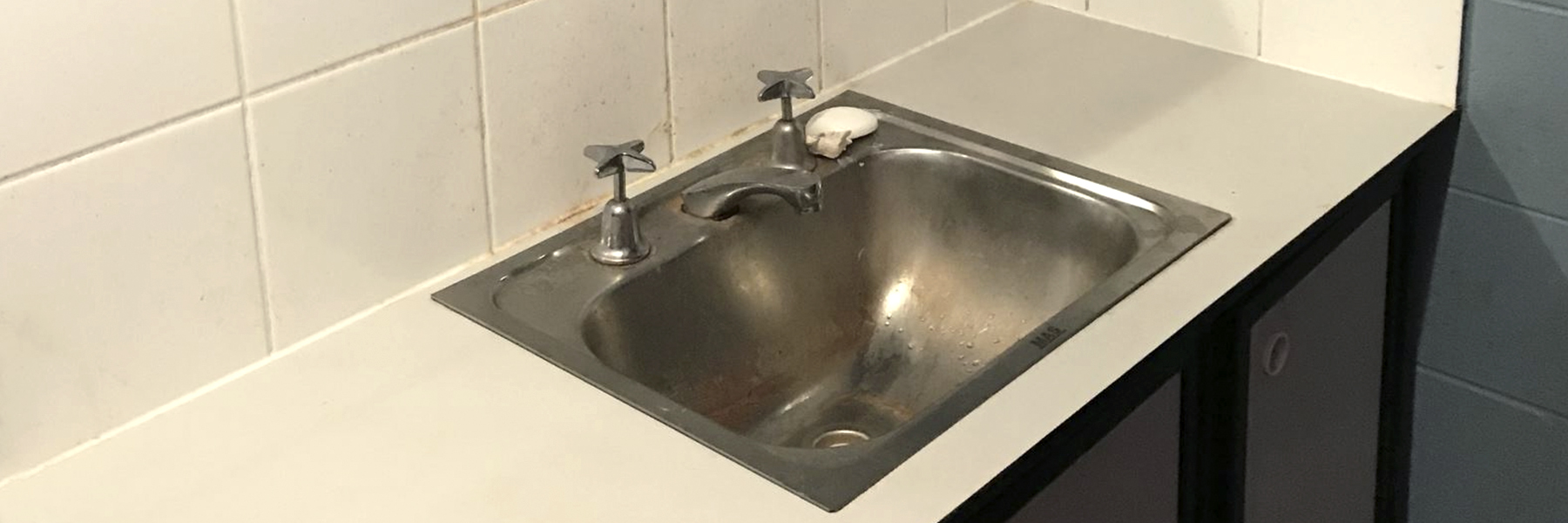
The SAFE Strategy – Environmental Improvements
‘Milpa’s Six Steps to Stop Germs’ is a suite of resources aimed to encourage everyone, particularly kids, to stay healthy and strong and eliminate trachoma and other infectious diseases through following Milpa’s Six Steps to Stop Germs.
Environmental Improvements
International efforts to eliminate trachoma as a blinding disease will be based on the WHO-developed strategy - a combination of interventions known by the acronym "SAFE" which stands for surgery for trichiasis (inturned eyelashes), antibiotics, facial cleanliness and environmental improvement. These interventions will be community-targeted and will seek community involvement through the primary health care approach.
>>(reference WHO website)
Our Work
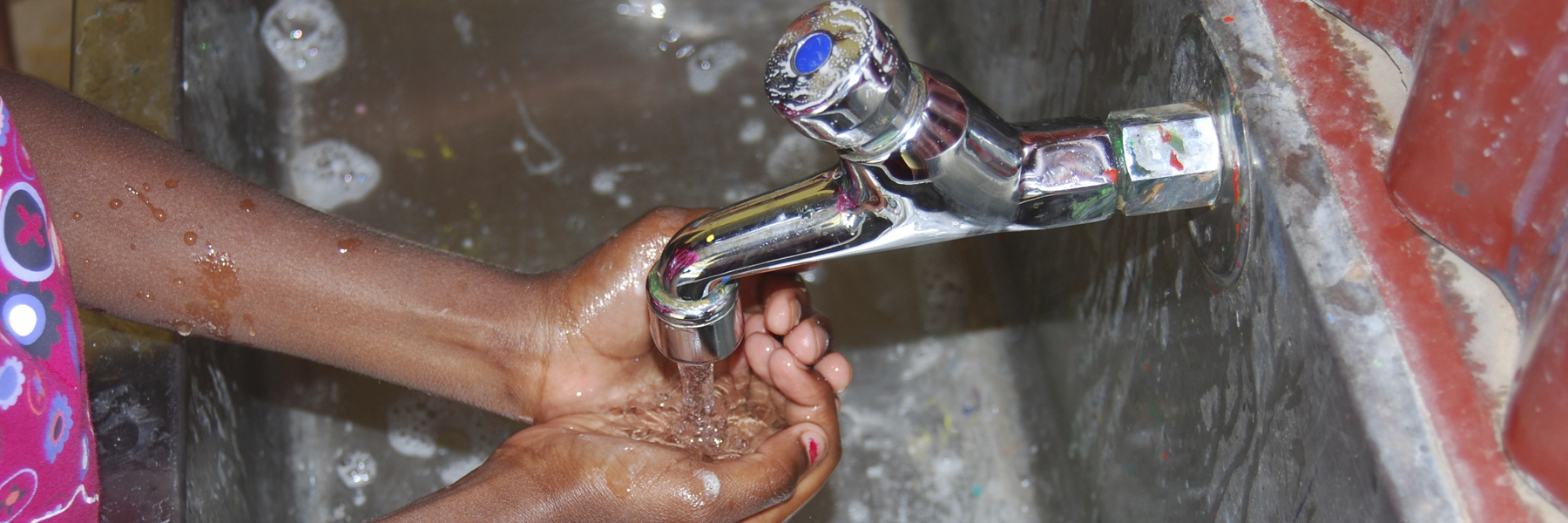
Our work in the area of Environmental Health & Housing focuses on the ‘E’ of the SAFE strategy, which stands for environmental improvements. Our main focus is on the prompt repair and maintenance of bathrooms in communities in remote communities. We do this through a range of advocacy, community capacity strengthening and health promotion activities.
><need to link to new national agreement on closing the gap – reference to housing, reference to early childhood – NW to work on>>
Advocacy
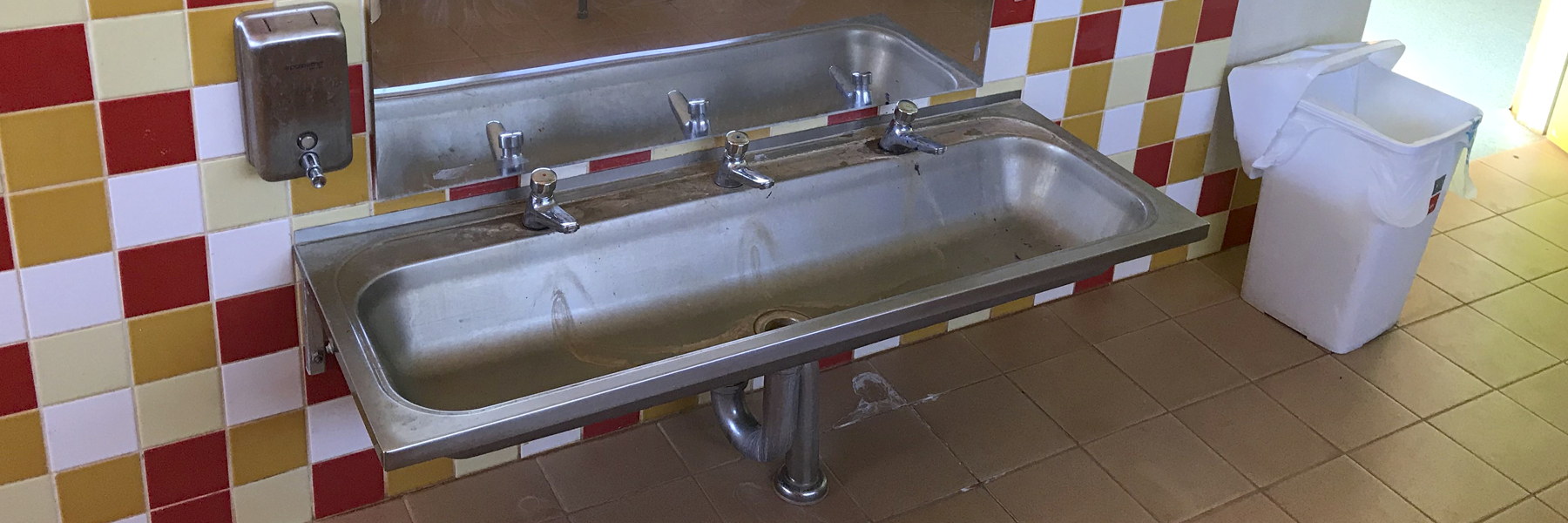
Highlights of our advocacy work in this space include:
- The establishment of Aboriginal Environmental Health Working Groups in the Northern Territory, South Australia and Western Australia. The aim of these groups is to xxx (can you please send me the TORs?)
- Do we want specific info about the NT group?
- Do we want specific info about the SA group?
- Do we want specific info about the WA group?
- Developing a submission for the inquiry into food safety in remote stores. This has led to IEH being invited to (need information about inquiry submission follow-up meetings and next steps)
- Key points from our submission include:
- X
- X
- X
- Key points from our submission include:
Health Promotion
Highlights of our work in this space include:
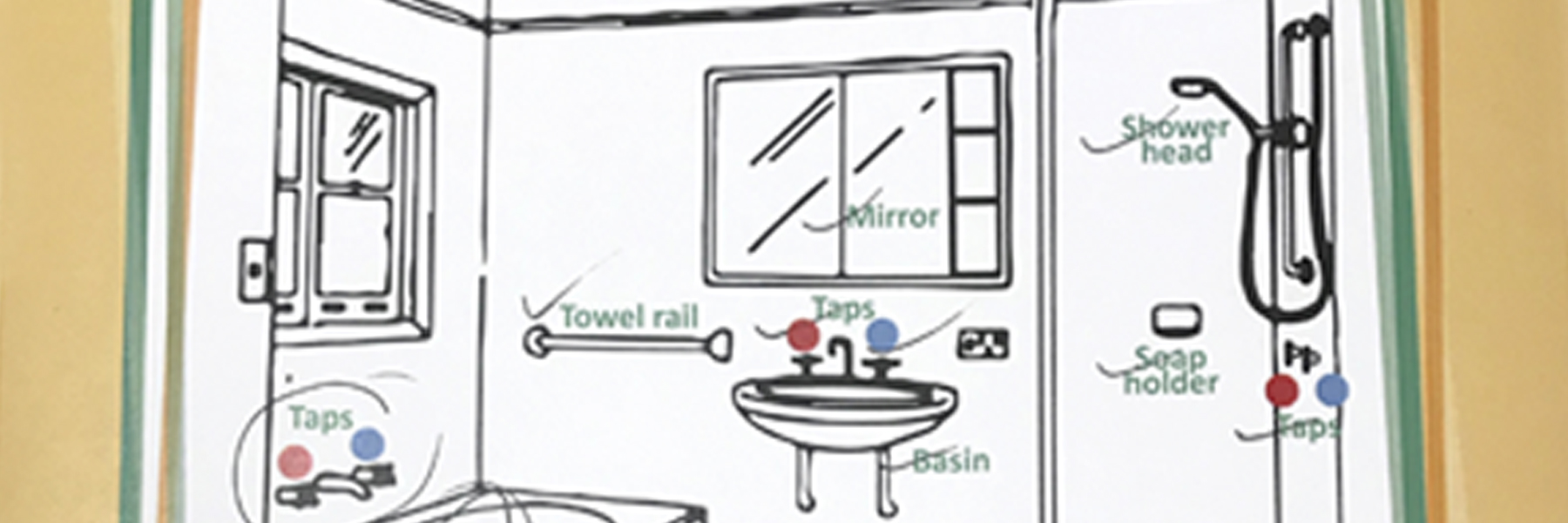
The ‘SAFE Bathroom Checklist’
<image of resource>
In xxxx, IEH coordinated the development of the SAFE Bathroom Checklist with input from key stakeholders x, x and x.
The ‘SAFE Bathroom Checklist’ is a resource that features an illustration of a bathroom and a checklist which allows community members to indicate things in their bathroom that are:
- working by ticking that object in the illustration
- missing by circling that object in the illustration and
- broken by putting a cross against that object in the illustration
<image of checklist that has been filled out>
The SAFE Bathroom Checklist resource has been designed to allow for local adaptation. At the bottom right hand corner of the checklist, information can be added to let community members know where they submit the form so that any issues can be fixed.
For more information about the SAFE Bathroom Checklist resource, including creating adaptations for your region, please email indigenous-eyehealth@unimelb.edu.au
<Where do we currently have SAFE Bathroom checklists? Do we need to do some mapping about where they currently are and where we need to send them?>
SAFE Bathroom TVC
<NW to provide info, upload to Vimeo and send link to RLF>
<RLF to insert any other resources associated with EH & H>
Community Capacity Strengthening
Highlights of our work in this space include:
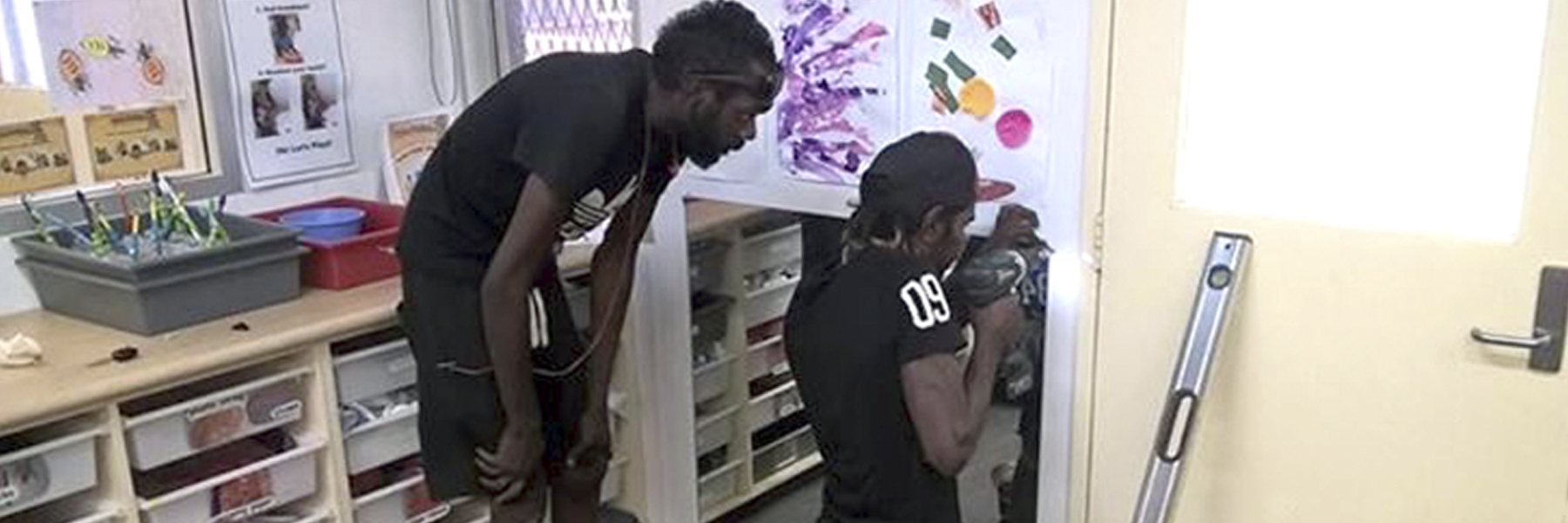
<need text about HMO training + and any other community capacity strengthening activities that have happened in the EH and housing space>
<need photos from HMO training>
Our Stakeholders
WA Environmental Health Directorate
<need a few sentences + link to their website – see #endingtrachoma example>
#EndingTrachoma Project
The Environmental Health Trachoma Project (#endingtrachoma) aims to reduce the incidence of trachoma and skin infections in ‘trachoma at risk’ Aboriginal communities in remote WA by December 2020. Read more about their work on the PHAIWA website.
Rotary EndTrachoma Project
<need a few sentences + link to their website – see #endingtrachoma example>
SA Health Aboriginal Environmental Health (Phil Graham’s team?)
<need a few sentences + link to their website – see #endingtrachoma example>
USE WATER TRAILER IMAGE??
Acknowledgements
<This needs to be built up>
IEH would like to acknowledge and thank a wide range of partners who were involved in the consultation. Some of those involved included community members and Elders, linguists, artists, Aboriginal health and environmental health organisations, hygiene networks and Government trachoma programs across NT, WA and SA. Thank you to all who offered their time and expert views to refine the clear and consistent hygiene messages to help prevent trachoma and other infections.
- Aboriginal Community Services of SA
- Aboriginal Environmental Health Directorate Department of Health WA
- Aboriginal Environmental Health Workers Ngaanyatjarra Lands WA
- Aboriginal Health Council of SA
- Blackstone community members WA
- Central Australian Aboriginal Health Congress Health Promotion Team NT
- Children’s Ground NT
- Country Health Service WA
- Department of Education NT
- Derek Harris Chairperson Ngaanyatjarra Council WA
- Dr Sam Osborne Regional Engagement APY Lands University of SA
- End Trachoma 2020 Rotary
- Ending Trachoma Project Curtin University WA
- Families as First Teachers Forum NT
- Fred Hollows Foundation
- Fregon community members SA
- Health Hardware and Hygiene Network NT
- Jan Mountney Linguist Ngaanyatjarra Lands WA
- Katherine West Health Board NT
- Maimie Nginytja Butler Translator Blackstone WA
- Mimili community members SA
- Ngaanyatjarra Council staff WA
- Ngaanyatjarra Health Service staff WA
- Nganampa Health Council staff APY Lands SA
- Nirrumbuk Aboriginal Corporation WA
- Pitjantjatjara Yankunytjatjara Education Committee SA
- Pukatja Clinic staff APY Lands SA
- Shire of Ngaanyatjarraku staff WA
- Squeaky Clean Kids Program WA
- Tara community members NT
- Trachoma Program Centre for Disease Control NT
- Trachoma Reference Group WA
- WA Country Health Service Perth, Goldfields, Midwest, Pilbara and Kimberley
- WA Interpreting Service
- Warakurna Artists WA
- Warburton community members WA