Healing the Past by Nurturing the Future Training
What is the training about?
The Healing the Past by Nurturing the Future (HPNF) training is an evidence-informed, culturally safe trauma-aware and healing informed care training program.
The aims are to providea deeper understanding of: Aboriginal and Torres Strait Islander social and emotional wellbeing; the impact of trauma on health equity; the physiology, neurobiology and epigenetics of trauma; recognising and responding key elements of trauma aware and healing informed spaces and care; where to go to learn more about support services; and reflect on ways to prevent and reduce vicarious trauma for training participants.
The training incorporates practical tools and exercises to maximise your engagement and to build practical skills that are relevant for your workplace and role.
Who is this for?
Any service provider caring for Aboriginal and Torres Strait Islander people, including, but not limited to:
- Administrative and reception staff
- Allied health practitioners e.g. lactation consultants, occupational therapists, physiotherapists, ultrasonographers etc
- Medical professionals and specialists (e.g. GPs, obstetricians, paediatricians)
- Mental health practitioners (e.g. counsellors, social workers, psychologists, Aboriginal Mental Health Liaisons, Lived and Living Experience Experts, Carer Consultants)
- Nurses and Midwives
- Managers (e.g. team leaders, supervisors)
- Social and Emotional Wellbeing Workers
- Aboriginal Health Liaisons
- Security staff
Over 1000 Service Providers have completed the HPNF training and said
98%
The training was engaging
97%
The training was high quality
97%
I would recommend this training
Background to the Training
The Healing the Past by Nurturing the Future (HPNF) co-design project was conducted with Aboriginal and Torres Strait Islander leaders, researchers, clinicians, and community members (2018-2022). It aimed to develop strategies to identify and support Aboriginal and Torres Strait Islander parents experiencing trauma.
-
The HPNF training is underpinned by the HPNF conceptual framework, which draws on holistic Aboriginal constructs of social and emotional wellbeing to illustrate the aims and values of the project through four domains and six core principles.
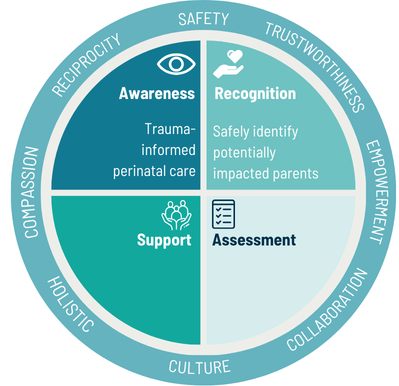
Conceptual framework for co-designing perinatal awareness, recognition, assessment and support strategies for Aboriginal parents experiencing complex trauma by Cath Chamberlain, used under CC BY-NC 4.0 / Adapted by HPNF Project team.
-
The four main domains were developed during initial consultation stages of the project. The domains of recognition and assessment articulate ‘screening’ strategies that incorporate a two-tiered process for care providers to recognise people who may require more in-depth assessment for complex trauma, as well as ‘intervention’ approaches to improve trauma-informed perinatal care, minimise the risks of re-traumatising people (awareness), and provide a broad range of trauma-specific support options.
-
The core principles of the HPNF project and training were developed over four key stakeholder workshops and comprise: safety, trusting relationships, empowerment, collaboration and authentic partnerships, culture, and holistic and integrated care.
1. Safety
Create environments where people feel physically and emotionally safe, and avoid re-traumatisation. Self-reflection and workplace reflexivity are crucial.
2. Trusting Relationships
Trustworthiness and engagement through safe authentic relationship building and transparency to assist healing and recovery. Emphasise the importance of empathy and compassion.
3. Empowerment
Adopt a strengths-based approach to promote empowerment and skill-building for people to take control of their own healing and recovery. Maximise choice, control, autonomy and flexibility.
4. Collaboration and Authentic Partnerships
Share power and governance, including collaborating with Community members in the design and evaluation of services.
5. Culture
Employ culturally competent staff and adopt practices that acknowledge and respect specific cultural backgrounds. Be aware of and understand the impacts of traumatic experiences on individuals, families, and communities.
6. Holistic and Integrated Care
Aboriginal understandings of social and emotional wellbeing are holistic and recognise the inherent relatedness to spirit, body, culture, mind, family, community, and country. Integrate care to support needs.
Content Overview
The Impact of Colonisation on Aboriginal and Torres Strait Islander Social and Emotional Wellbeing
Understand Aboriginal and Torres Strait Islander social and emotional wellbeing (SEWB) and the impact of colonisation on health equity. Appreciate the importance of trauma-aware healing-informed care.
By the end of the module, participants will be able to:
- Describe Aboriginal and Torres Strait Islander understandings of Social and Emotional Wellbeing.
- Explain the impacts of colonisation on Aboriginal and Torres Strait Islander SEWB, trust in health services and health equity.
- Discuss windows of opportunity for healing trauma.
Physiology and Neurobiology of Trauma
Understand the types of trauma, basic overview of the neurobiology of trauma, and how these impact behaviour later in life.
By the end of the module, participants will be able to:
- Identify causes and symptoms of different types of trauma (PTSD, Complex PTSD, intergenerational trauma).
- Explain the stress response and how it can become dysregulated after trauma exposure.
- Explain the changes to brain structure and function that can occur when children are exposed to trauma.
- Explain how epigenetic changes may facilitate the inheritance of trauma-related responses across generations.
- Describe how challenging behaviours and presentations may be explained by previous trauma and should be viewed as understandable, adaptive coping strategies.
How Can We Create Safe, Trauma-aware Services?
Consider what trauma-aware healing-informed care looks like, and reflect on how to create physically, emotionally, and culturally safe spaces.
By the end of the module, participants will be able to:
- Describe and apply the concept of universal precautions in relation to trauma-informed care.
- Identify elements of physical environments that help people feel welcome and safe.
- Describe and apply strategies to create emotional safety.
- Explain basic strategies to create cultural safety and the importance of cultural safety training to further this knowledge.
How can we build trusting, respectful relationships with Aboriginal and Torres Strait Islander people?
Develop strategies for building trusting relationships with Aboriginal and Torres Strait Islander people.
By the end of the module, participants will be able to:
- Understand and apply thoughtful communication strategies including clinical yarning, deep listening.
- Describe the difference between indirect and direct language. Apply invitational communication techniques.
- Understand and apply strategies to empower through providing choice.
- Understand and apply strengths-based approaches.
The Importance of Linking to Further Support and Looking After Yourself
Understand what supports Aboriginal and Torres Strait Islander people may want and need, link to Aboriginal Community Controlled Organisations. Minimise service provider vicarious trauma and burnout.
By the end of the module, participants will be able to:
- Describe what kinds of supports Aboriginal and Torres Strait Islander families may want and need.
- Recognise the need for collaboration, authentic partnerships, and support to access services.
- Explain vicarious trauma and strategies to minimise stress and burnout and promote wellbeing at work.
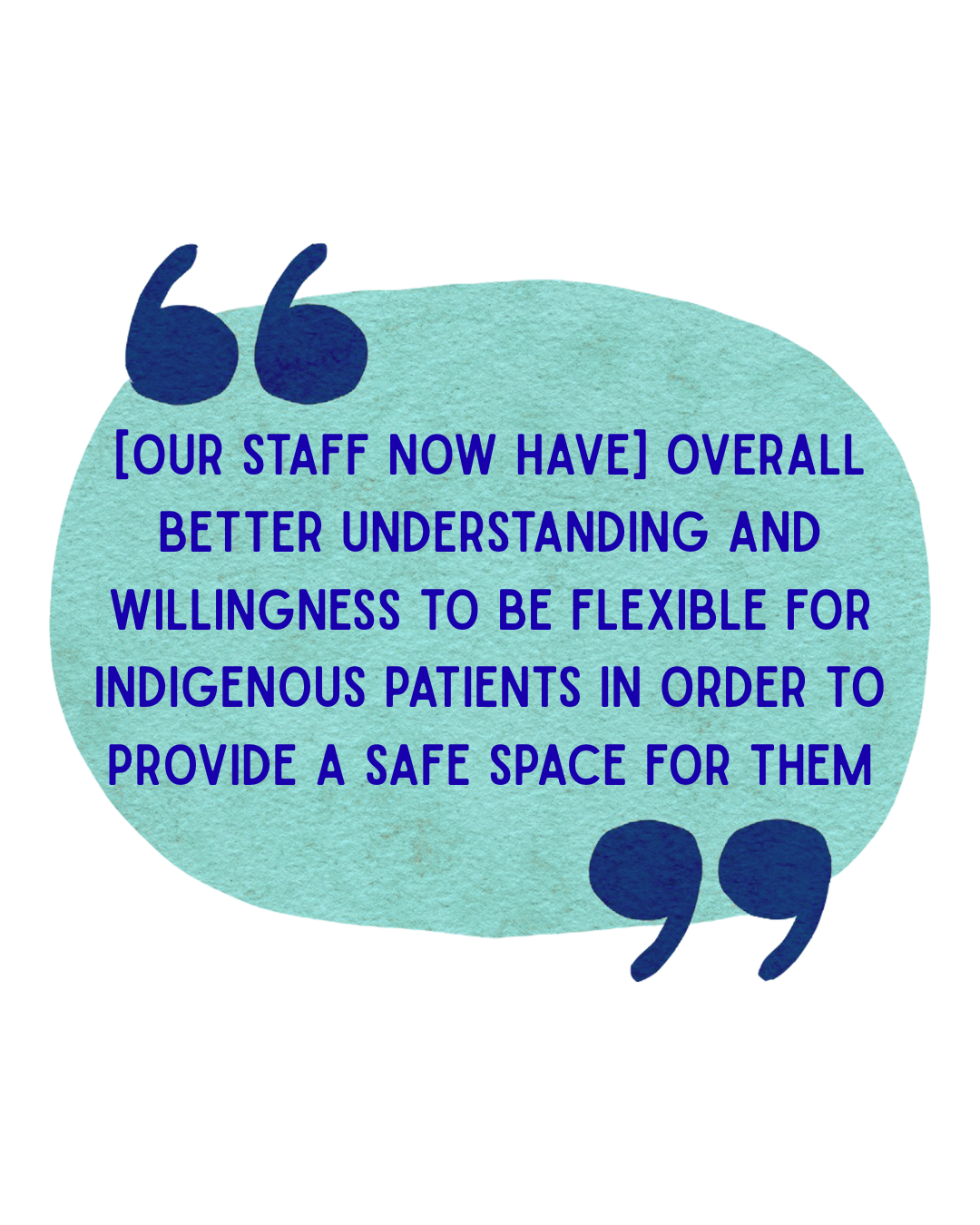
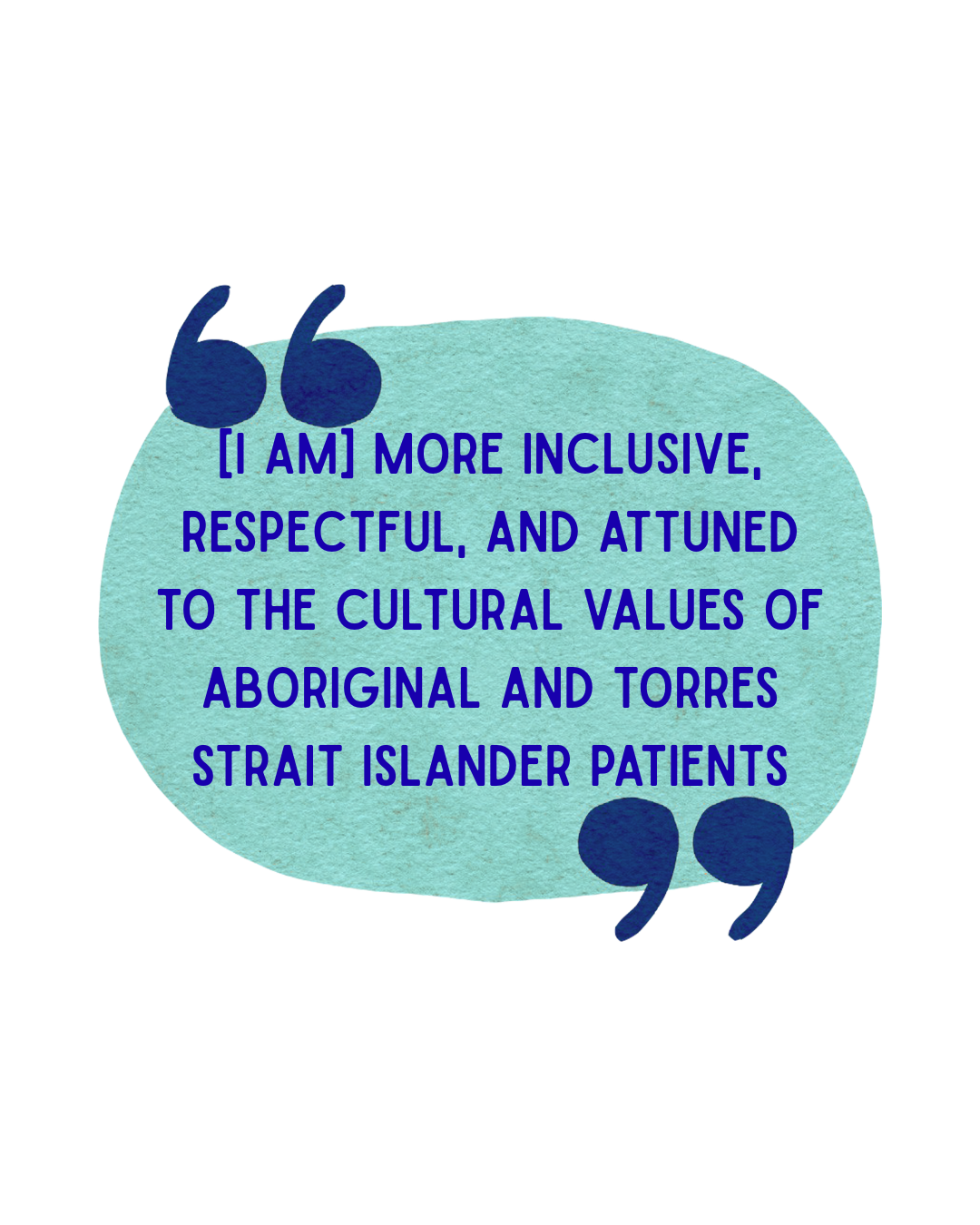
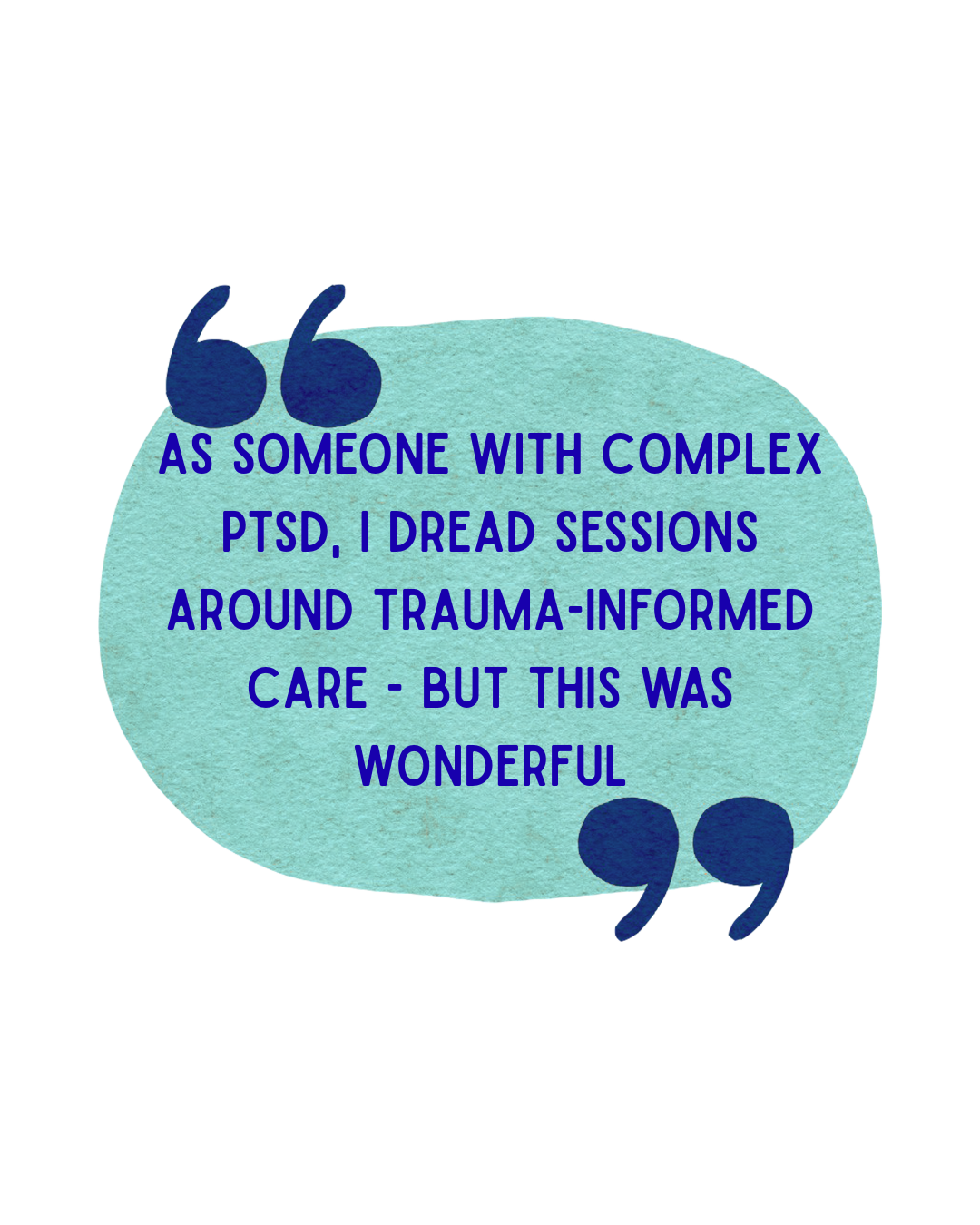
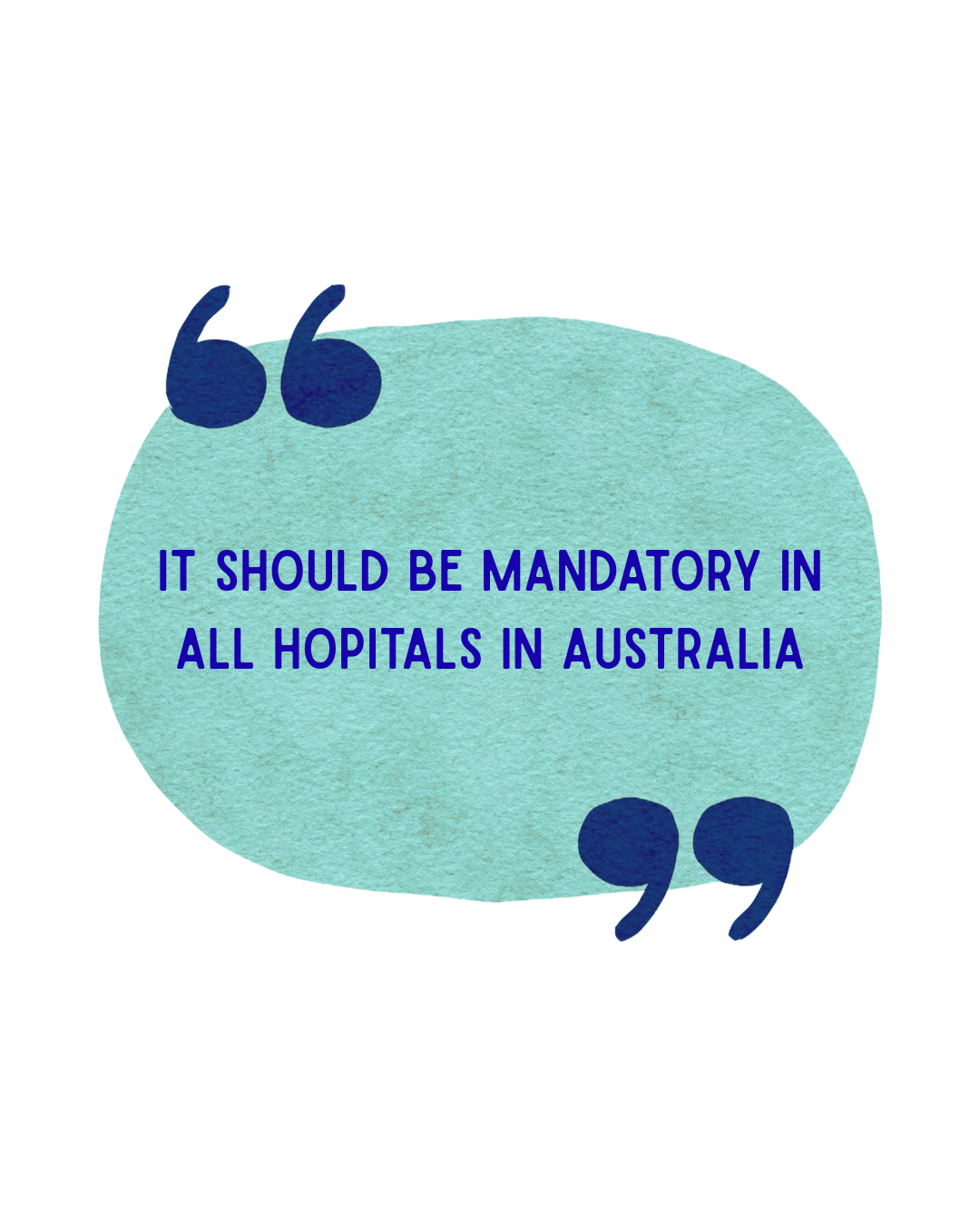
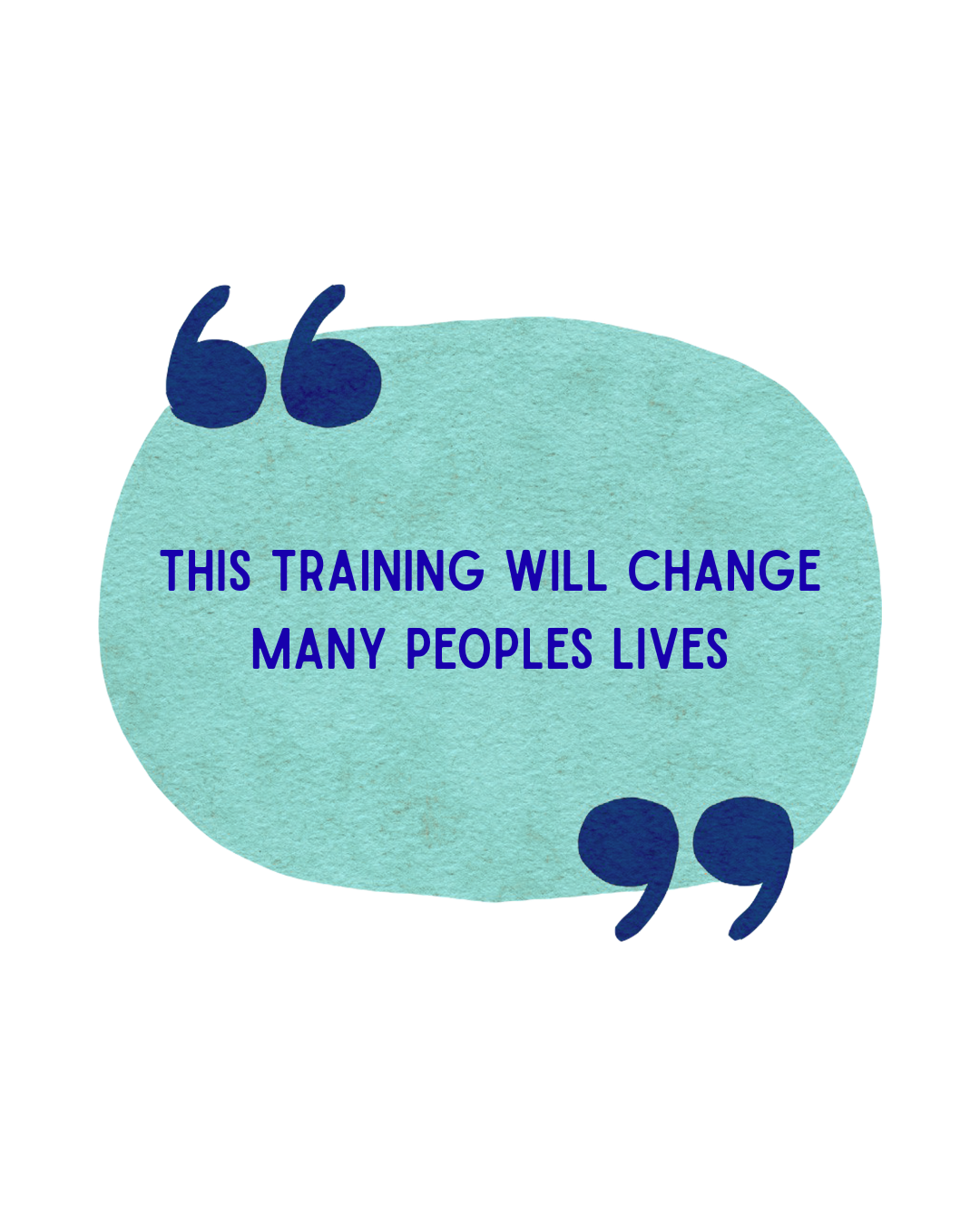
Testimonials
Contact Us
Please feel free to contact us if you have any questions or would like to discuss how we can tailor our training for your team.
Major Partners

The Indigenous Health Equity Unit acknowledges and pays respect to the traditional custodians of the lands on which we live and work. We pay our respects to Ancestors, and Elders both past and present, peoples and Country of each Aboriginal and Torres Strait Islander nation.
We recognise the unique place held by Aboriginal and Torres Strait Islander peoples as the original custodians of the lands and waterways across the Australian continent, with histories of continuous connection dating back more than 60,000 years.