Reflecting on NATSIEHC25: A powerful gathering in Boorloo, led by First Nations voices

Held on Whadjuk Noongar Country from 27-29 May, delegates from across the country gathered in Boorloo (Perth) for the 2025 National Aboriginal and Torres Strait Islander Eye Health Conference (NATSIEHC25). For the first time, the event was proudly led by the First Nations Eye Health Alliance (FNEHA) - marking a significant milestone in the movement toward First Nations-led decision making and self-determination in eye health.
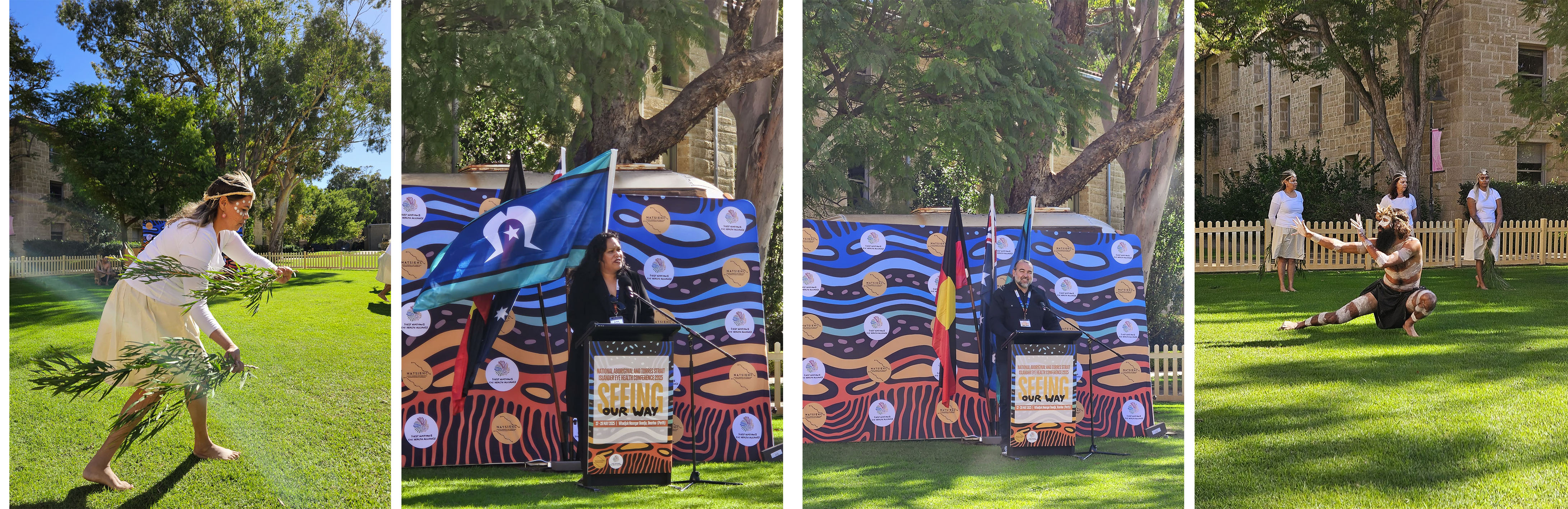
The conference opened with a heartfelt Welcome to Country by Uncle Trevor Walley and a wonderful performance by the Middar Dance Group, grounding the gathering in strong cultural foundations. FNEHA CEO Lose Fonua and Chair Shaun Tatipata offered opening reflections, highlighting how this year’s theme, ‘Seeing Our Way’, captures the growing strength and direction of the eye health and vision care sector being reshaped through First Nations leadership.
We are creating a space of purpose, momentum and action".
— Shaun Tatipata, Chair, First Nations Eye Health Alliance
The conference program featured a range of compelling keynote sessions, workshops, and panel discussions offering wisdom, provocation, and vision from across the sector. The importance of legacy was powerfully echoed in the opening address by FNEHA Co-Patron Aunty Pat Anderson AO, who reminded us:
We are all part of this legacy - creating a system that really sees us. We all have a role. Allies – your role matters. What will your contribution be? Will you walk with us? Beside us?
Her words resonated, especially in the context of the United Nations Declaration on the Rights of Indigenous Peoples, reminding us that self-determination, cultural safety, and equity must be at the centre of systems that truly serve our communities.

Another highlight was a powerful panel discussion led by Jaki Adams (newly appointed Executive Manager, Research and Knowledge Translation, Lowitja Institute), featuring emerging First Nations leaders and FNEHA Board directors, Nick Wilson (Indigenous Allied Health Australia), Telaine Cowdrey (Fred Hollows Foundation), and Sara Carrison (Flinders University). Representing workforce, social justice, advocacy, education, and policy, the panellists reflected on the significance of the work being done, honoured those who paved the way, and shared their hopes for the future. Nick Wilson spoke about the importance of supporting the next generation:
It’s about the how – we’re creating a strong sector that is safe for mob. The space we’re building is powerful. Let’s continue to support FNEHA.
Among the most moving moments of the conference was the Jilpia Nappaljari Jones Oration, delivered with extraordinary strength and vulnerability by Anne Marie Banfield. Her words honoured the resilience of trailblazers like Aunty Jilpia and called on us all to continue striving for a culturally safe and just health system.
The Minum Barreng: Indigenous Eye Health Unit (MB:IEHU) team was proud to contribute to the conversations and celebrations across the three days. Our trade table was a place to connect with delegates from across the country and share our eye health promotion resources.
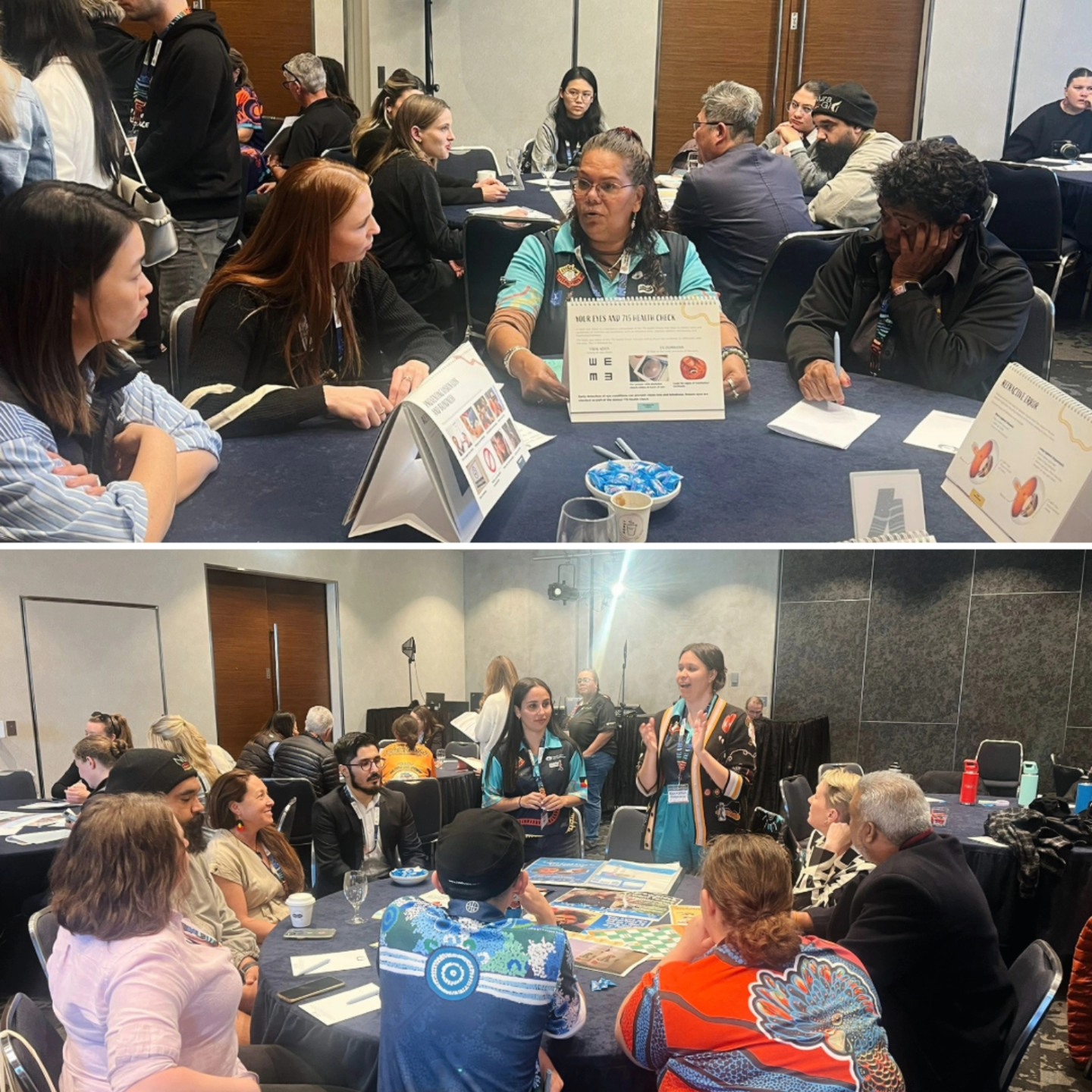
MB:IEHU’s Makkaillah Ridgeway and Tori Kerr delivered a tabletop presentation on adapting and localising our national eye health campaigns using digital design tools like Canva. Lesley Martin, Health Promotion and Community Engagement Officer, and Carol Wynne, Research Fellow/Translation Research Scholar, also presented new resources from Eyecare Now, Eyecare Always, developed to strengthen the eye health component of the Aboriginal and Torres Strait Islander 715 Health Assessment.
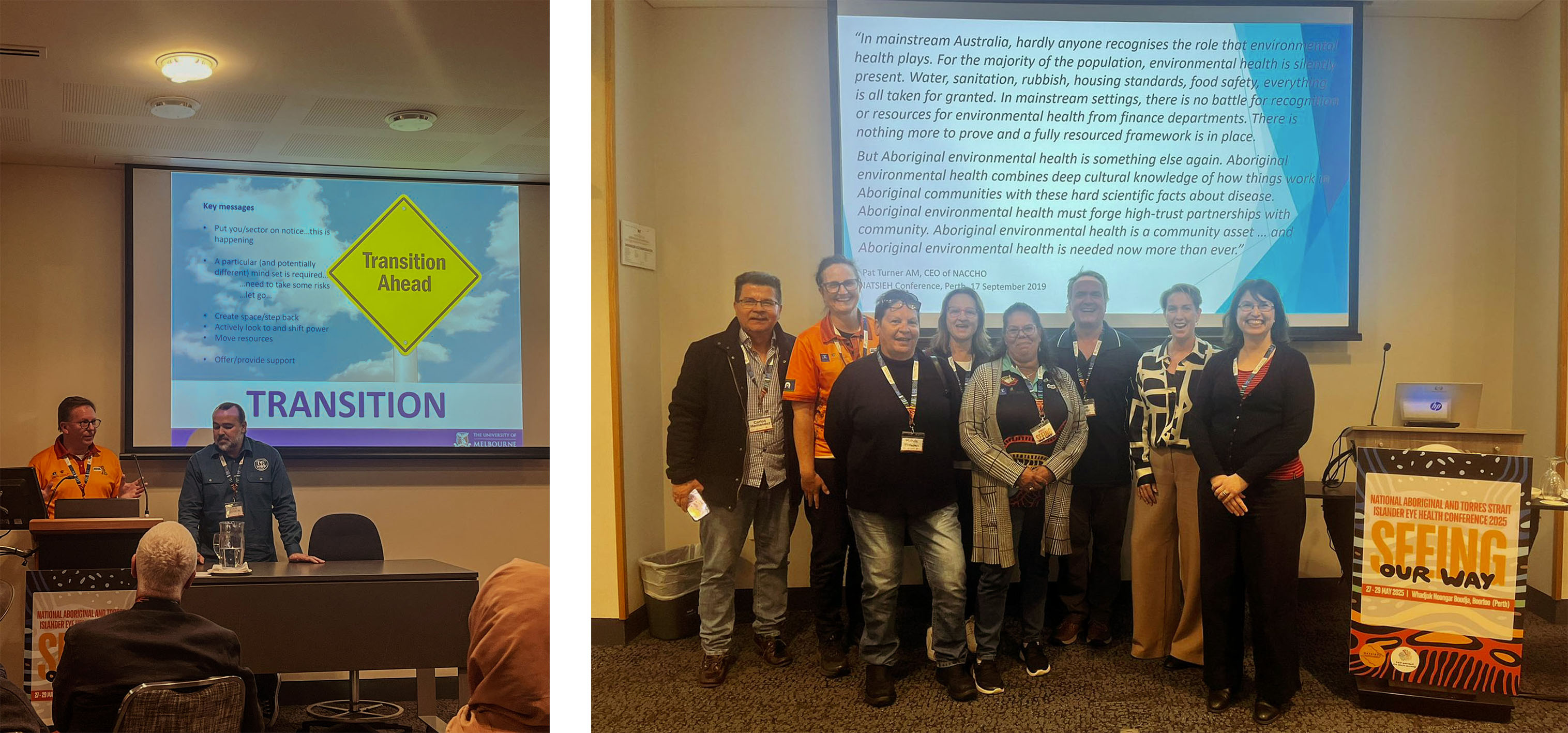
Shaun Tatipata, in his dual role as Deputy Head MB:IEHU and Chair of FNEHA and Mitchell Anjou, Head of MB:IEHU shared the podium for a ‘Snapshot’ of where Aboriginal and Torres Strait Islander eye health is up to in 2025 and stressed the importance of a new First Nations led national plan for First Nations eye health and vision care. Lesley Martin and Emma Stanford, Deputy Head MB:IEHU, also contributed to the trachoma focused session, sharing reflections and next steps for trachoma health promotion following the recent independent evaluation conducted by Nama Jalu Consulting. There was great excitement about the dossier being prepared for the World Health Organisation seeking certification for the elimination of trachoma as a public health problem in Australia in 2025.
On the final day, Shaun Tatipata and Mitchell Anjou teamed together again to present on the future transition of MB: IEHU. They shared a long-term vision for supporting the transfer of sector leadership, advocacy, and health promotion into a First Nations-led structure.
‘The real measure of success for organisations like ours’, Mitchell said, ‘is making ourselves redundant through long-term planning that supports and helps build First Nations capability, control and leadership’. Their session framed the transition as both timely and necessary, demonstrating how transformation, when done in partnership, can contribute to broader sector reform.
As Commissioner Selwyn Button noted in his conference opening:
Transformation doesn’t need to be big or a mountain. It’s the small, local, incremental changes—and honest conversations - that truly improve outcomes.
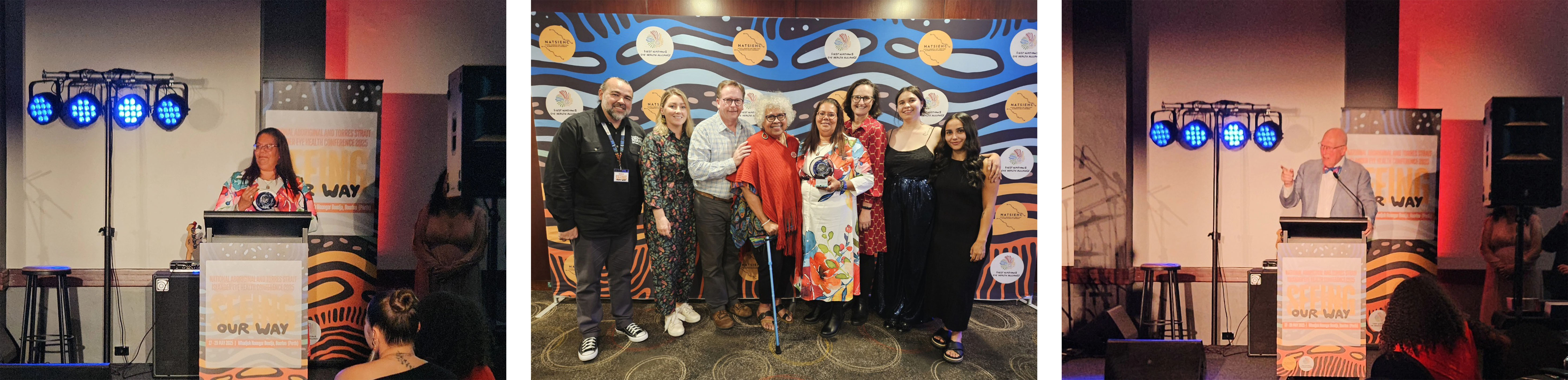
We were also especially proud to see two members of the MB:IEHU family recognised during the Gala Dinner and Awards Night:
- Lesley Martin, awarded for her Outstanding Commitment to the Elimination of Trachoma
- Professor Hugh Taylor AC, honoured with the Lifetime Achievement Award for over five decades of dedication to Aboriginal and Torres Strait Islander eye health
Congratulations Les and Hugh! Read more here
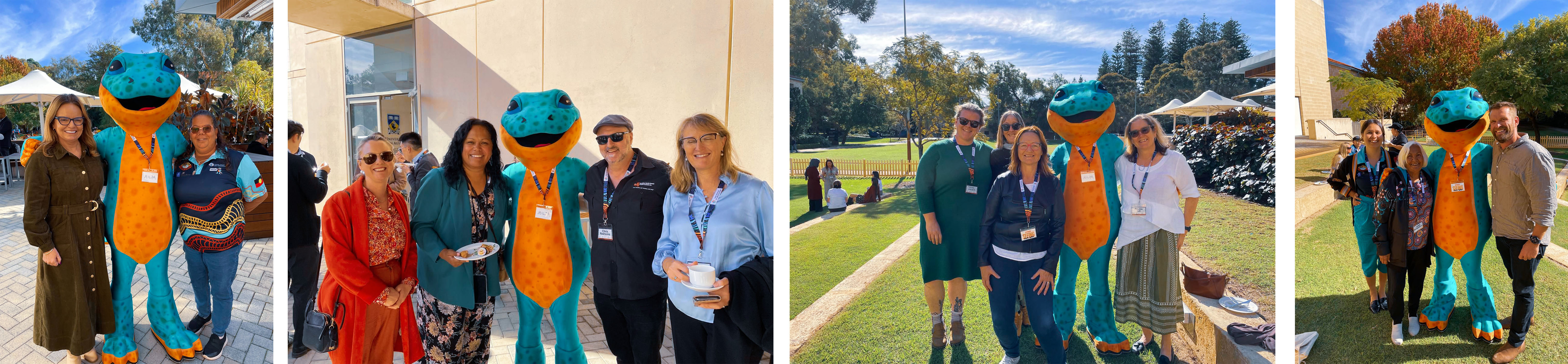
From Milpa’s cheeky smiles to the late night yarns, strategy sessions, and music and dance performances, NATSIEHC25 was a wonderful three days of the eye health sector coming together. The warm presence and thoughtful guidance of Aunty Doseena Fergie, Co-Patron of Onemda: Aboriginal and Torres Strait Islander Health and Wellbeing, University of Melbourne, throughout the event.
Thank you to the First Nations Eye Health Alliance team and Board for their leadership and the University of Western Australia, for co-hosting such a successful conference. We look forward to coming together again next year in Narrm (Melbourne).
For more information about the First Nations Eye Health Alliance and the National Aboriginal and Torres Strait Islander Eye Health Conference, visit www.fneha.com.au