Integration of rehabilitation into health systems: A gendered perspective
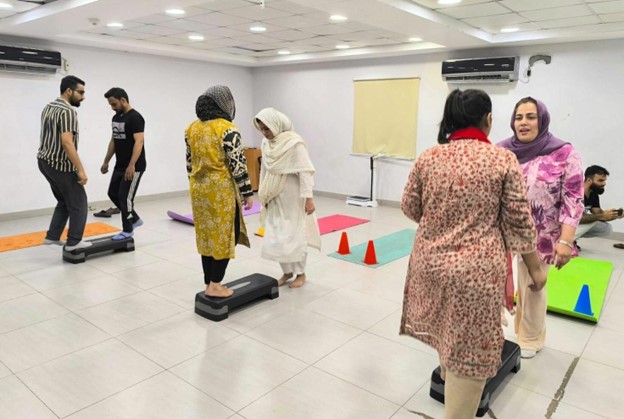
Rehabilitation is a vital component of any health system, enabling individuals to gain functional independence and improve quality of life following injury, illness, or disability. As Pakistan moves toward strengthening its health infrastructure, understanding the gender issues of rehabilitation professionals is key to building a resilient and inclusive system.
Our recent research with rehabilitation workers in Pakistan found a striking gendered narrative. While exploring perceptions of district-level physiotherapists across two provinces (Khyber Pakhtunkhwa and Sindh), both male and female participants commonly described gender influences on worker performance and patient care.
Where there were few or even no female physiotherapists, particularly in Sindh, male physiotherapists expressed frustration at their inability to adequately care for female patients. The hands-on nature of rehabilitation, combined with social norms in Pakistan that broadly discourage physical contact between genders, creates a challenge for service delivery.
There are no female workers, which is causing problems because when female patients come here for treatment, they request female workers…Yes it is a major issue. Male, Sindh
Aware of this and other barriers to care, Khyber Pakhtunkhwa province began to introduce physiotherapists to all district hospitals in 2014, aiming for at least 1 male and 1 female in each. Notably, therapists within this initiative revealed more nuanced gendered issues, suggesting it is not enough to merely provide a female therapist in order to improve access to integrated rehabilitation services for female patients. Both male and female physiotherapists highlighted additional considerations such as space, privacy, and access to equipment.
This is a district-level setting where accommodating males and females is challenging, people prefer having separate facilities for male and female patients… If we want to provide these services, we cannot do it because males can pass by, and even if we try, female patients may feel uncomfortable, and their families may impose restrictions. Female, Sindh
Furthermore, female therapists explained that they face specific workplace pressures that feel personal and impact their performance and experience of the workplace.
I know many other female physiotherapists who faced challenges regarding induction in the peripheral areas [outside the capital], environmental factors, and cultural biases. It even goes to the extent of character assassination. Personally, I have suffered a lot due to the above factors. These factors affect not only the professional realm but will also impact mental health. Female, KP
The bold systems change in Khyber Pakhtunkhwa broadly demonstrate a success story. More rehabilitation workers are integrated within the health system. Yet, these important, gender-based findings are a poignant demonstration that successful integration needs decision makers to listen beyond the sweeping reforms. The workers living these changes hold the keys to what smaller, targeted changes can improve the experience, performance and retention of, in this example, female physiotherapist and support more inclusive and accessible care.
Kirsty Teague is a technical advisor at the Nossal Institute, focusing on health system strengthening in the Asia-Pacific area.