Inclusive Energy Transition in South Asia and Beyond
An inclusive energy transition is essential for achieving sustainable development, addressing climate change, promoting social equity, and fostering global collaboration. A just energy transition ensures that all segments of society, particularly vulnerable and marginalised communities, are actively involved in and benefit from the shift to cleaner and more sustainable energy practice.
We have been working with Asian Development Bank to deliver a series of knowledge building events to encourage the use of energy solutions that are fair, with a focus on gender equality and social inclusion. The first in the series was recently held in Sri Lanka and successfully engaged experts and practitioners across disciplines and sectors, energy, social development, education and skills, and even health, from around 14 countries across Asia and the Pacific.
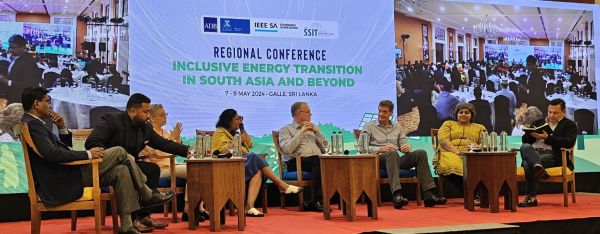
Over three days participants from a wide range of organisations, NGOs including Self Employed Women’s Association, workers’ organisations, government representatives, ADB experts from across sectors and Nossal Institute partners analysed key features of an inclusive energy transition, and shared experiences and lessons learned in this transition process. Our delivery partners Melbourne Energy Institute, the Institute of Electrical and Electronics Engineers and Grameen Shakti, lead discussions on policies and frameworks, techno-economic and social challenges, the future of work, and lessons from community-centred resilience and adaptation experiences.
While the focus was the energy sector and the just energy transition, the opportunity for cross-sectorial connections was beneficial with attendees exposed to complementary expertise, resources, and perspectives to drive holistic and inclusive approaches to the energy transition.
Dr. Reihana Mohideen, principal advisor at Nossal Institute and Conference chair, played a pivotal role in shaping the agenda, inviting key stakeholders and experts, and facilitating discussions on topics such as inclusive energy transitions, social equity linkages, and cross-sectorial collaborations. Her leadership helped foster meaningful dialogue, knowledge sharing, and actionable outcomes aimed at advancing sustainable development goals.
“ We are delighted at the positive feedback from the participants. Working together brings us more robust solutions, greater impact, and broader support from diverse stakeholders across society,” says Dr Mohideen. ”Participants actively engaged in the discussions and showed such strong commitment to delivering inclusive and integrated energy solutions.”
The series will continue with deep-dive national workshops planned in Bangladesh and India this year and in the Maldives, Sri Lanka, Nepal and Bhutan in 2025.
Dr. Reihana Mohideen is the Principal Advisor, Social Implications of Technology and Just Energy Transition at Nossal Institute Her work increasingly straddles the issues of renewable energy and low-carbon initiatives in the health system with an emphasis on gender equality and social inclusion (GESI) outcomes.