Defending women’s health amidst global turmoil
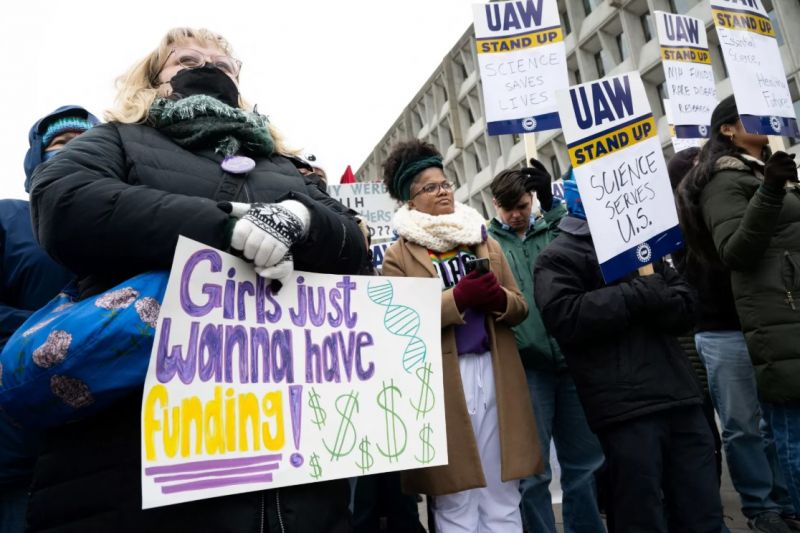
On March 8, people around the world celebrate International Women’s Day. While some Australians may be cynical about a day often hijacked by corporate interests and pink cupcakes, in the majority world (and for many here too) International Women’s Day retains its origins as a day of protest.
And there has never been a more urgent need to stand in solidarity with, and protest alongside, women and girls globally.
Recent changes out of the United States have particular, and disastrous, implications for the health of women and girls.
The impacts of recent decisions made by the current administration are not only being felt by women and girls in the USA, but also by women and girls in low and middle- income countries around the world.
The dismantling of programs funded by USAID drastically reduces access to health services, including maternal, sexual and reproductive health services; programs to prevent and respond to violence against women and girls; and treatment for infectious and non-communicable diseases alike.
The Trump administration’s elimination of more than 90 per cent of foreign aid contracts translates to elimination of efforts to prevent child marriage, to keep girls in school, to include women and girls with disabilities in their communities, and to protect women and girls in humanitarian emergencies.
America’s withdrawal from the World Health Organization and cessation of funding to the United Nations Population Fund severely undermines the vital support that UN agencies provide to women’s health organisations globally.
Cuts to the National Institutes of Health and the Centers for Disease Control and Prevention mean that vital women’s health research has ground to a halt.
By insisting that certain words are removed from websites and federal documents, and as well as preventing access to data about the health of certain groups, the administration not only denies the very existence of some women (particularly transgender women), but blocks understanding of the severe inequalities in health that exist within and between groups of women and girls.
All of this amid the administration’s stance on reproductive rights which puts lives at risk.
This International Women’s Day, remember the day’s activist origins.
We must work with our elected representatives, institutions, corporations and communities to promote equity in global health, and prevent hard won progress in women’s and girl’s health being lost.
On IWD 2025, our anger and resistance must be about much more than who cleans up after the pink cupcakes have gone.
Professor Cathy Vaughan is the Nossal Institute director and a public health researcher with expertise in gender, violence prevention and response, sexual and reproductive health, and health systems. Her research focuses on the impact of intersecting health inequalities on gender-based violence and the effectiveness of violence prevention and response initiatives.
This article was first published in Pursuit as part of the essay "Why 2025 is a big year for women's health".