Contributing to Health System Strengthening in Afghanistan
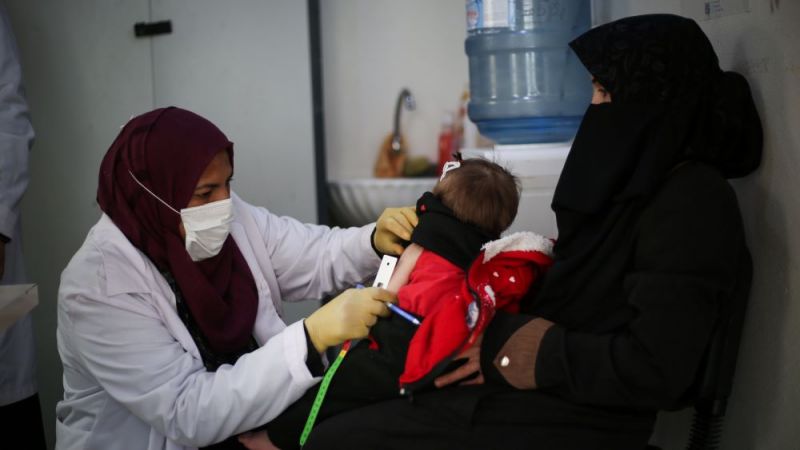
Afghanistan, known to have some of the worst maternal and newborn indicators in the world[1], introduced the Basic Package of Health Services (BPHS) in 2003. This initiative aimed to improve access to primary health care, including maternal health services, at health centres and district hospitals throughout the country.
Initiatives such as the Family Health House (FHH) and mobile health teams have been employed since 2009 to extend this service to remote communities. The FHH is a community-led initiative that involves training local women in remote communities as midwives and providing infrastructure, equipment, and medicines to provide essential maternal and newborn health services. However, improvements in access to services resulting from these initiatives, as well as women’s social and economic rights in the country, have been eroded following the change of government in August 2021.
FHH have become particularly important in the current climate since they circumvent women’s travel restrictions and, through the provision of female health workers, provide culturally appropriate care to vulnerable women and children. However, our recent evaluation of the FHH project found that while the FHH project provided an important solution to the challenge of equitable access to health care, shortages of essential medicines and medical supplies and lack of basic infrastructure (such as water supply), are a limiting factor to quality services. Healthcare in Afghanistan is precarious and reduction in donor funding following the fall of the previous government is likely to have a further impact on supply chain and infrastructure maintenance. The exodus of public health experts from the country since 2021 also leaves a significant skills gap. While female healthcare workers are currently exempt from the de facto government’s restrictions on women's participation in the workforce, the ban on girls’ secondary education will soon impact the ability to train new midwives necessary to maintain FHH. Donors supporting the Afghanistan health system are searching for solutions to these issues to ensure sustainable primary and secondary healthcare and an adequate referral system for all.
The Nossal Institute for Global Health’s evaluation of UNFPA’s FHH project provides essential insights to enable strengthening of initiatives and access to good quality maternal healthcare for vulnerable women. The Nossal Institute aims to continue this support through an Afghanistan technical support hub, led by Afghani colleagues. Our work will focus on advisory support, implementation evaluation, operational support and capacity building work. Through our network of experts we will contribute to efforts to ensure the long-term sustainability of BPHS and safeguard the health and well-being of the Afghan population.
Noor Shah Kamawal, a Technical Advisor with Nossal Institute , is an expert in health system strengthening with a strong focus on improving access to, and quality of, healthcare services.
[1] World Health Organisation. Global Health Observatory Data—Explore a World of Health Data. Child Mortality and Causes of Death. https://www.who.int/gho/child_health/mortality/mortality_under_five_text/en/ (2018)