Our vision is to...
Our vision is to help create pathways towards optimum health and wellbeing for those at risk from or impacted by disaster, climate and adversity.
We work with policy makers, service providers, practitioners, communities and people with lived experience to build new evidence and convert that into practical resources and tools that increase capacity to implement health promoting systems, services and strategies.
We achieve this through our three intersecting streams of research:
- Disaster Resilience and Recovery – see Beyond Disasters
- Climate Change and Health – see Climate CATCH Lab
- Adversity, Trauma and Resilience – see Listening Lab
We welcome conversations about potential research and/or funding collaborations with those who share our vision. Please feel free to contact Professor Lisa Gibbs at +61 3 8344 0920 or lgibbs@unimelb.edu.au

Disaster, Climate and Adversity Unit Launch Webinar
Watch the recording of the launch of the Disaster, Climate and Adversity Unit on 14th November, introduced by Professor Nancy Baxter, Head of Melbourne School of Population and Global Health.
We live and work on the unceded lands of the Wurundjeri People of the Kulin nation, and we pay respects to their Elders past and present. We acknowledge that for First Nations communities, the impacts of disaster, climate and adversity occur in contexts of historical and ongoing trauma stemming from colonisation, racism and dispossession. We also recognise the formidable strengths of First Nations peoples and cultures, including the rich knowledges and practices of healing and caring for Country which are so powerful in reducing risk and supporting recovery. We strive to participate in genuine and respectful collaborations between Indigenous and non-Indigenous people for a more just, healthy and sustainable future together.
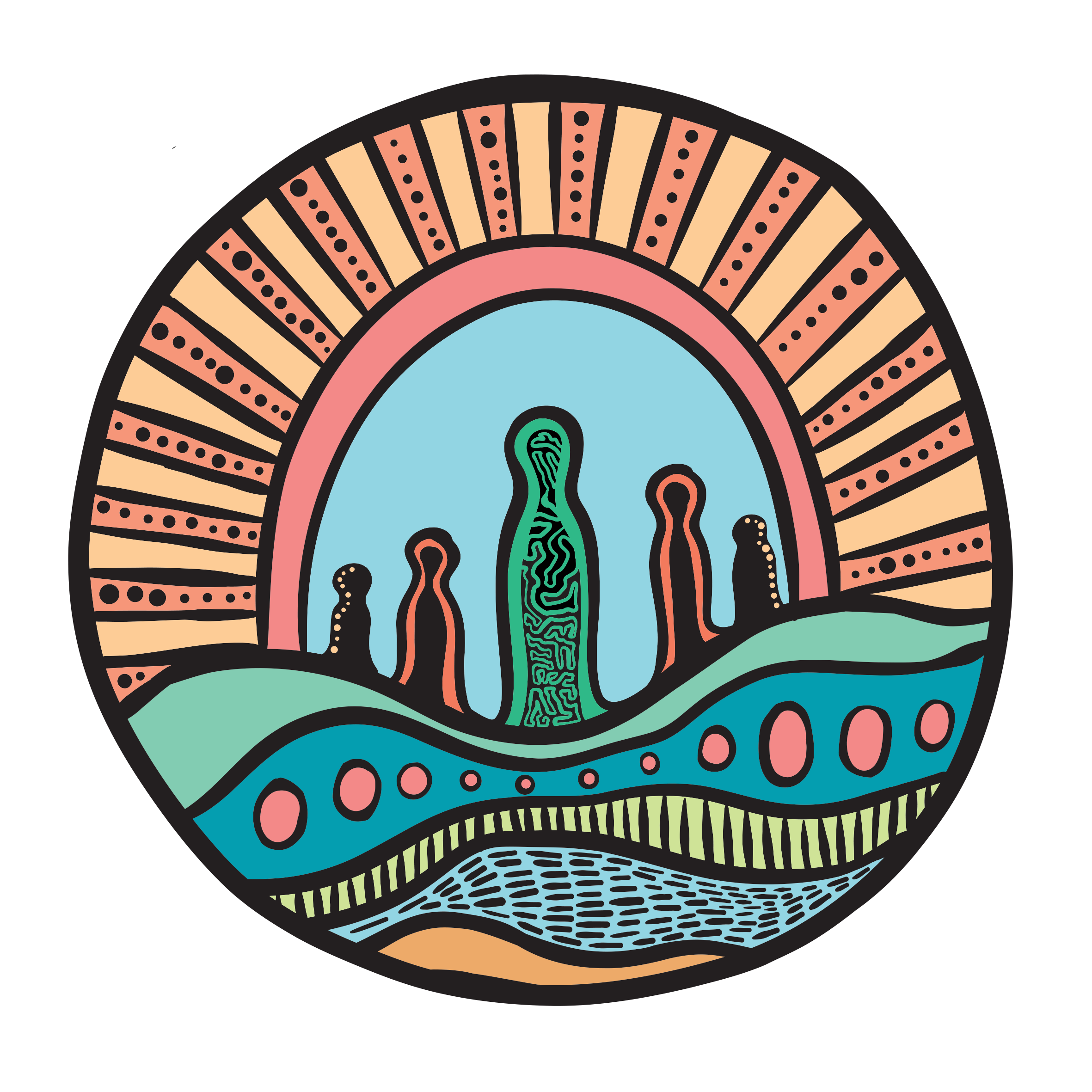
This artwork was commissioned from Yaegl artist by Frances Belle Parker, who explains:
"The healing process is vastly different for everyone. It is a pivotal part of our own recovery. This icon features five figures depicting a sense of community connectedness. They come together to help each other heal. The central figure is a symbol of calm, knowledge and healing. The remaining figures represent children as well as adults coming together to collaborate and learn from the Indigenous knowledge of healing. The ray of light represents the hope we experience following a disaster. The flowing pattern below the figures captures a sense of momentum as well as the movement within the journey of healing. "
History
The Disaster, Climate and Adversity Unit is an evolution of the Child and Community Wellbeing Unit and formerly the Jack Brockhoff Child Health and Wellbeing Program.
Over time, shifting health and social issues have meant our research focus has evolved to address emerging public health priorities. What hasn’t changed is our commitment to providing high quality evidence-based research and evaluation, characterised by our strong practice-research partnerships across many sectors and organisations. Our focus on child health and wellbeing continues to be a feature within each of our streams of research, alongside our research addressing adult experiences.
To read more about our history and previous projects, please see the Child and Community Wellbeing Unit website.