DHU hosts Professor Hannah Kuper and A/Prof Sara Rotenberg in Melbourne
In November this year, we were delighted to host Professor Hannah Kuper and A/Prof Sara Rotenberg from the London School of Hygiene & Tropical Medicine for a week of insightful conversations about our work and future opportunities.
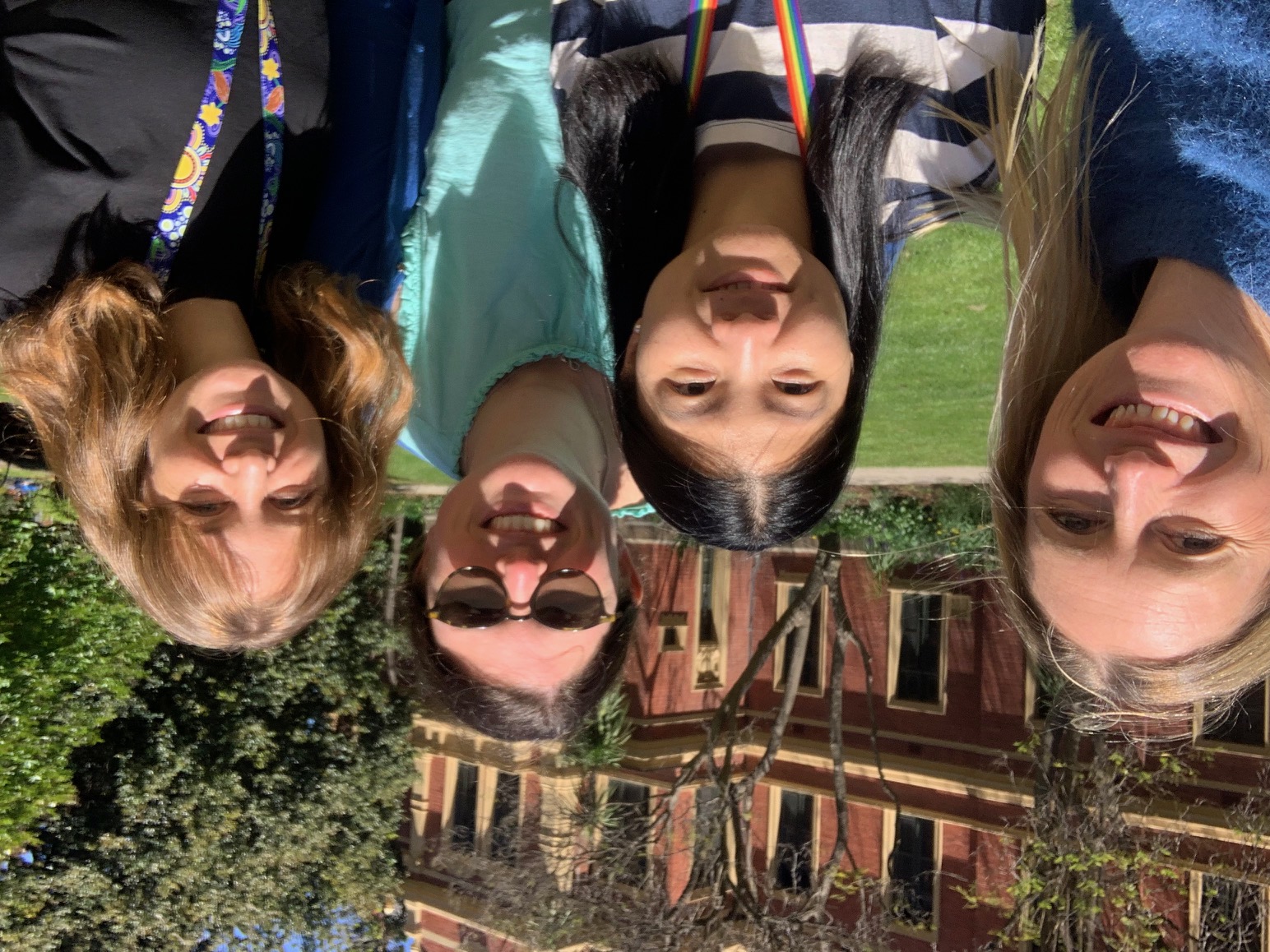
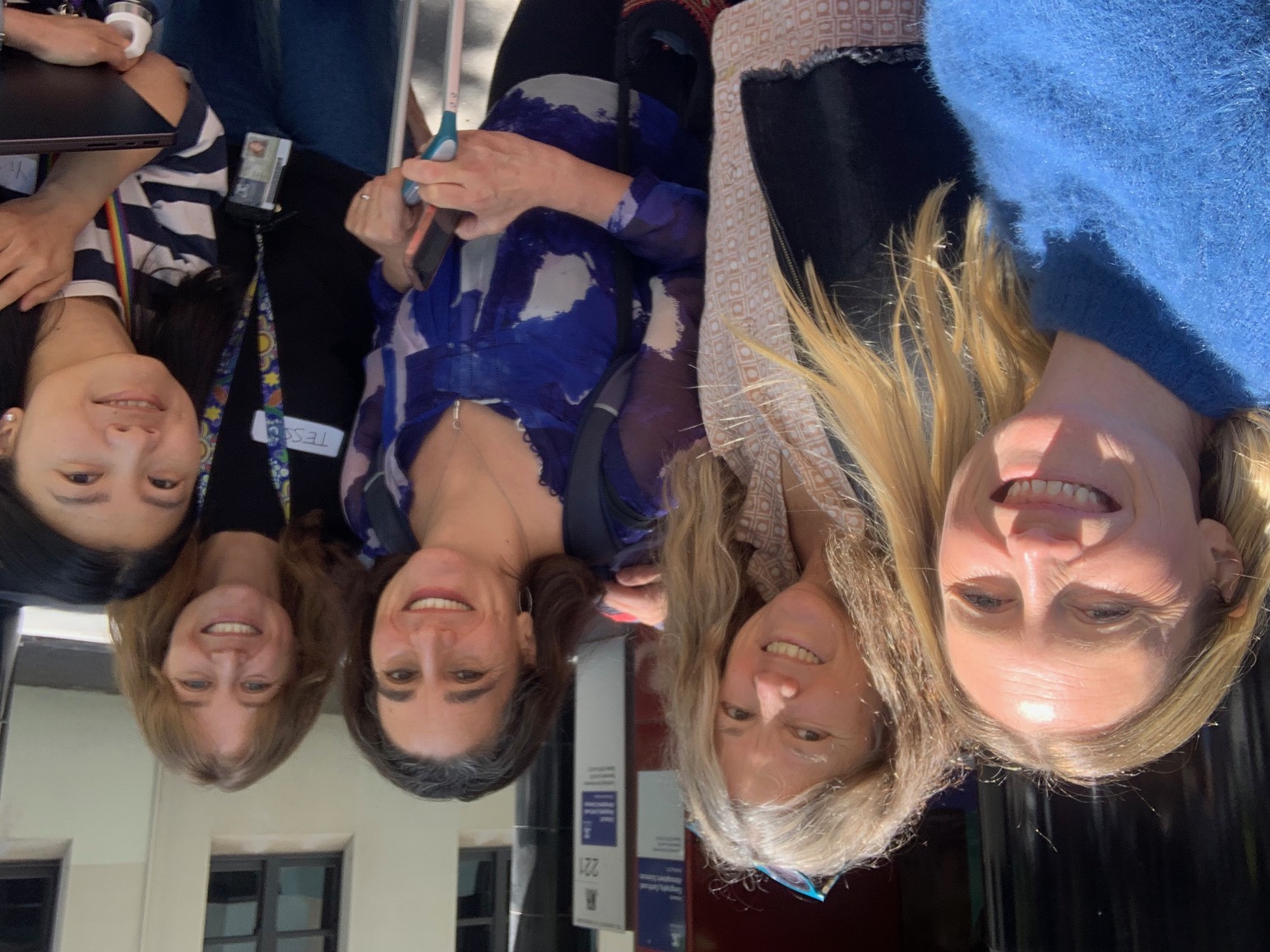
Throughout the week, we discussed our use of integrated data sets, PLIDA, and had presentations on the Lancet Commission on Disability and Health. We explored opportunities for the Commission and future collaborations, shared overviews of our work, and shared learnings related to co-design in disability research. It was an engaging and inspiring week full of valuable conversations.
Launched in 2025, the inaugural Lancet Commission on Disability and Health seeks to generate action-oriented evidence to show global health actors why and how people with disabilities must be included in health systems.
On Wednesday, 12th November, we hosted a public seminar: Creating Disability-Inclusive Health Systems that Leave No One Behind, presented by Professor Hannah Kuper, co-Chair of the Commission, which outlined the purpose of the Lancet Commission on Disability and Health and work across four themes: health inequalities, evidence-based interventions, political economy, and the economic case for inclusion. Our team from the Disability and Health Unit discussed their collaboration with the Commission, leveraging Australia's world-class integrated data assets to generate research to contribute to the Lancet Commission’s report.
The seminar was followed by a roundtable which brought together staff from the Disability and Health Unit, international partners from the Lancet Commission on Disability and Health, and government representatives from the Commonwealth Department of Health, Disability and Ageing, the Commonwealth Department of Social Services, the Australian Bureau of Statistics, and the Australian Institute of Health and Welfare involved in the development and use of Australia's integrated data assets for monitoring, reporting and research on disability and health.
The roundtable served to:
- Provide an opportunity to share learnings around the development and use of Australia's national-level integrated data assets for disability research
- Identify practical ways to enhance data quality, access, and use by drawing on complementary expertise and resources to advance Australian disability health research
- Identify how Australia might contribute to developments in disability health internationally