Our vision is to...
Our vision is to help create pathways towards optimum health and wellbeing for those at risk from or impacted by disaster, climate and adversity.
We work with policy makers, service providers, practitioners, communities and people with lived experience to build new evidence and convert that into practical resources and tools that increase capacity to implement health promoting systems, services and strategies.
We achieve this through our three intersecting streams of research:
- Disaster Resilience and Recovery – see Beyond Disasters
- Climate Change and Health – see Climate CATCH Lab
- Adversity, Trauma and Resilience – see Listening Lab
We welcome conversations about potential research and/or funding collaborations with those who share our vision. Please feel free to contact Professor Lisa Gibbs at +61 3 8344 0920 or lgibbs@unimelb.edu.au

Disaster, Climate and Adversity Unit Launch Webinar
Watch the recording of the launch of the Disaster, Climate and Adversity Unit on 14th November, introduced by Professor Nancy Baxter, Head of Melbourne School of Population and Global Health.
We live and work on the unceded lands of the Wurundjeri People of the Kulin nation, and we pay respects to their Elders past and present. We acknowledge that for First Nations communities, the impacts of disaster, climate and adversity occur in contexts of historical and ongoing trauma stemming from colonisation, racism and dispossession. We also recognise the formidable strengths of First Nations peoples and cultures, including the rich knowledges and practices of healing and caring for Country which are so powerful in reducing risk and supporting recovery. We strive to participate in genuine and respectful collaborations between Indigenous and non-Indigenous people for a more just, healthy and sustainable future together.
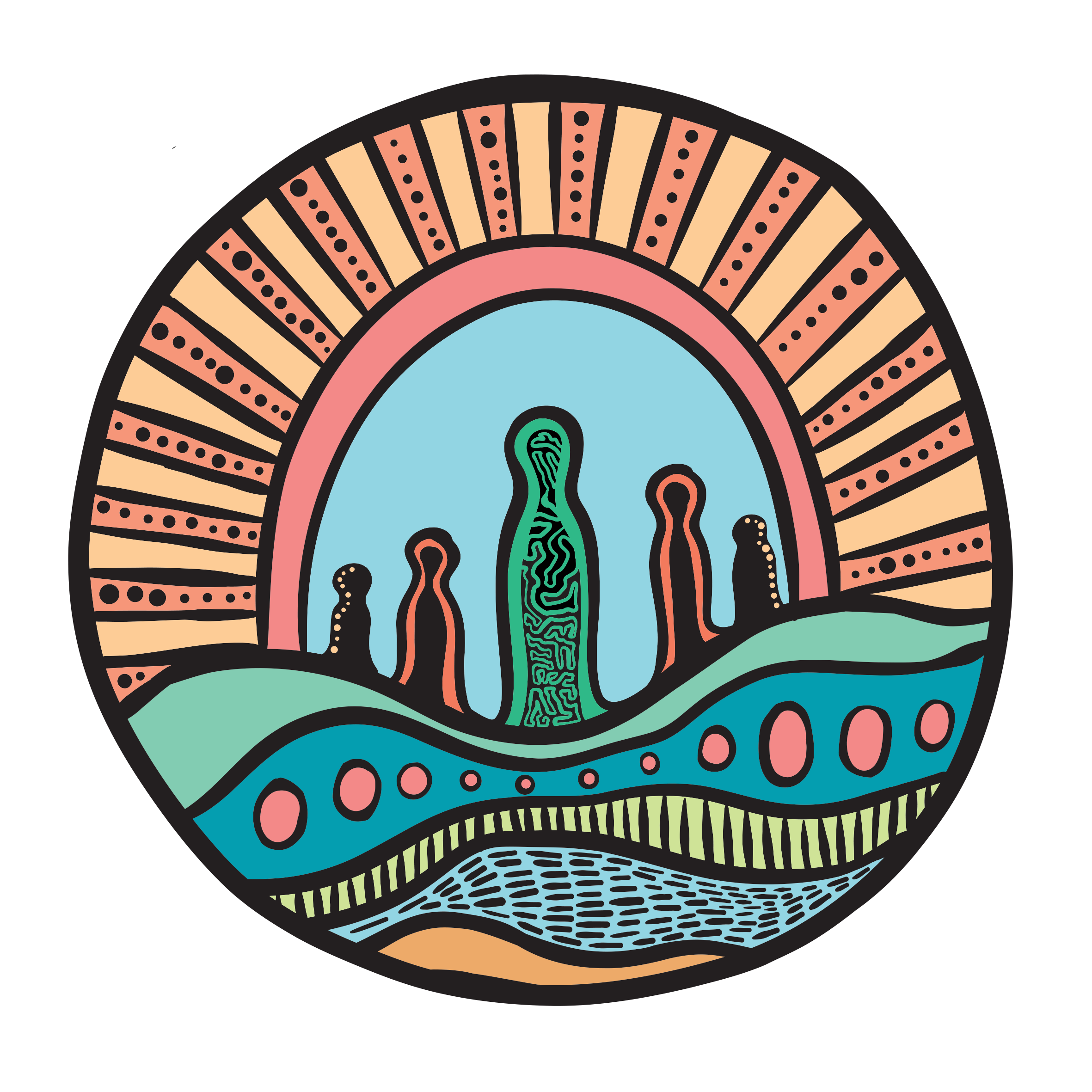
This artwork was commissioned from Yaegl artist by Frances Belle Parker, who explains:
"The healing process is vastly different for everyone. It is a pivotal part of our own recovery. This icon features five figures depicting a sense of community connectedness. They come together to help each other heal. The central figure is a symbol of calm, knowledge and healing. The remaining figures represent children as well as adults coming together to collaborate and learn from the Indigenous knowledge of healing. The ray of light represents the hope we experience following a disaster. The flowing pattern below the figures captures a sense of momentum as well as the movement within the journey of healing. "
History
The Disaster, Climate and Adversity Unit is an evolution of the Child and Community Wellbeing Unit and formerly the Jack Brockhoff Child Health and Wellbeing Program.
Over time, shifting health and social issues have meant our research focus has evolved to address emerging public health priorities. What hasn’t changed is our commitment to providing high quality evidence-based research and evaluation, characterised by our strong practice-research partnerships across many sectors and organisations. Our focus on child health and wellbeing continues to be a feature within each of our streams of research, alongside our research addressing adult experiences.
To read more about our history and previous projects, please see the Child and Community Wellbeing Unit website.

Featured content
-
Beyond Disasters
Beginning with the Beyond Bushfires study of long-term community recovery after the 2009 Victorian Black Saturday bushfires, this body of work has since expanded to include many projects across various streams of disaster resilience and recovery research.
-
Climate CATCH Lab
Accelerating the University of Melbourne's climate change and human health research, engagement and education for enhanced impact
-
Listening Lab
Focusing on the experiences of young people and families dealing with adversity.
Directors
- Professor Lisa Gibbs
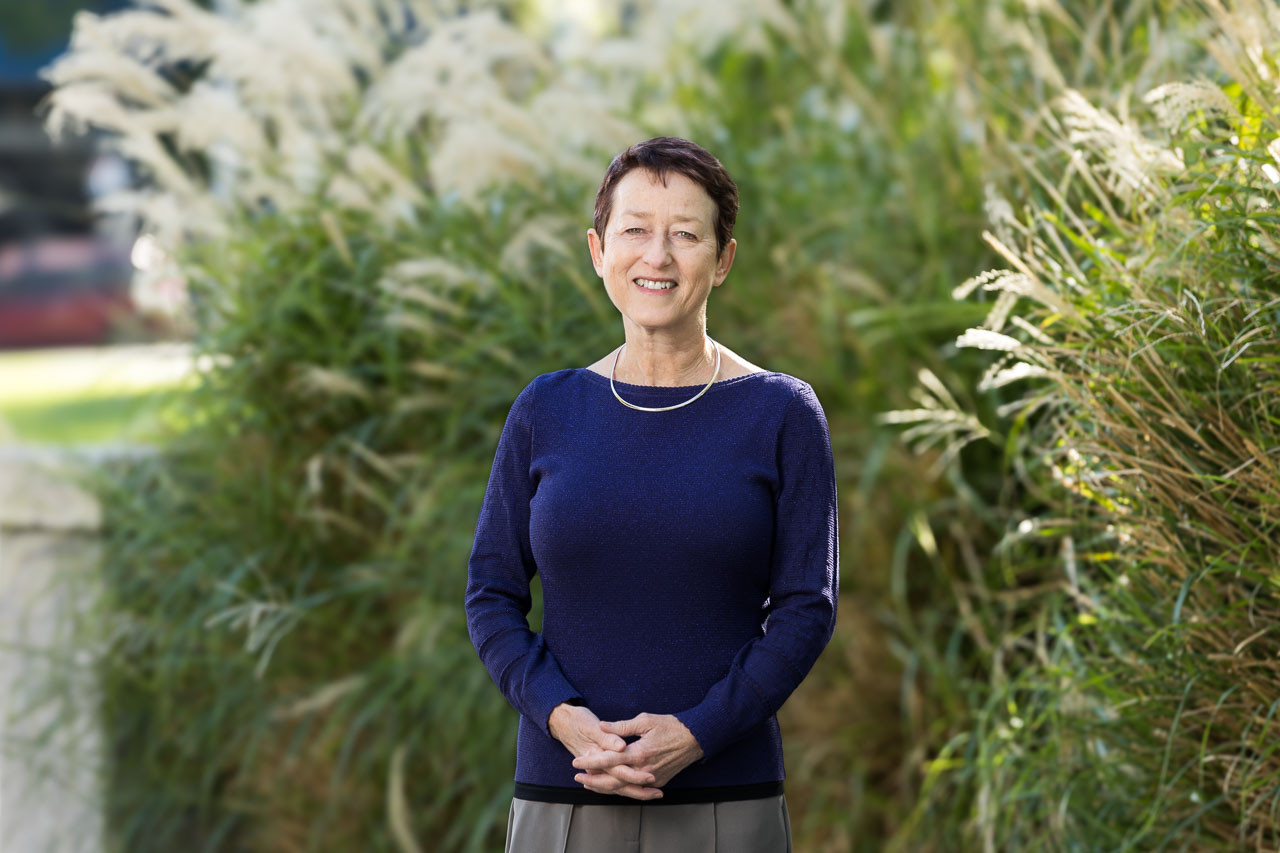
Director
- Professor Eva Alisic
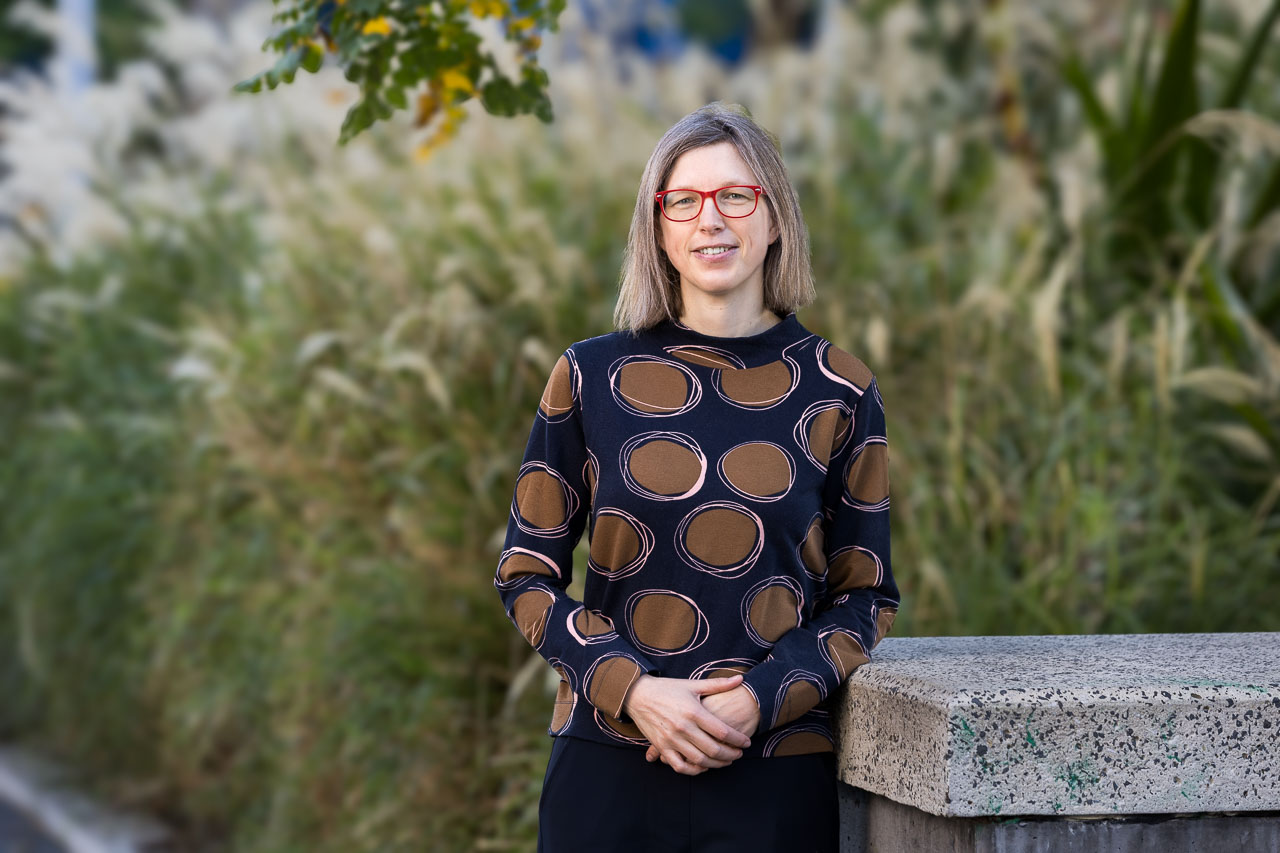
Associate Director
- Professor Kathryn Bowen
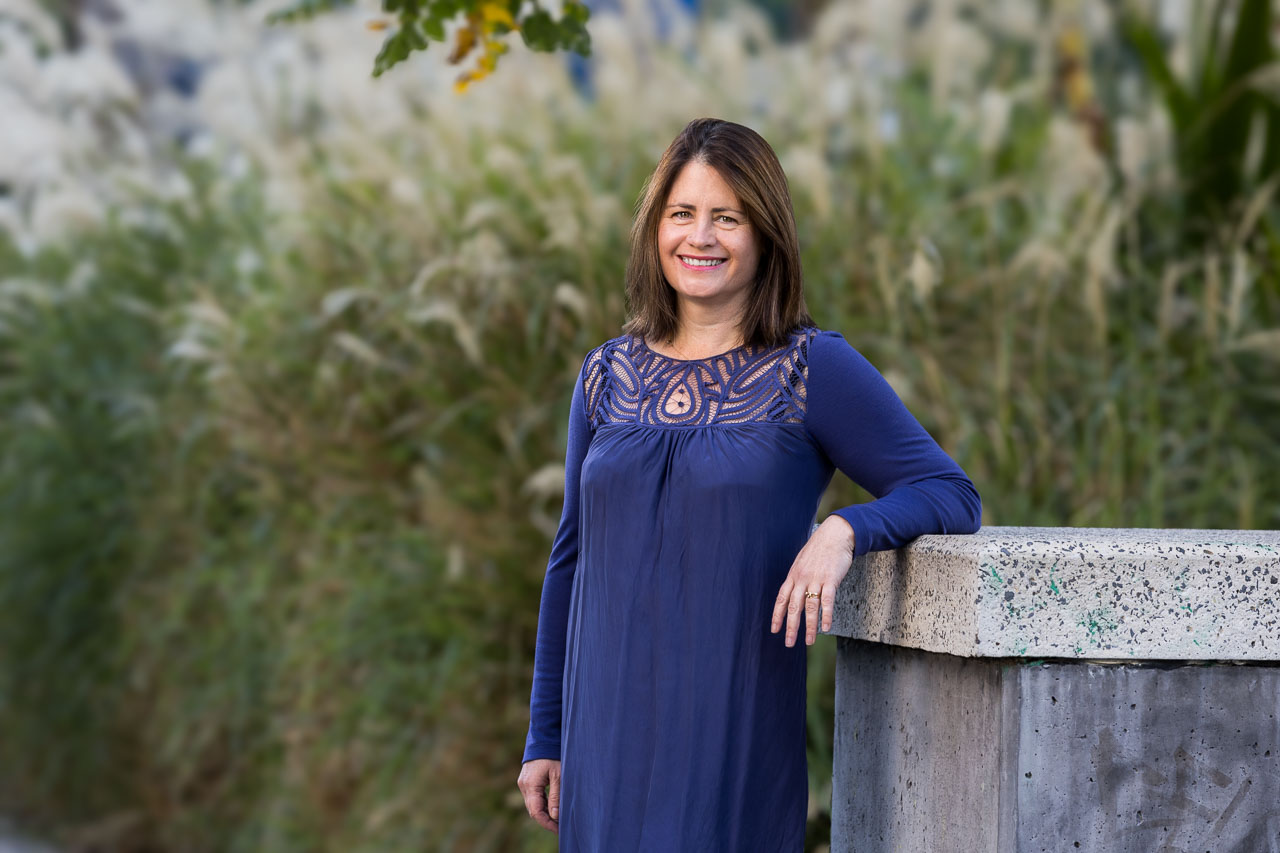
Professor and Deputy Director Melbourne Climate Futures
Staff
- Nathaniel Barker

Research Fellow
- Oliver Eastwood
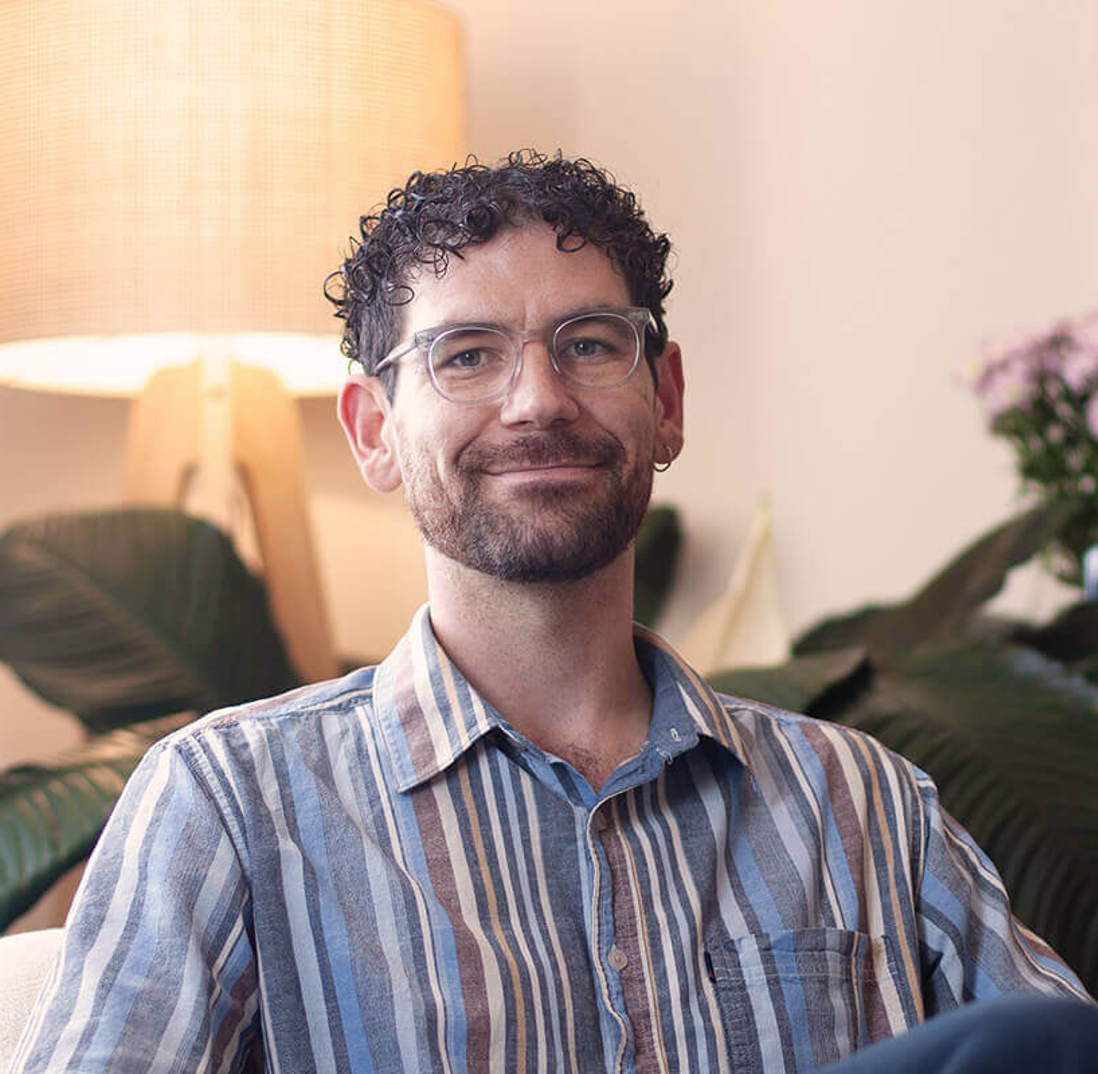
Research Fellow
- Dr Colin Gallagher

Research Fellow
- April Harrison

Research Assistant
- Jonathan Janua

Research Assistant
- Kathryn Joy
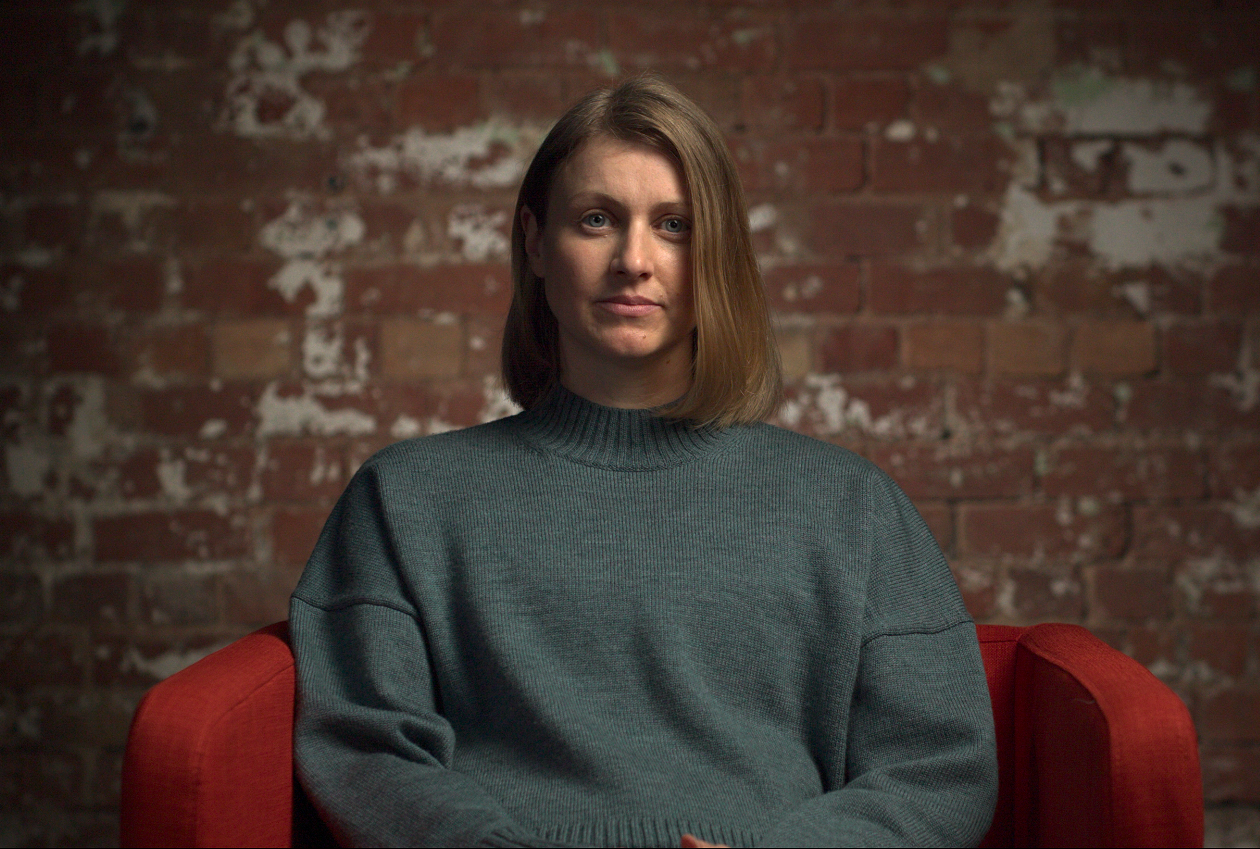
Research Assistant
- Kristine Jover
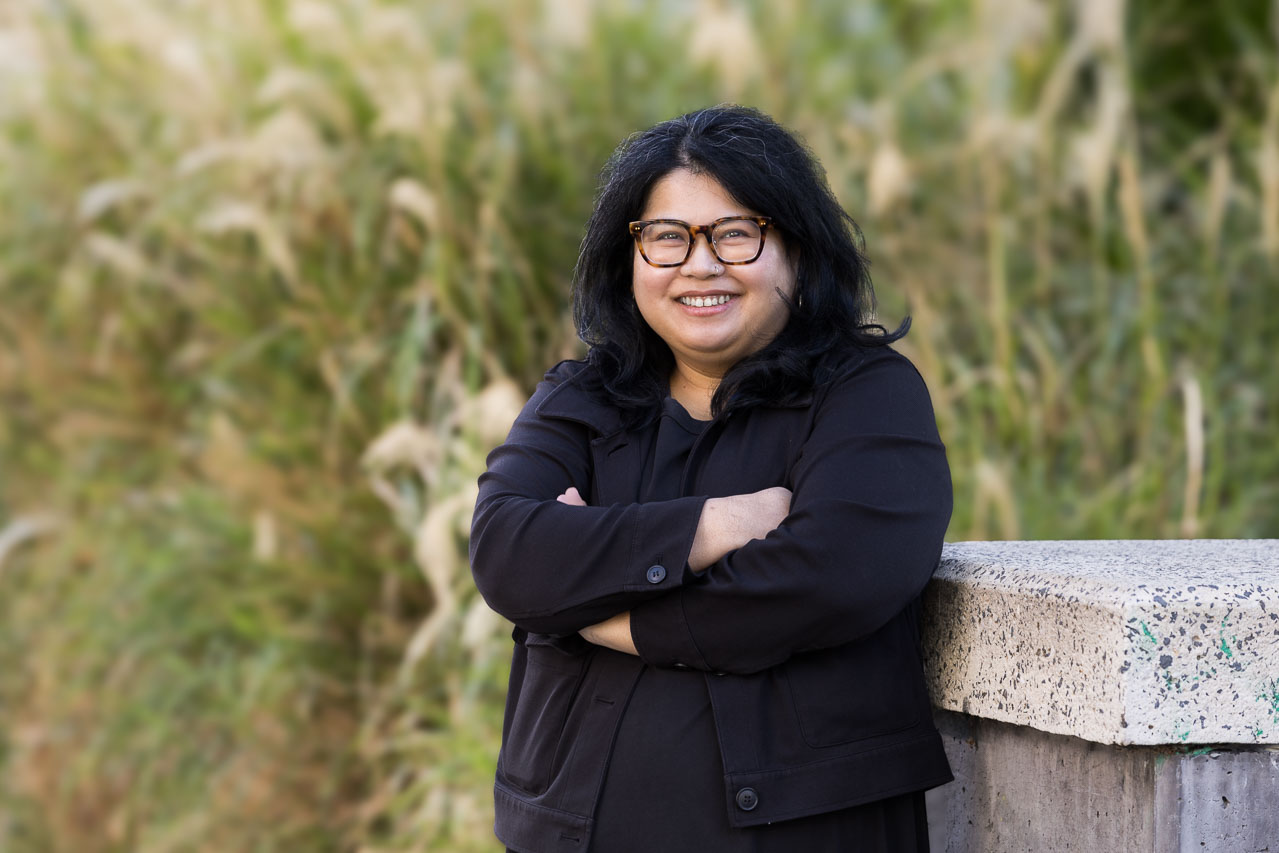
Administration and Project Officer
- Dr Claire Leppold
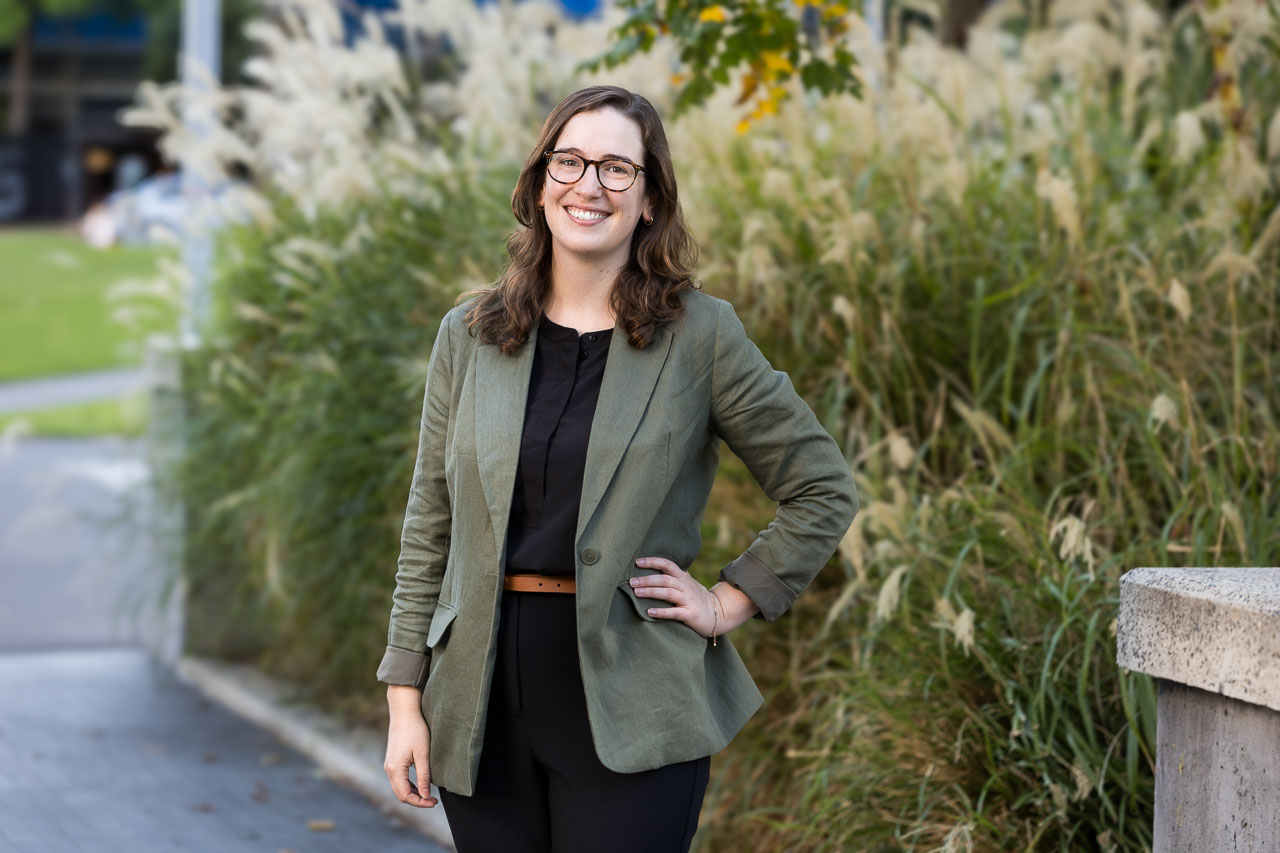
Research Fellow
- Dr Katitza Marinkovic

Research Fellow
- Sarah Medcalf

Research Fellow
- Robyn Molyneaux

Research Fellow
- Elise Moo
Research Fellow
- Hannah Morrice
Research Fellow
- Sam Netherclift
Research Assistant
- Sunny Nguyen
Research Assistant
- Dr Rebecca Patrick
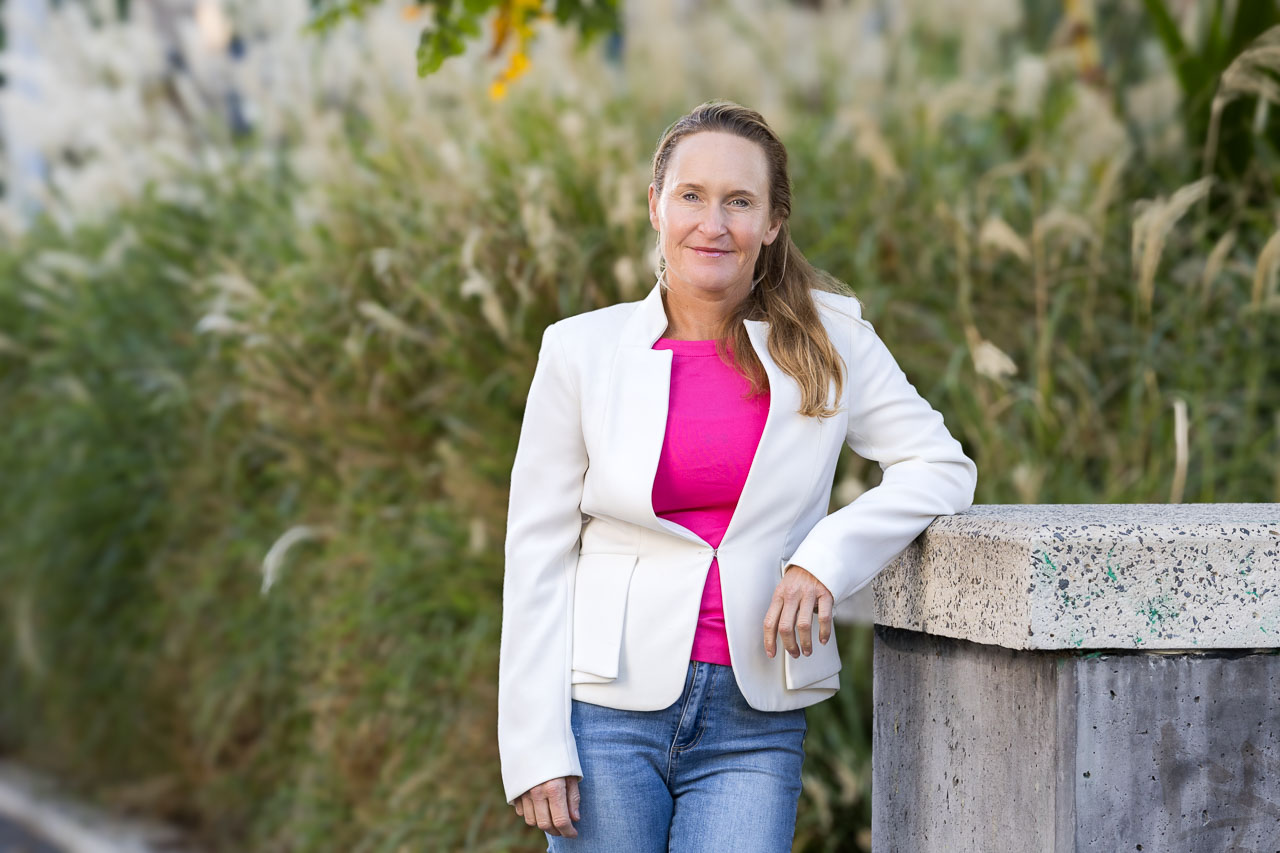
Senior Research Fellow
- Alana Pirrone
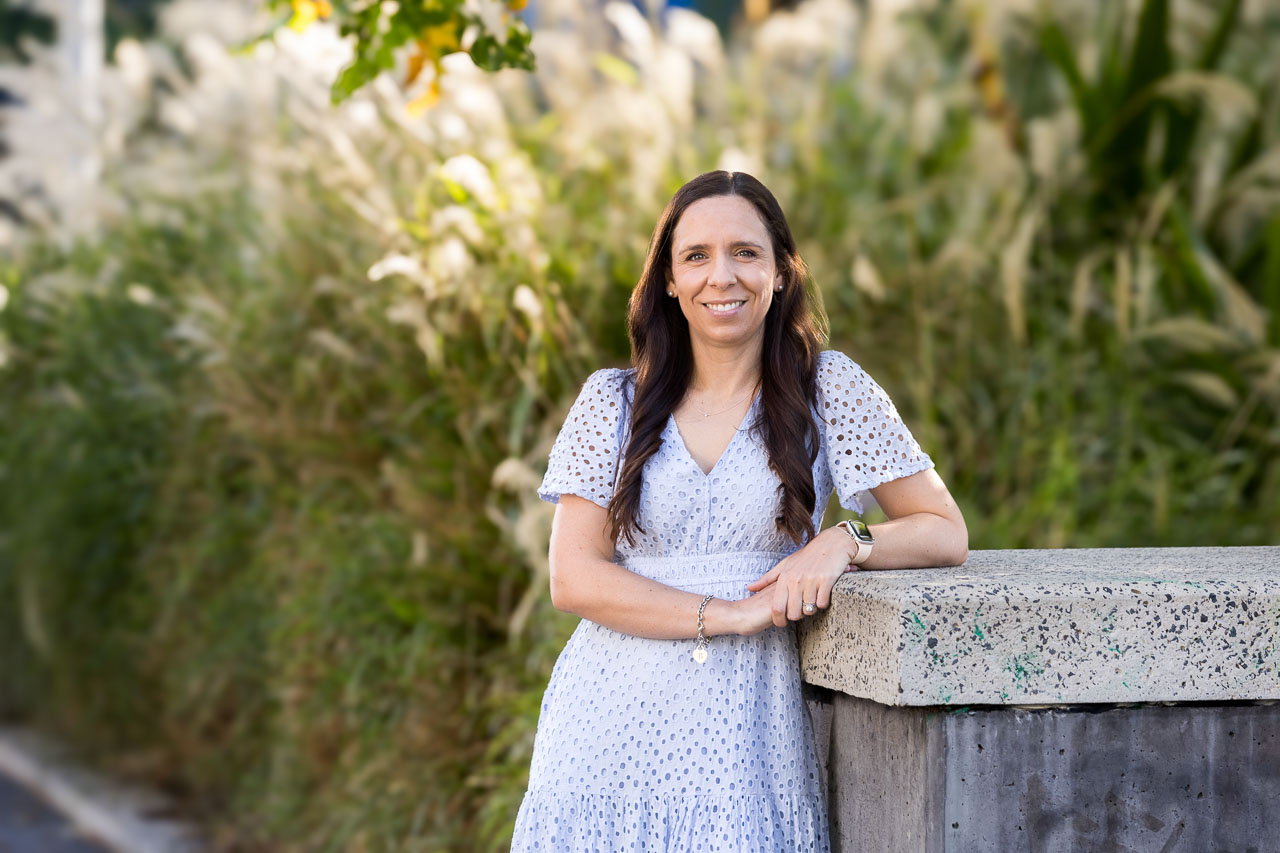
Design and Communications Coordinator
Design and Data Visualisation Consultant
- Phoebe Quinn
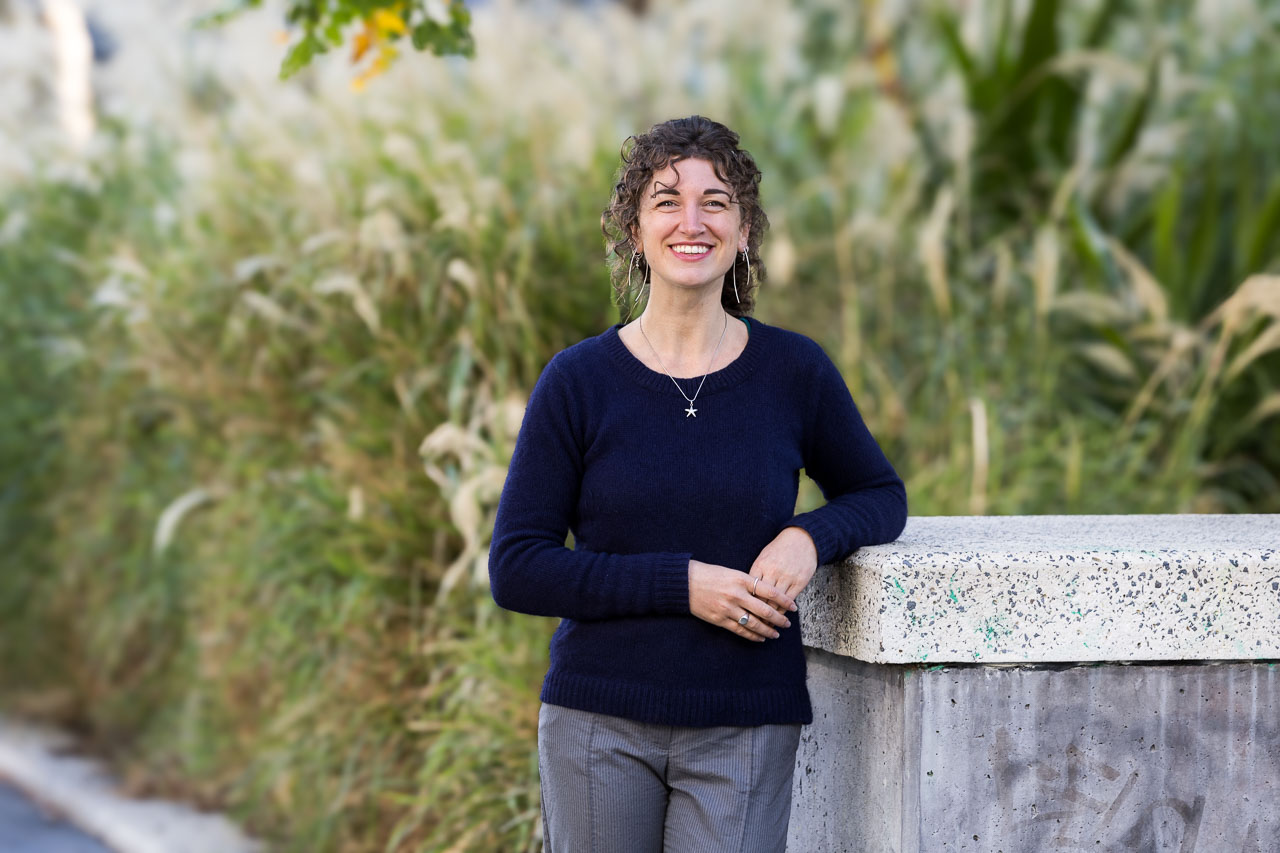
Research Fellow
- Ashwini Sakthiakumaran
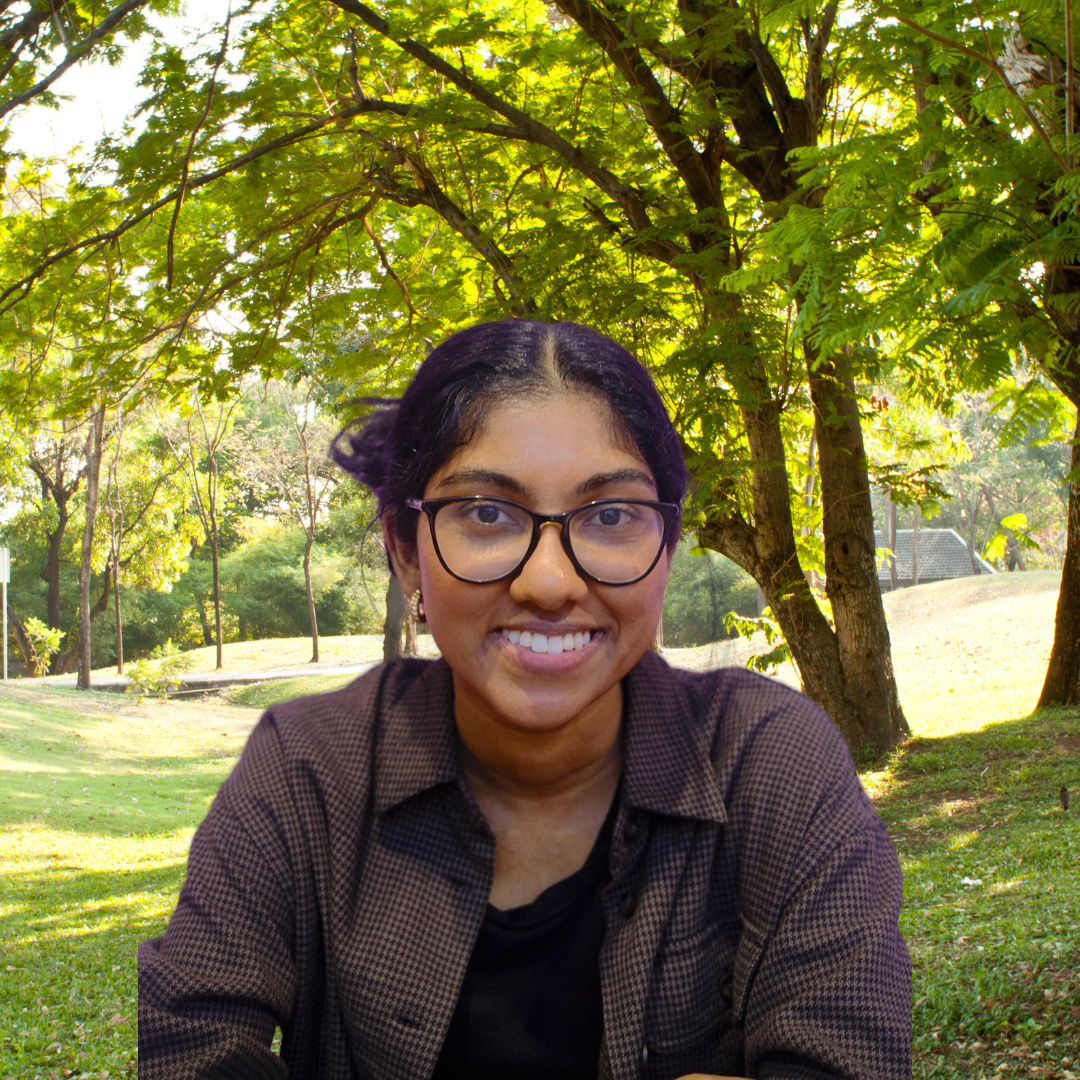
Research Assistant
- Urvi Thanekar
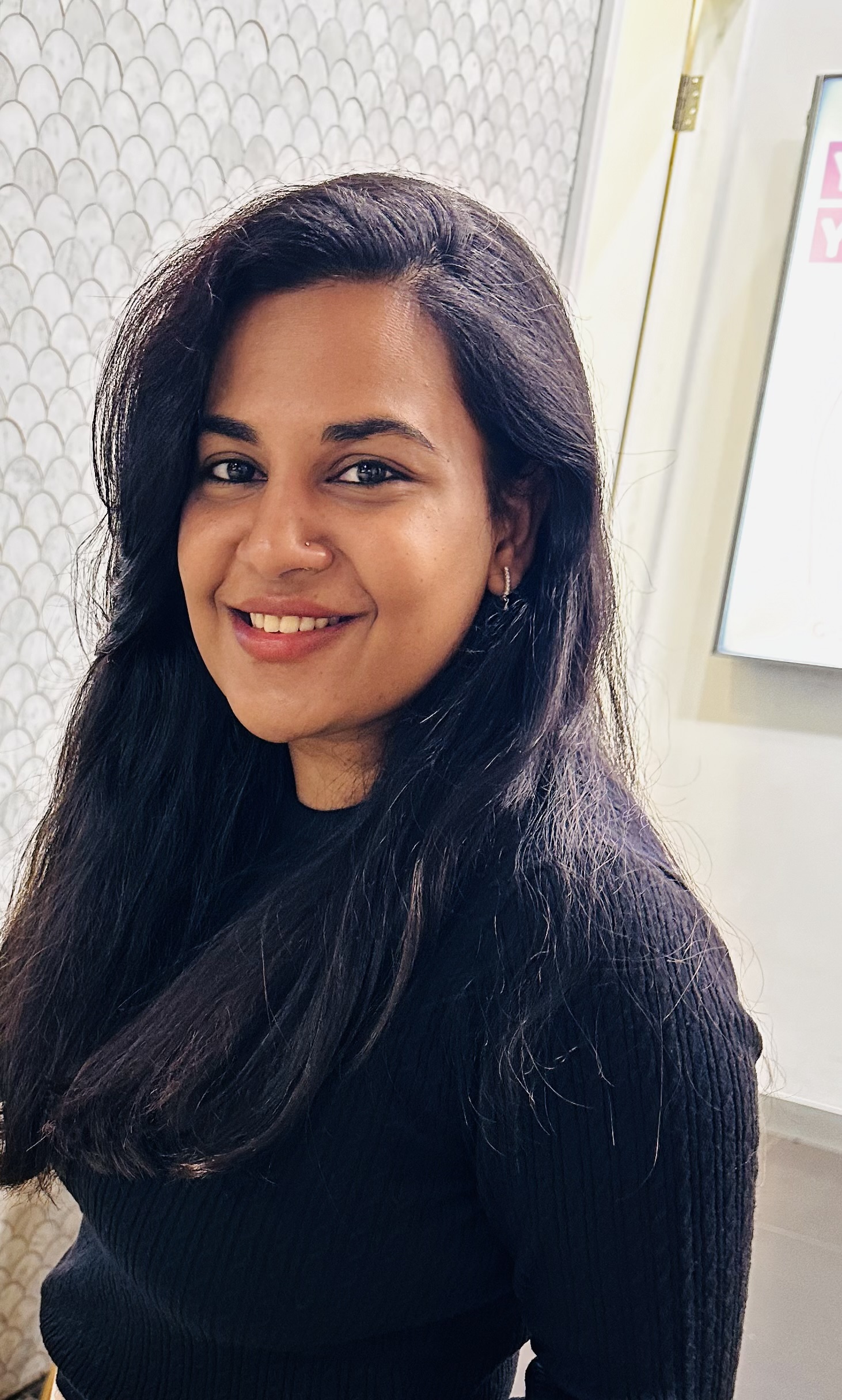
Research Assistant
- Belle Workman
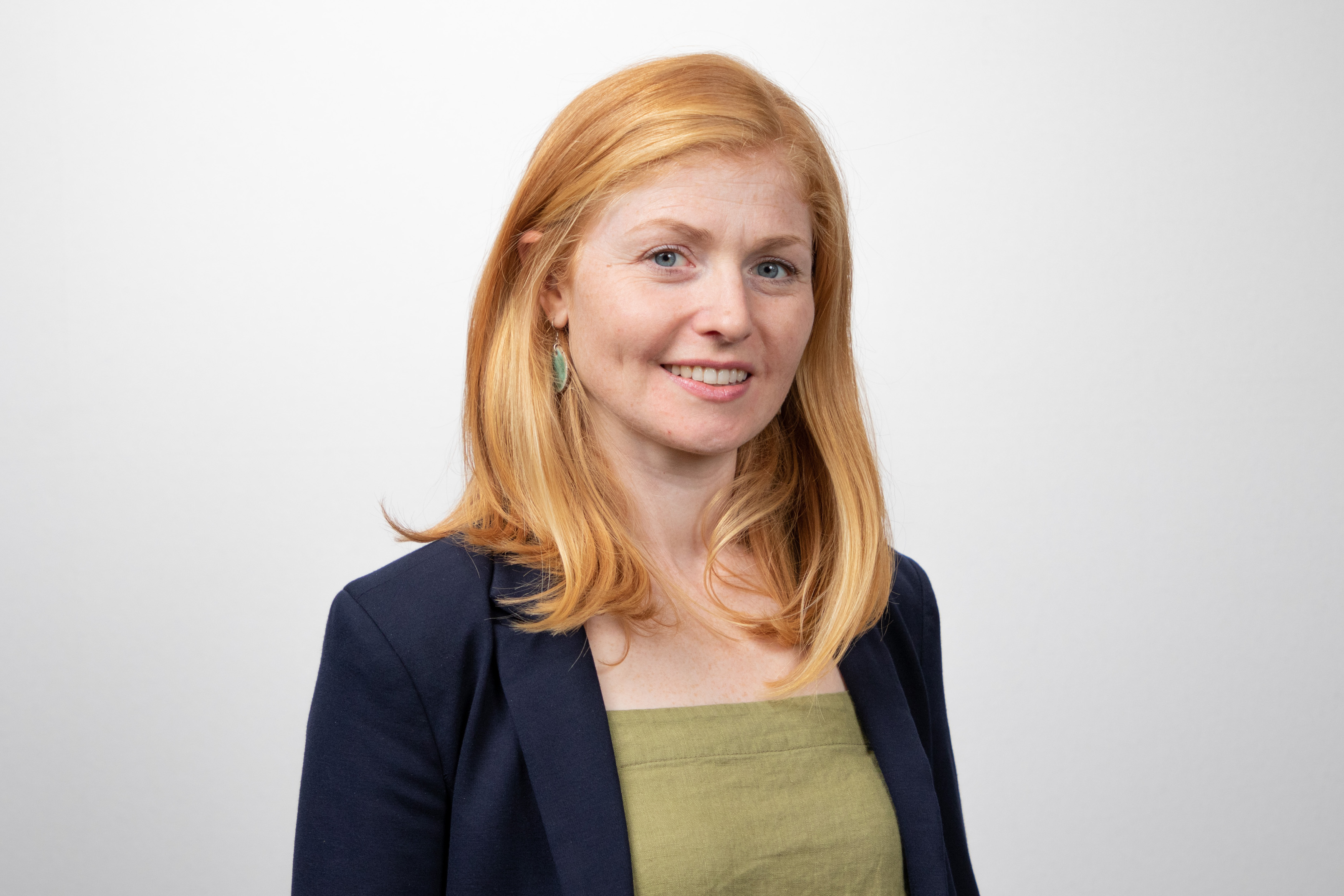
Research Fellow
Visiting Fellows
- Professor Junko Otani
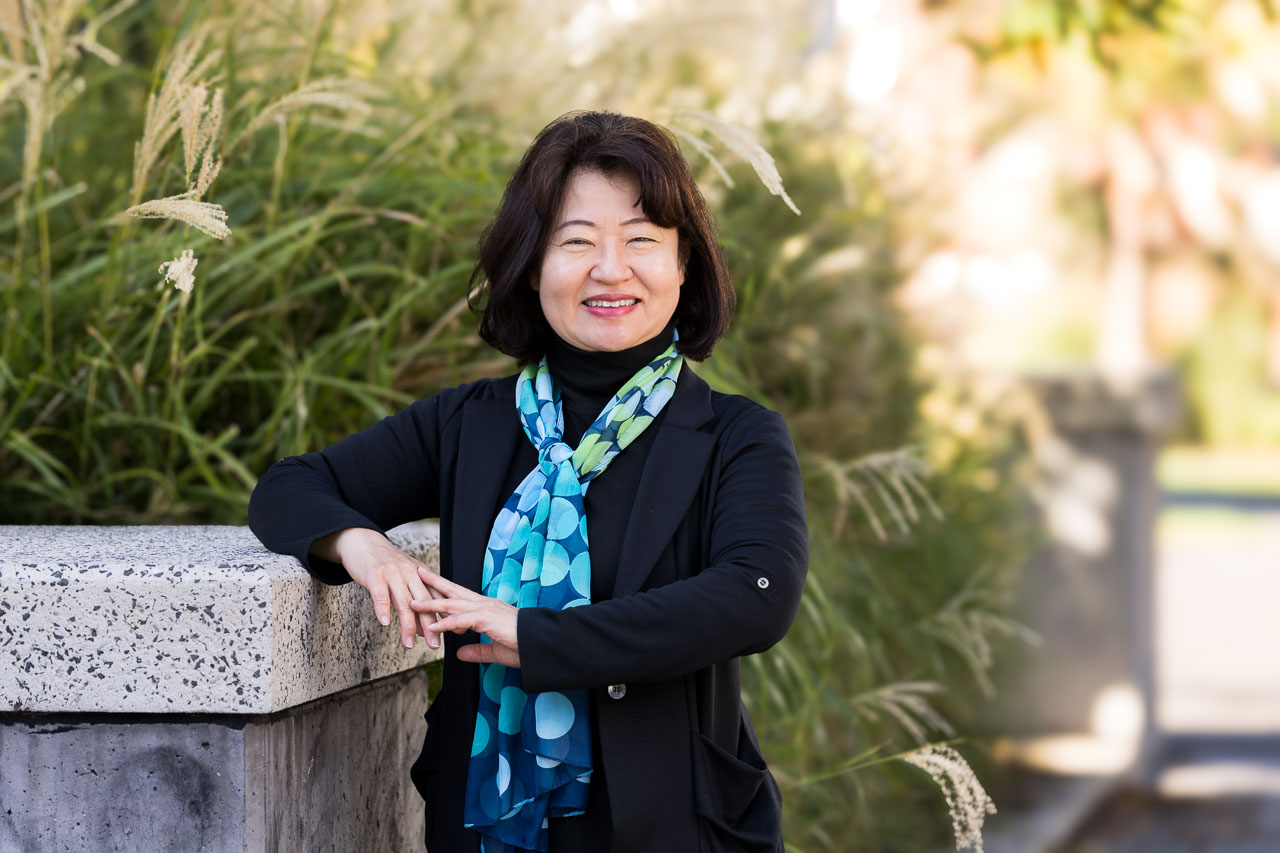
- Dr Smritima Diksha Lama
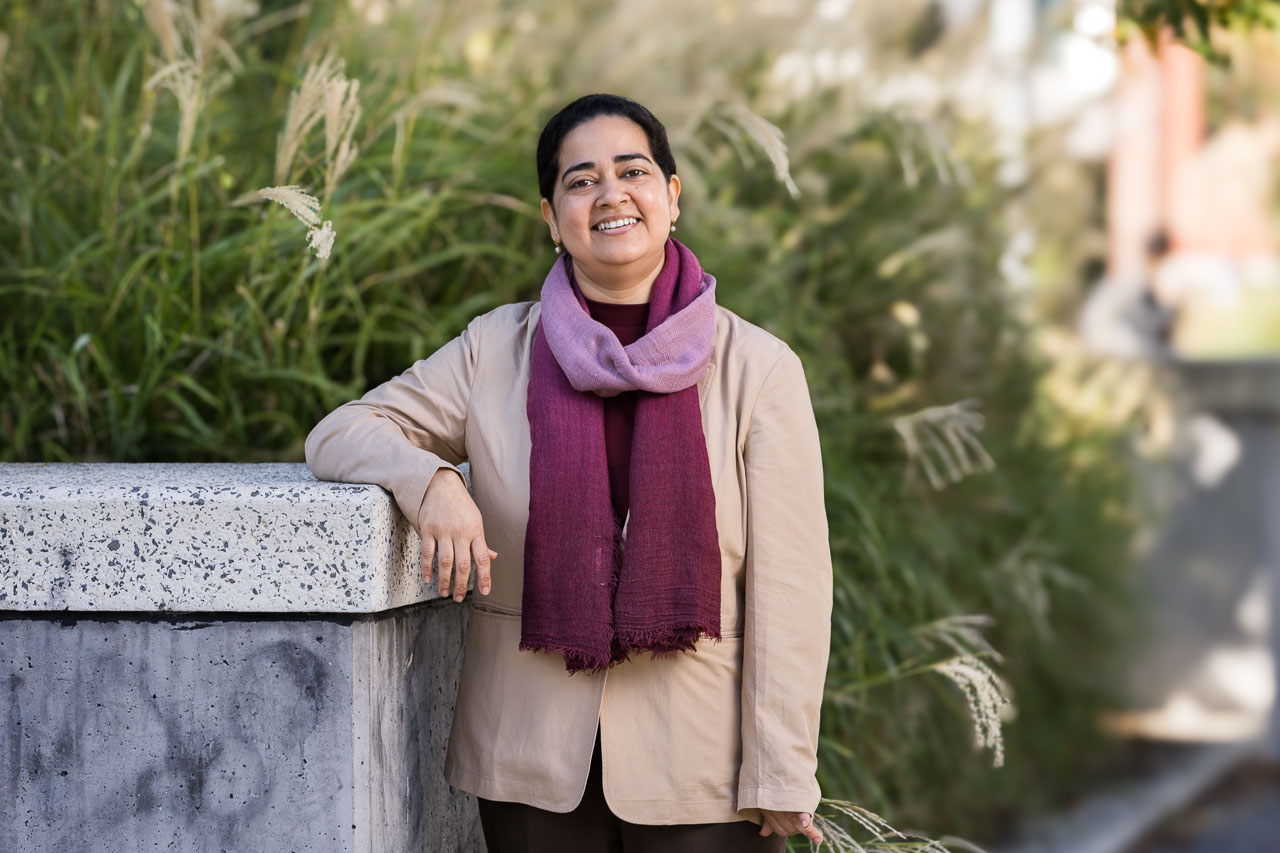
PhD Students
Meg Chin
When a child dies from a life-threatening condition: Hearing the voices of bereaved siblings (2017-2025)
Supervisors: Prof Louise Harms, Prof Lisa Gibbs
Jonathan Januar
Missing data mechanisms in covert networks (2021-2025). Supervisors: Dr Johan Koskinen, Dr Colin Gallagher, Prof Yoshi Kashima.
Adelle Mansour
Creating climate-resilient and healthy housing: what is the role of citizen science? (2023-2026)
Supervisors: Prof Rebecca Bentley, Prof Kathryn Bowen, Dr Samantha Rowbotham.
Anna Kennedy-Borissow
Creativity, recovery, and resilience: How the arts contribute to psychosocial recovery and resilience in disaster-affected communities (2022-2025).
Supervisors: Dr Caitlin Vincent, Dr Guy Morrow, Dr Claire Leppold and Dr Kate Brady.
Dominica Meade
Gender, volunteering and disasters (2023-2026).
Supervisors: Dr Brendan Churchill, Professor Jo Barraket, Dr Claire Leppold.
Nabreesa Murphy
Young people’s sexual and reproductive health and rights in the Pacific in times of climate change-related disasters (2021-2024) Supervisors: A/Prof Meghan Bohren, A/Prof Peter Azzopardi, Prof Kathryn Bowen.
Shanti Narayanasamy
Identifying critical knowledge gaps in our understanding of structural barriers to health in Victoria through community perspectives during the COVID-19 pandemic to change future practice (2023-2026).
Supervisors: Professor Margaret Hellard, Professor Lisa Gibbs, Assoc Prof Alisa Pedrana, Assoc Prof Katherine Gibney
Phoebe Quinn
Crowdsourcing consensus for climate and disaster resilience: An exploration of the use of civic technology for agenda-setting at scale (2022-2025).
Supervisors: Prof Lisa Gibbs, Prof Kathryn Bowen, Prof Nicole Curato.
Sophie Robinson
Governance to enable Climate Resilient Development of Healthcare systems (2021-2024).
Supervisors: Kathryn Bowen; Michele Barnes; Glenn Hoetker.
Alex Tanfield
The impact on and changing nature of social capital in response to multiple disasters (2023-2026)
Supervisors: Professor Jacki Schirmer, Professor Lisa Gibbs Enrolled through University of Canberra.
Supported by Department of Education Research Training Program stipend and a scholarship from Natural Hazards Research Australia.
Dana Young
Sports participation and social capital development for migrant women and adolescent girls (2018-2025).
Supervisors: A/Prof Karen Block, Prof Lisa Gibbs. National Health and Medical Research Council Postgraduate Scholarship.
Honorary Staff
| Dr Rebecca Armstrong | National Disability Insurance Agency |
| Dr Kate Brady | UNSW |
| Andrew Coghlan | Australian Red Cross |
| Dr Ashrafalsadat Hosseini | Foundation House |
| Professor Colin MacDougall | Flinders University |
| Jane Nursey | Phoenix Australia |
| John Richardson | Australian Institute for Disaster Resilience |
| Elena Swift | Griffith University |
| David Younger | Clinical & Consultant Psychologist |
Featured content
-
Foundations in Disaster Recovery
This short course has been specifically designed for practitioners, volunteers and community members who are (or will be) working in post-disaster settings.
-
Design and Data Visualisation
Learn more about design and data visualisation for knowledge translation in this 1 day short course.
-
Disastrous Writing
Disastrous Writing is a 2-day event bringing together 50 practitioners and researchers together who all need some time to write.
We are very grateful for the funding received over the years from generous supporters, ensuring our program of research is able to have a positive and enduring impact on the health and wellbeing of those at risk from or impacted by disaster, climate and adversity.
It is only possible to conduct meaningful research if we have funding partners who share our vision to make a difference. If you would like to support our next steps please contact Professor Lisa Gibbs at +613 8344 0920 or lgibbs@unimelb.edu.au.