Sandra Sursock
Our aim is to develop and test conversational voice AI systems to assist the bowel cancer screening follow-up process.
Optimising the National Bowel Cancer Screening Follow-Up: Integrating Innovative Technology to Improve Cancer Outcomes
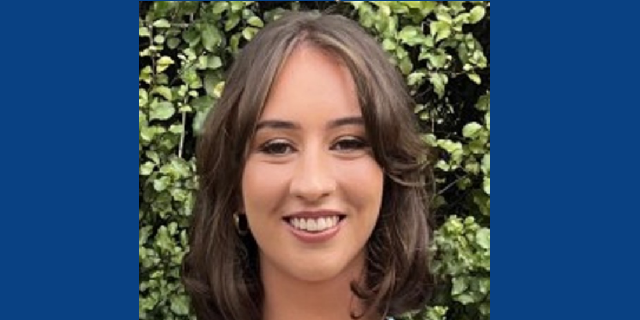
Sandra Sursock
Principal Supervisor: A/Professor Jennifer McIntosh
Co-Supervisors: Professor Mark Jenkins and Dr Sibel Saya
The National Bowel Cancer Screening Program (NBCSP) aims to reduce the incidence, mortality and morbidity of bowel cancer in Australia. The effectiveness of the NBCSP is dependent on the completion of appropriate and timely clinical follow-up of screening results. In the most recently published statistics for the NBCSP, 11,114 people who tested positive to the NBCSP kit did not follow-up with a diagnostic colonoscopy, allowing bowel cancers to progress undetected until they reach a more advanced stage when treatment may be less effective. This severely compromises the effectiveness of the NBCSP.
The Participant Follow Up Function (PFUF) has been established to increase follow-up through telephone calls. Leveraging technologies such as conversational voice artificial intelligence (AI) could provide personalised, timely reminders and information to individuals. By automating these tasks, PFUF staff can focus their time and expertise on ensuring this can maximise the impact of the NBCSP and ultimately save lives. We believe that digital technology can overcome barriers to people getting their recommended screening follow-up and reduce the time to getting a colonoscopy. Our aim is to develop and test conversational voice AI systems to assist the screening follow-up process.
Source of funding: Australian Government Research Training Program Scholarship and Australian Rotary Health top-up scholarship